2 DaysSolo Traveler6 Stops

Twin Falls area, Idaho

2-Day Itinerary for Solo Traveler

Canyon Edge Solitude: Two Winter Days Above the Snake River

Canyon Edge Solitude: Two Winter Days Above the Snake River

In winter, the Snake River Canyon empties of tourists and fills instead with cold light and the low rumble of falling water, leaving the rim to whoever's willing to bundle up. This is a trip for the solo traveler who wants big geology and small crowds — frost on the sagebrush, steam rising off Shoshone Falls, and long silences broken only by wind through the gorge.

At a Glance

Climate & Weather
Expect cold, dry high-desert winter air — daytime highs often in the 30s–40s°F, nights well below freezing. Wind off the canyon rim cuts sharper than the temperature suggests. Pack thermal layers, a windproof/waterproof outer shell, insulated waterproof boots for icy overlook paths, gloves, and a warm hat; sunglasses help against low winter glare off the canyon walls.
Getting Around
A car is essential — distances between overlooks and town are short but not walkable, and winter road conditions (occasional ice on canyon rim roads) call for cautious, unhurried driving. Rental car with good tires or all-wheel drive is worth the upgrade in December–February.
Budget
Budget roughly $70–100/day for a solo traveler, covering casual sit-down meals, a coffee or two, and any small park/parking fees — most canyon viewpoints are free to visit.
Safety
Solo travelers should stick to marked overlooks, especially at Perrine Bridge and canyon rim pullouts where ice and wind gusts are most dangerous in winter. Tell someone your rough plan for the day, keep a charged phone, and avoid unmarked rim edges — footing near basalt drop-offs gets treacherous when frosted or wet.
Connectivity
Cell coverage is reliable in downtown Twin Falls and at major overlooks like Perrine Bridge and Shoshone Falls, but can weaken at more remote pullouts along the canyon rim — download offline maps as backup.
Local Tips
Winter days are short, so front-load outdoor time between roughly 8am and 4pm before light fades fast; many restaurants keep to early closing hours (9–10pm) so don't plan a late dinner; and BASE jumping activity at Perrine Bridge is weather-dependent, so calm, clear mornings are your best bet for a sighting.

Highlights

  • Frost-rimmed overlooks with almost no one else on the trail
  • 212 feet of thundering whitewater against amber canyon walls
  • Watching for BASE jumpers off Perrine Bridge in still winter air
  • Golden hour light raking across basalt cliffs
  • Steakhouse and Mexican food that outperforms the town's size
  • Wide-open canyon rim walks with room to think

Day-by-Day Plan

Arrival & Orientation

Day 1: First Light on the Rim

A gentle, low-mileage day easing into the canyon's scale with two anchor stops and generous photography time, covering roughly 2 miles of walking total.

Wear
Thermal base layers, insulated waterproof boots, windproof jacket, gloves, warm hat, and sunglasses for glare off the canyon walls.
Budget
$60–85 (lunch, dinner, coffee, no entry fees)
8:30 AM - 9:15 AM
Perrine Bridge (BASE jumping viewing) · morning · 45 min · Canyon Rim & Gorge Viewpoints

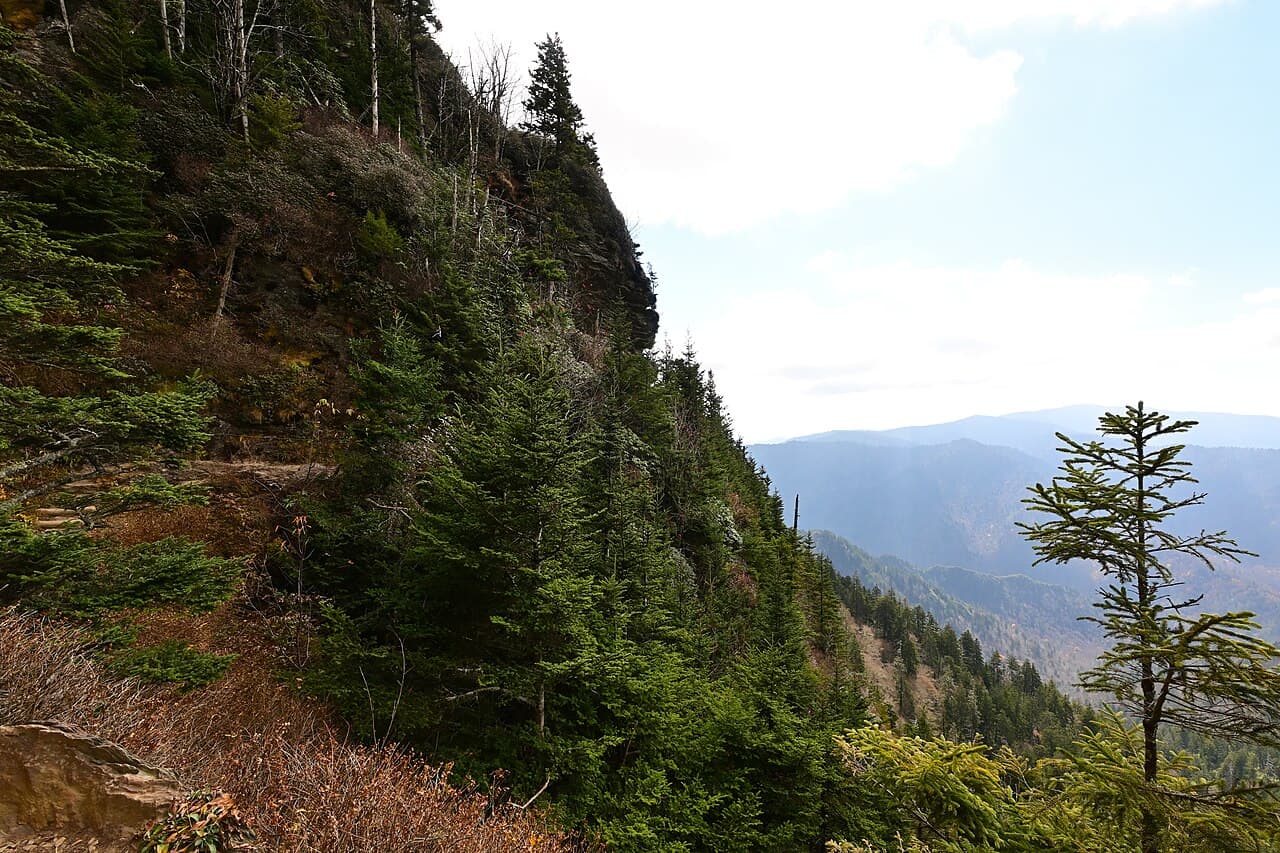
Arrive by 8:30am and the north overlook is likely yours alone — just wind funneling through the gorge and the orange-red rock face catching low winter sun. If conditions are calm, this is prime time for BASE jumpers to launch; watch for the sudden flutter of a parachute against the canyon walls. Even without jumpers, the sheer scale of the gorge from the bridge is a quiet gut-punch of a first stop.

Perrine Bridge (BASE jumping viewing)
United States. Bureau of Land Management / wikimedia (Public domain)
Shoot from the north parking area overlook for an unobstructed view of both canyon and any jumpers — soft morning light works well here, avoiding the harsher midday glare.
Terrain is uneven and unpaved in spots; benches are sparse, so plan for standing and careful footing, especially if icy.
8 min driveA short hop along the canyon rim road, with the gorge flashing into view through bare winter brush at every pullout.
9:30 AM - 11:00 AM
Snake River Canyon · midday · 90 min · Canyon Rim & Gorge Viewpoints

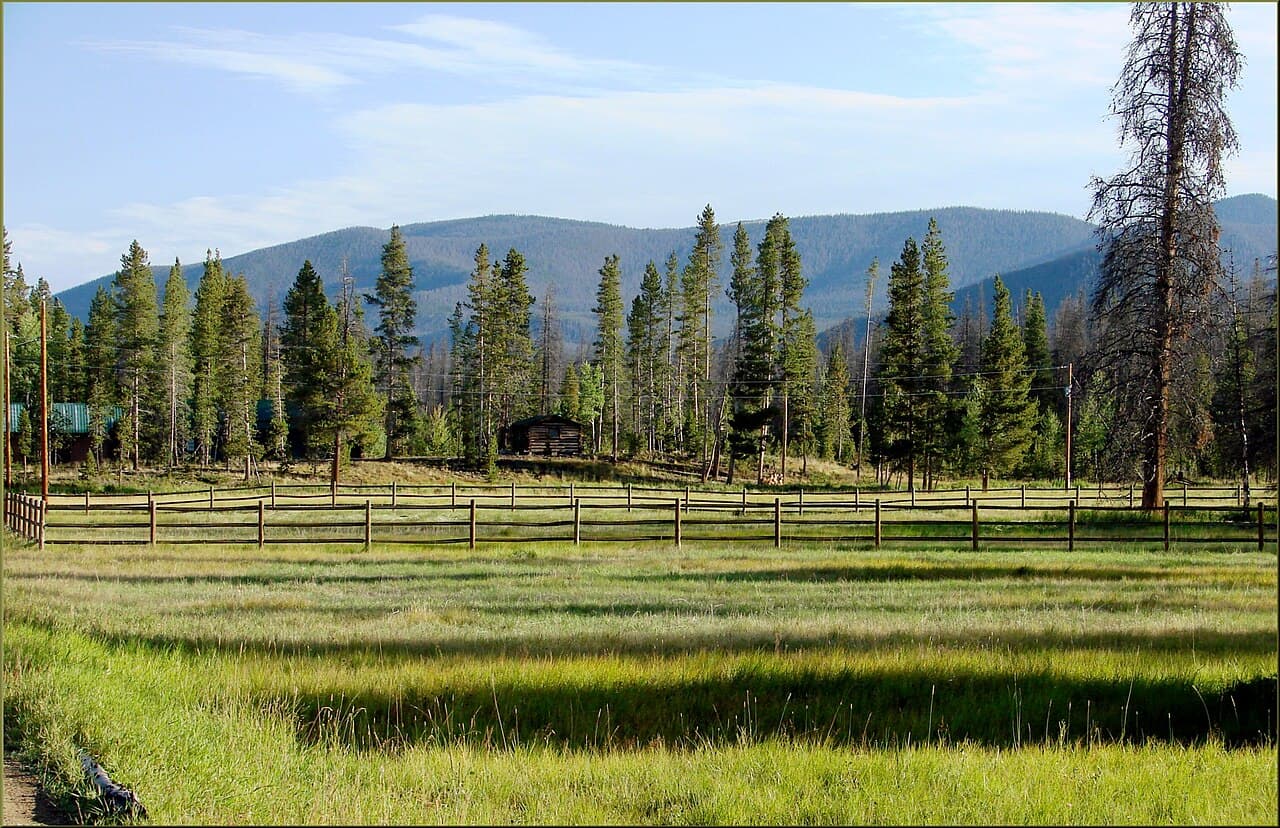
A short, scenic drive along the canyon rim road delivers you to a string of quiet pullouts where the Snake River is just a distant glint far below. Winter strips away the summer crowds entirely, leaving just sage, stone, and the wind's low roar rising from the depths. Solo travelers will appreciate the space to walk slowly along the rim and simply take in the scale without jostling for a view.

Snake River Canyon
Bureau of Land Management / wikimedia (Public domain)
Try the Hansen Bridge vista point or canyon rim pullouts around midday for clear, high-contrast shots of the gorge walls; return near sunset for warmer tones if time allows.
Uneven, unpaved terrain with sparse benches — good footwear is essential, particularly with potential icy patches in winter.
Optional detour: Milner Dam & Historic Hydroelectric SiteAfter Snake River Canyon and before dinner in town
A quieter, engineering-meets-nature stop with dramatic canyon-wall framing and low winter crowds — good for travelers who want a third stop without overloading the day. Skip if: Skip if daylight is already fading or if you'd rather ease into town at a relaxed pace on your first day; it's outdoors with limited shelter and best enjoyed unhurried.
If it rains: If snow or rain moves in, the canyon views remain dramatic but overlook surfaces get slippery — shift plans toward Shoshone Falls instead, where paved, benched paths handle wet weather better, or spend extra time exploring downtown Twin Falls' indoor shops and casual eateries.

The day opens slow and cold at Perrine Bridge, where the wind does most of the talking and the canyon reveals itself in one dramatic reveal. Arriving early means the overlook is nearly empty — just you, the gorge, and the chance of a BASE jumper catching the thermals.

From the bridge, a short drive along the rim road opens up the wider Snake River Canyon, where pullouts offer solitary, unhurried views of the river far below. This is the day's slower half — no rush, just walking the rim edge and letting the scale of the place settle in.

With winter light fading by late afternoon, head into town to warm up. Twin Falls' restaurant scene runs early and unpretentious, so plan dinner before 8–9pm; the town's steakhouses and Mexican spots are well suited to solo dining at a bar or communal table, ideal for easing into the trip's rhythm.

Waterfall & Golden Hour

Day 2: The Falls in Full Voice

The trip's most visually intense day, centered on Shoshone Falls with extended photography time, covering roughly 2–3 miles of walking at a relaxed pace.

Wear
Waterproof boots (mist and possible mud near the falls), thermal layers, windproof outer shell, gloves, and a hat — plus a lens cloth for camera mist.
Budget
$65–90 (lunch, dinner, coffee, no major entry fees)
15 min driveA short morning drive with the canyon rim road nearly empty — just frost on the sagebrush and the promise of the falls ahead.
8:00 AM - 10:30 AM
Shoshone Falls (Niagara of the West) · morning · 150 min · Canyon Rim & Gorge Viewpoints

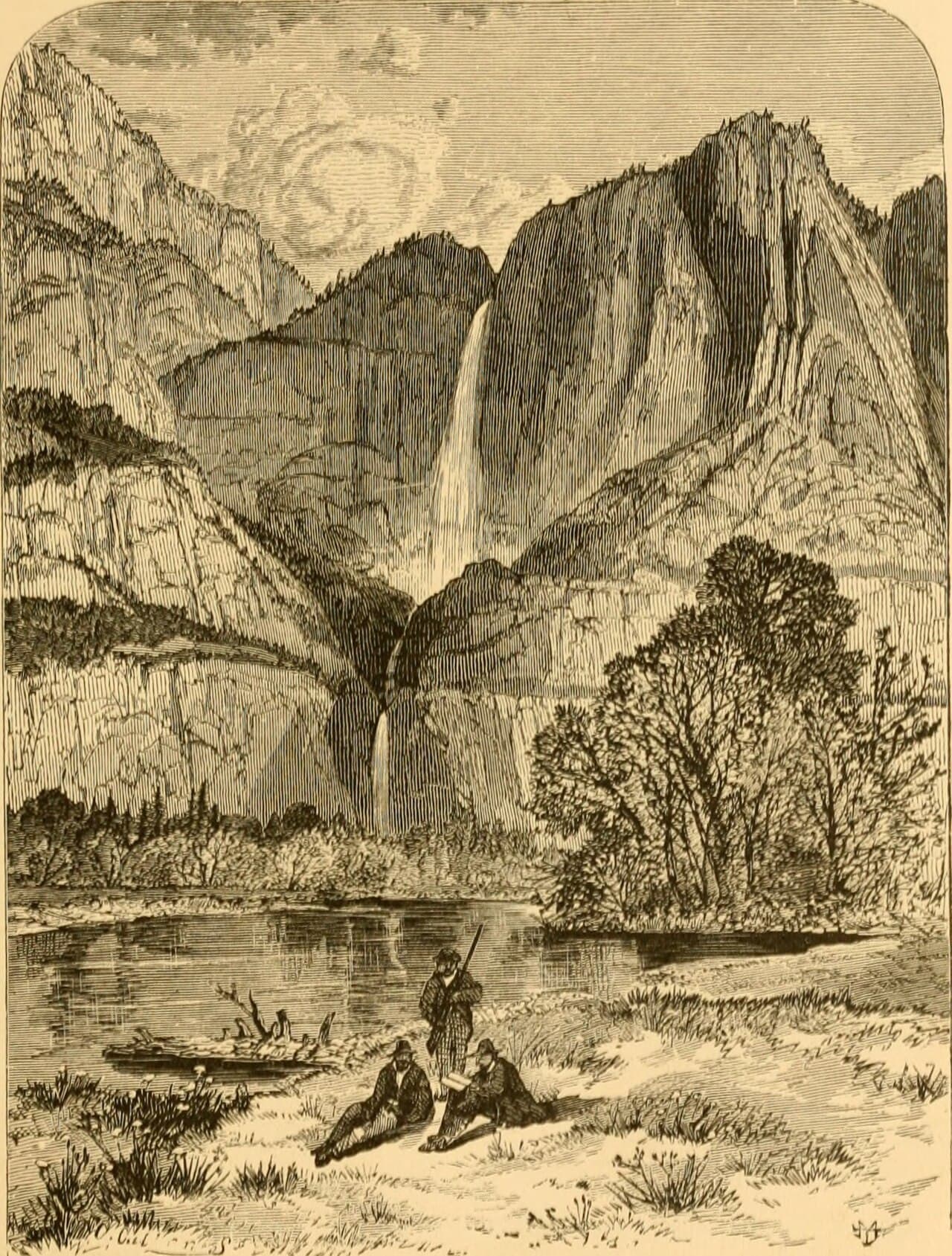
Arrive by 8am and you'll likely have the main overlook to yourself — a rare gift at Idaho's most powerful waterfall. The roar hits you before the view does; 212 feet of water crashing into the canyon sends cool mist drifting even in winter cold, and the basalt walls glow amber as the sun climbs. Solo travelers get the luxury of lingering here without competing for the rail — walk the east-side trail for a more intimate, quieter angle on the falls.

Shoshone Falls (Niagara of the West)
Internet Archive Book Images / wikimedia (No restrictions)
Shoot from the main canyon-rim overlook for the classic full-face shot in soft early light, then move to the base viewpoint near the Snake River for a water-level perspective with mist and spray.
Paths here are flat and wheelchair accessible with frequent benches, making this the most accessible major stop of the trip — though winter ice on paved areas warrants caution.
15 min driveA short backtrack toward the bridge as the light shifts from harsh midday to the long gold of late afternoon.
3:30 PM - 4:15 PM
Perrine Bridge (BASE jumping viewing) · afternoon · 45 min · Canyon Rim & Gorge Viewpoints

A return visit late in the day catches different light entirely — the east approach backlights any parachutes in gold, and low winter sun rakes across the canyon walls in a way morning light can't match. It's also a natural bookend to the trip, revisiting the bridge with a full day of canyon immersion behind you.

Perrine Bridge (BASE jumping viewing)
United States. Bureau of Land Management / wikimedia (Public domain)
Position on the east approach for backlit parachute silhouettes if jumpers are active, or simply for the warm late-afternoon glow on the rock face.
Uneven, unpaved terrain with sparse benches; footing requires care, especially as temperatures drop toward evening.
Optional detour: Milner Dam & Historic Hydroelectric SiteAfter Shoshone Falls and before the return visit to Perrine Bridge
Offers a change of pace from waterfall grandeur to engineering history, with dramatic dam-crest views and good late-afternoon light for photography. Skip if: Skip if you'd rather linger longer at Shoshone Falls or conserve energy and daylight for the golden-hour return to Perrine Bridge, since winter daylight is limited.
If it rains: If rain or snow rolls in, Shoshone Falls stays dramatic and even benefits photographically from added mist, though muddy paths call for sturdy footwear; skip the Perrine Bridge return visit if visibility drops, since rain discourages BASE jumpers and reduces canyon views — spend that time instead exploring downtown Twin Falls' shops and casual dining.

The day's centerpiece arrives early: Shoshone Falls at first light, when the roar of falling water and rising mist have the overlook almost entirely to themselves. Flat, accessible paths make this an easy morning to linger, wander the east-side trail, and just absorb the sheer physical force of the place.

After a slower midday, the afternoon loops back toward Perrine Bridge to catch the light differently than the first day — long shadows, warm tones, and a last chance to watch for BASE jumpers riding the day's final thermals.

As winter dusk settles fast, head back into town for an early dinner — Twin Falls' kitchens wind down by 9 or 10pm, so don't wait too long. A bar seat or communal table at a local steakhouse or Mexican spot makes for easy, low-pressure solo dining and a fitting close to two days spent at the edge of the canyon.

Want to tweak this trip?

Our AI planner can customize this itinerary to your exact dates, interests, and travel style.

Customize This Itinerary
Good to Know

Restaurant details (hours, menus, availability) change frequently. Check current hours before visiting, especially in seasonal destinations.

Dietary compatibility tags are general guidance. If you have severe allergies, confirm directly with the restaurant.

Travel tips are general guidance, not professional safety advice. Check government advisories for latest information.

All prices are approximate and may vary seasonally.

We use cookies to improve your experience and analyze site usage. Essential cookies are always active. You can customize your preferences or accept all cookies. Cookie Policy