3 DaysActive Retirees6 Stops

Twin Falls area, Idaho

3-Day Itinerary for Active Retirees

β€œCanyon Light & Thundering Water: 3 Days Above the Snake River”
Canyon Light & Thundering Water: 3 Days Above the Snake River

The Snake River Canyon opens beneath Twin Falls like a secret the desert has been keeping β€” sheer basalt walls, a thundering waterfall taller than Niagara, and wide silence broken only by wind and water. This is a place built for slow mornings, long views, and benches placed exactly where you'd want to sit.

At a Glance

Climate & Weather
Summer in Twin Falls is warm to hot and dry, with daytime highs often in the 85–95Β°F range and intense high-desert sun; mornings are cool and pleasant, and canyon breezes can turn brisk by late afternoon. Pack breathable layers, a wide-brim hat, sunscreen, and a light windbreaker for rim overlooks.
Getting Around
A car is essential β€” attractions are spread along canyon rim roads a short drive from downtown, and there is no public transit system to speak of. Roads are wide, well-maintained, and gently graded, making self-driving comfortable for this demographic.
Budget
Budget roughly $70–$110 per person per day for food and activities, most attractions in this itinerary are free or low-cost, with spending concentrated on sit-down meals.
Safety
This is a low-risk destination for visitors, but canyon rim edges are largely unguarded β€” keep back from loose rock and be mindful of sudden wind gusts near Perrine Bridge and overlooks. Wear supportive, closed-toe shoes on gravel paths, stay hydrated in summer heat, and watch for rattlesnakes on warmer trail sections.
Connectivity
Cell coverage is reliable throughout downtown and most canyon overlooks, with occasional weak spots directly at the canyon floor. Most hotels offer free WiFi; there's no need for a local SIM for a short domestic visit.
Local Tips
Arrive at outdoor viewpoints before 8:30am in summer to beat both heat and crowds; restaurants here keep early-rising rural hours, so dinner reservations for 6–6:30pm avoid the evening rush; canyon wind picks up noticeably by mid-afternoon, so plan photography for morning or the last two hours of daylight.

Highlights

  • Standing at the rim as Shoshone Falls thunders 212 feet below
  • Watching BASE jumpers launch from Perrine Bridge in the cool morning air
  • Canyon-rim walks with frequent benches and near-flat paths
  • Historic Milner Dam framed by ancient basalt walls
  • Golden-hour light on the gorge from quiet overlooks
  • Unhurried, three-stop days built around rest and good food

Day-by-Day Plan

Arrival & Orientation

Day 1: First Light on the Rim

A gentle introduction to the canyon with one primary stop and plenty of rest, covering under 1.5 miles of flat, bench-lined walking.

Wear
Comfortable walking shoes, a sun hat, light layers, and a windbreaker for the bridge overlook.
Budget
$60–$90 per person
8:00 AM - 8:45 AM
Perrine Bridge (BASE jumping viewing) Β· morning Β· 45 min Β· Canyon Rim & Gorge Viewpoints

Arrive by 8am and the north overlook is nearly empty β€” just wind moving through the canyon and the orange-red rock face catching low morning light. This is prime time for spotting BASE jumpers, who favor the cool morning thermals; watch for the sudden flutter of a parachute catching the sun below the deck. Take it slow here β€” the gravel near the rim is uneven in places, so the bridge midspan and north parking overlook offer the steadiest footing.

Perrine Bridge (BASE jumping viewing)
United States. Bureau of Land Management / wikimedia (Public domain)
Shoot from the north parking overlook for unobstructed canyon views, or the east approach in late afternoon for backlit parachute silhouettes.
Bridge midspan and north overlook are the most level areas; the approach path has some uneven gravel, so a walking stick is helpful.
5 min drive β€” A short hop along the canyon rim road, with glimpses of the gorge opening up through the windshield.
9:00 AM - 10:30 AM
Snake River Canyon Β· midday Β· 90 min Β· Canyon Rim & Gorge Viewpoints

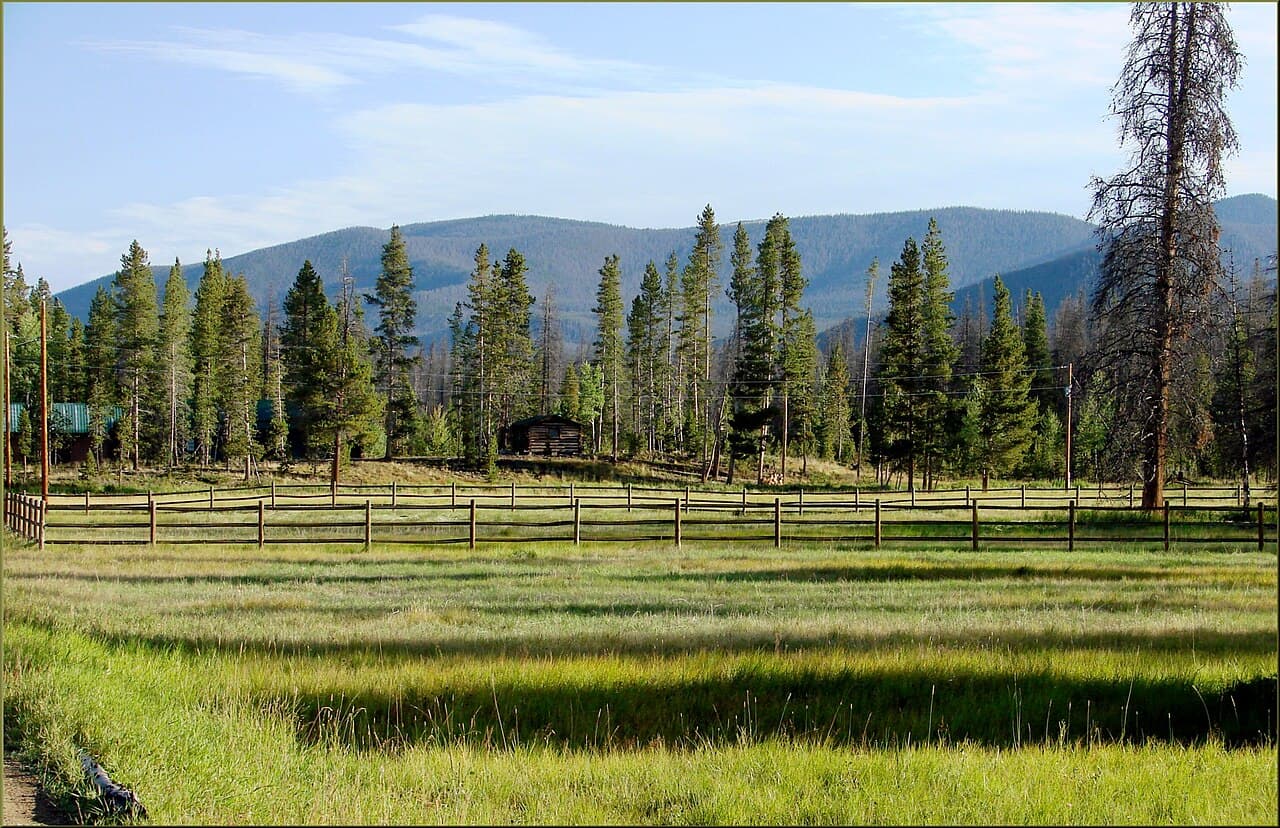
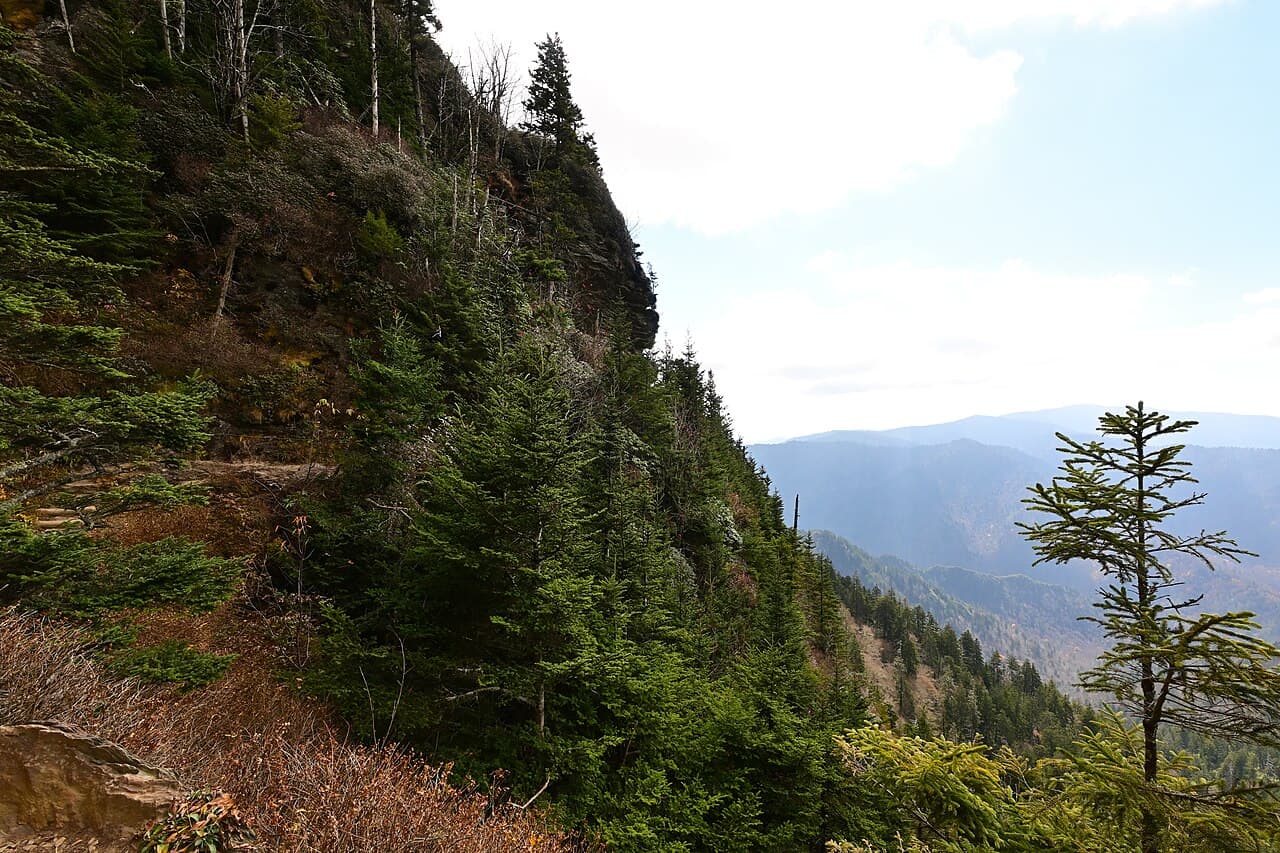
A short, easy walk along the canyon rim reveals the full scale of the gorge β€” sage and river stone scent the air, and the Snake River's distant roar rises from far below. Rim pullouts offer safe, sturdy viewing without needing to approach the unguarded edge, and this early hour keeps the crowds minimal and the light soft. This is a good stretch to simply sit at a pullout bench and take in the geological drama at an unhurried pace.

Snake River Canyon
Bureau of Land Management / wikimedia (Public domain)
Canyon rim pullouts along the rim drive offer the widest, most dramatic framing β€” best light is mid-morning before the sun climbs directly overhead.
Paths are unpaved and slightly uneven in spots; stick to marked pullouts, which offer the steadiest footing and closest parking.
Optional detour: Shoshone Falls (Niagara of the West) β€” After Snake River Canyon and before returning to lodging
If energy allows, the falls make a powerful capstone to a first day, with cool mist and thundering water offering a dramatic contrast to the quiet morning overlooks. Skip if: With only 2/5 fit for this demographic and moderate walking involved, it's worth saving for Day 2 when pacing allows a fuller, less rushed visit.
If it rains: Overcast or drizzly conditions actually enhance the misty drama at Shoshone Falls, though the Perrine Bridge overlook loses much of its appeal without visible jumpers β€” in rain, shift the day's focus toward the falls or simply extend rest time at the hotel before an early dinner.

The day begins gently at Perrine Bridge, arriving early enough that the canyon still feels hushed, wind moving through the gorge and the rock glowing amber in the low sun. There's no rush here β€” just time to watch for jumpers, feel the scale of the canyon, and settle into the trip's rhythm.

After a relaxed stretch along the Snake River Canyon rim, the afternoon is left open for rest β€” the desert sun climbs quickly in summer, and this demographic's pacing favors a quiet midday indoors before dinner rather than pushing into a third stop.

With no specific dining data available for this cluster, plan the evening meal in downtown Twin Falls, where the historic district offers a walkable concentration of restaurants suited to an easy, unhurried first dinner β€” a good chance to settle in before the more active days ahead.

Waterfalls & Geology

Day 2: Thunder and Stone

The itinerary's most visually dramatic day, centered on Shoshone Falls with an easy midday rest, covering roughly 1–1.5 miles of mostly flat, paved walking.

Wear
Sturdy walking shoes with good grip (mist can dampen paths), a hat, sunscreen, and a light jacket for the cooler canyon-floor air near the falls.
Budget
$60–$100 per person
7:30 AM - 9:30 AM
Shoshone Falls (Niagara of the West) Β· morning Β· 120 min Β· Canyon Rim & Gorge Viewpoints

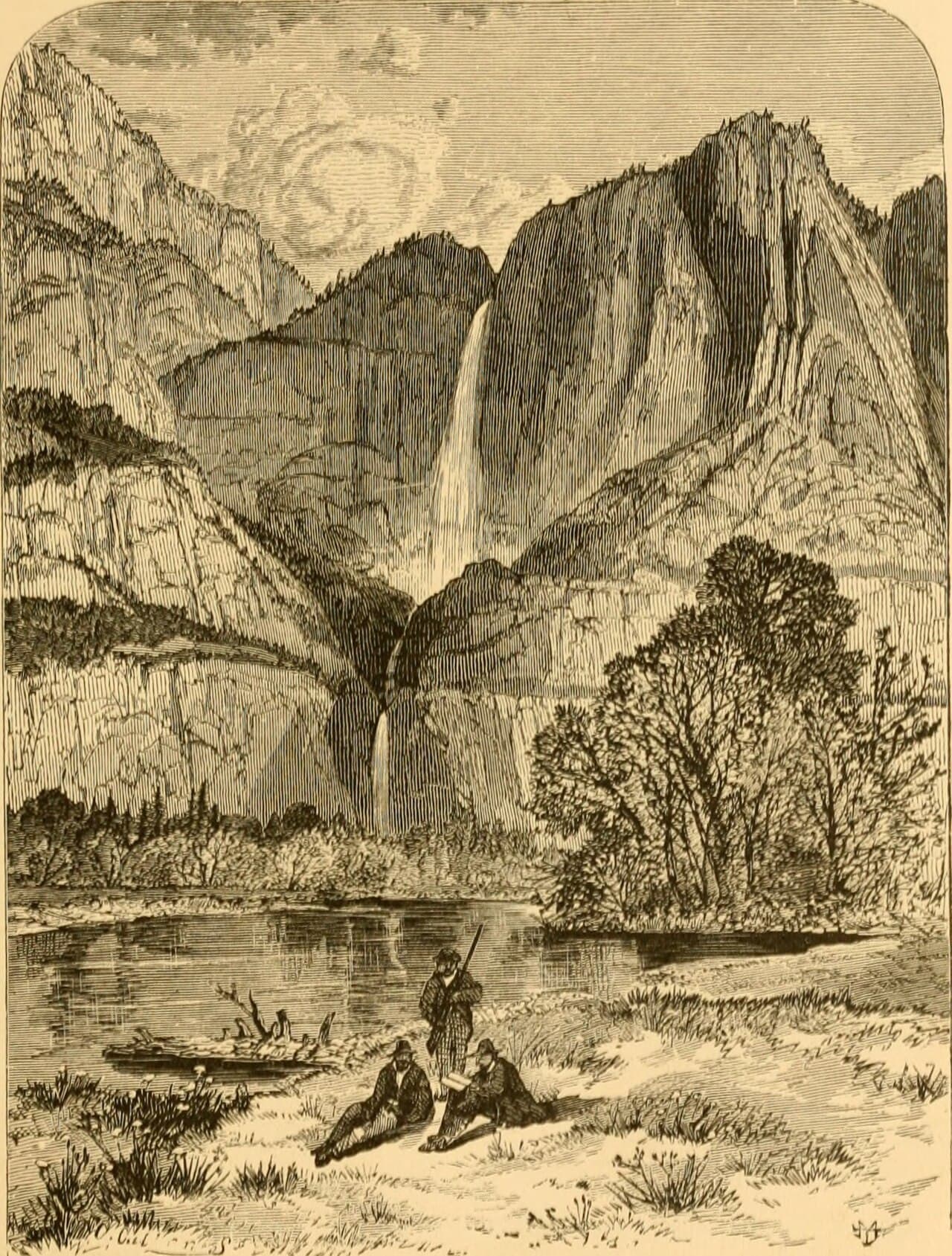
Arrive by 7:30am and the main overlook is nearly deserted β€” by 9am it fills quickly with summer visitors. The roar of 45,000 cubic feet of water per second fills the air before the falls even come into view, and cool mist drifts up from the canyon floor, a welcome relief in summer heat. The overlook paths here are flat and wheelchair-accessible with frequent benches, making this one of the most comfortable big-view stops in the region β€” take time to simply sit and let the scale of it settle in.

Shoshone Falls (Niagara of the West)
Internet Archive Book Images / wikimedia (No restrictions)
The main canyon-rim overlook offers the classic full-face view; come early morning for softer light and mist backlit by the rising sun, or the east-side trail for a more intimate angle against the canyon walls.
Fully wheelchair accessible with flat paved paths and frequent benches β€” one of the easiest major viewpoints in the region for this demographic.
25 min drive β€” A relaxed drive along the canyon rim road, farmland giving way to basalt cliffs as the road curves toward the dam.
1:00 PM - 2:15 PM
Milner Dam & Historic Hydroelectric Site Β· afternoon Β· 75 min Β· Canyon Rim & Gorge Viewpoints

A change of pace after the falls β€” history and engineering rather than raw natural spectacle. The rush of water through the penstocks and the low hum of hydroelectric power underfoot pair with towering canyon walls to create a quieter, more contemplative stop. Afternoon light is soft here, and the site is far less crowded than the falls, making it a good spot for slow, unhurried exploration.

Milner Dam & Historic Hydroelectric Site
Photo by Brett Sayles on Pexels
Shoot from the dam crest looking downstream in late afternoon for dramatic backlighting on the gorge.
Paths are unpaved and somewhat uneven; benches are sparse, so plan for shorter standing intervals and bring a walking stick if needed.
Optional detour: Perrine Bridge (BASE jumping viewing) β€” After Shoshone Falls and before Milner Dam
A quick return visit catches the midday jumper activity and offers a change of scenery without much additional driving. Skip if: Having already visited on Day 1, skip this to avoid repeating a similar viewpoint experience and preserve energy for Milner Dam.
If it rains: Shoshone Falls remains dramatic and safe to visit in light rain β€” mist and drizzle only enhance the spray and photography β€” though Milner Dam's unpaved paths become slippery; in heavier rain, shorten the dam visit and extend rest time instead.

The morning belongs entirely to Shoshone Falls β€” arriving early rewards with near-solitude at the rim, cool mist rising off the canyon floor, and the kind of raw natural power that makes the long drive worthwhile. The flat, benched paths here make it one of the most comfortable big stops of the whole trip.

After a midday break to avoid the peak heat, the pace shifts toward history at Milner Dam, where engineering and geology meet in a quieter, less crowded setting β€” a deliberate contrast to the thunder of the morning.

With no verified dining options tied directly to this cluster, plan dinner back in downtown Twin Falls, where a relaxed evening and an early reservation (ahead of the 6–7pm rush typical of this rural rhythm) rounds out an active, rewarding day.

Reflection & Rim Views

Day 3: Slow Farewell to the Gorge

A lighter closing day revisiting favorite canyon views at golden hour, with under 1 mile of easy walking and generous rest time.

Wear
Layers for cooling evening air, comfortable shoes, and a light jacket for wind on the rim.
Budget
$50–$80 per person
8:00 AM - 9:30 AM
Snake River Canyon Β· morning Β· 90 min Β· Canyon Rim & Gorge Viewpoints

A final, unhurried morning along the rim β€” arriving by 8am means the canyon is still quiet, the Snake River's roar echoing softly from below and cool air still lingering before the day's heat sets in. This is a good morning to slow down completely: sit at a pullout bench, let the scale of the gorge sink in one more time, and take in details missed on the first pass.

Snake River Canyon
Bureau of Land Management / wikimedia (Public domain)
Morning light on the canyon rim pullouts offers soft, even illumination β€” ideal for wide gorge shots without harsh shadows.
Stick to marked rim pullouts for the steadiest footing; paths are unpaved with some unevenness.
15 min drive β€” A short, easy drive back toward the bridge, with the afternoon sun beginning to warm the canyon walls.
4:30 PM - 5:30 PM
Perrine Bridge (BASE jumping viewing) Β· afternoon Β· 60 min Β· Canyon Rim & Gorge Viewpoints

A final visit timed for late-afternoon thermals, when jumpers are most active and the east approach catches parachutes backlit against the canyon glow. It's a fitting last stop β€” the same wind, the same red-orange rock, but softer, warmer light closing out the trip on a high note.

Perrine Bridge (BASE jumping viewing)
United States. Bureau of Land Management / wikimedia (Public domain)
The east approach in late afternoon offers backlit silhouettes of parachutes against the glowing rock face.
Bridge midspan and north overlook remain the most level, bench-accessible viewing areas.
Optional detour: Milner Dam & Historic Hydroelectric Site β€” After Snake River Canyon and before Perrine Bridge
For those wanting one more quiet, less crowded stop, the dam offers a contemplative midday pause distinct from the morning's rim walk. Skip if: Having visited on Day 2, most travelers will prefer extra rest time before the final bridge visit rather than repeating the drive.
If it rains: If rain moves in, canyon rim views remain dramatic and dry footwear with waterproof outerwear makes the rim pullouts still worthwhile; skip the Perrine Bridge finale in poor visibility, as jumpers are unlikely to fly and the overlook loses its appeal.

The final morning is deliberately slow β€” one more walk along the Snake River Canyon rim, taking in familiar views with fresh appreciation before the day's heat builds and the trip winds toward its close.

A long midday rest precedes the final outing, timed so the last activity lands in the cooler, more comfortable late-afternoon hours rather than the peak heat.

With the bridge visit wrapped by early evening, and no verified dining data tied to this specific cluster, plan a relaxed farewell dinner in downtown Twin Falls before departure β€” an easy, unhurried close to three days spent above the canyon.

Want to tweak this trip?

Our AI planner can customize this itinerary to your exact dates, interests, and travel style.

Customize This Itinerary
Good to Know

Restaurant details (hours, menus, availability) change frequently. Check current hours before visiting, especially in seasonal destinations.

Dietary compatibility tags are general guidance. If you have severe allergies, confirm directly with the restaurant.

Travel tips are general guidance, not professional safety advice. Check government advisories for latest information.

All prices are approximate and may vary seasonally.

We use cookies to improve your experience and analyze site usage. Essential cookies are always active. You can customize your preferences or accept all cookies. Cookie Policy