3 DaysActive Retirees7 Stops

Twin Falls area, Idaho

3-Day Itinerary for Active Retirees

Canyon Light, Slow Hours: 3 Days Above the Snake River

Canyon Light, Slow Hours: 3 Days Above the Snake River

Winter strips the canyon down to its bones — pale light on basalt walls, mist freezing at the edges of Shoshone Falls, the Snake River running dark and quiet below rimrock dusted with snow. This is Twin Falls without the crowds, best explored slowly, with plenty of time for coffee, canyon air, and long views.

At a Glance

Climate & Weather
Winter in Twin Falls brings cold, often below-freezing mornings, occasional snow, and short daylight hours (sunrise around 8am, sunset by 5:30pm). Dress in warm layers — insulated coat, hat, gloves, and waterproof boots with good tread for icy overlook paths. Canyon winds add a real chill, so windproof outer layers matter more than sheer warmth.
Getting Around
A car is essential; distances between clusters are short (10–20 minutes) but there is no public transit connecting sites. Roads are wide and well-paved, with easy parking at every stop — ideal for a relaxed, low-walking pace.
Budget
Plan roughly $60–90 per person per day for meals and modest activity costs; Twin Falls dining and attractions remain reasonably priced compared to larger tourist destinations.
Safety
Overlooks at Perrine Bridge and canyon rim viewpoints can have icy patches and unguarded drop-offs in winter — move deliberately, use handrails where present, and avoid rim edges after fresh snow or overnight frost. Roads are well-maintained but check conditions before driving canyon routes after storms.
Connectivity
Cell coverage is reliable in town and at all major overlooks; expect brief dead zones directly along some canyon rim pullouts. Most hotels and restaurants offer free WiFi.
Local Tips
Winter mornings are the quietest and clearest time to see the canyon and BASE jump activity is minimal, so aim for late afternoon light instead; many restaurants shift to shorter winter hours, so call ahead; bring a thermos-worthy coffee for canyon pullouts since services thin out along the rim in the cold months.

Highlights

  • Standing alone at Shoshone Falls' rim before the day's first visitors arrive
  • Watching winter light rake across the Perrine Bridge gorge in late afternoon
  • Tracing the Snake River Canyon rim at an unhurried, bench-to-bench pace
  • Discovering the humming history of Milner Dam's hydroelectric works
  • Quiet, uncrowded overlooks with dramatic basalt and river scenery
  • Hearty Magic Valley dining after cold-weather sightseeing
  • Wide-open high-desert skies with almost no other travelers in sight

Day-by-Day Plan

Gentle Orientation

Day 1: Arrival & First Light on the Rim

A light, low-walking day centered on the Snake River Canyon rim, with under a mile of easy strolling and generous rest breaks.

Wear
Insulated coat, warm hat, gloves, waterproof boots with grip for icy pavement, and a windproof outer layer for exposed rim viewpoints.
Budget
$50–70 per person including lunch, dinner, and modest sightseeing costs.
9:30 AM - 11:00 AM
Snake River Canyon · morning · 90 min · Canyon Rim & Gorge Viewpoints

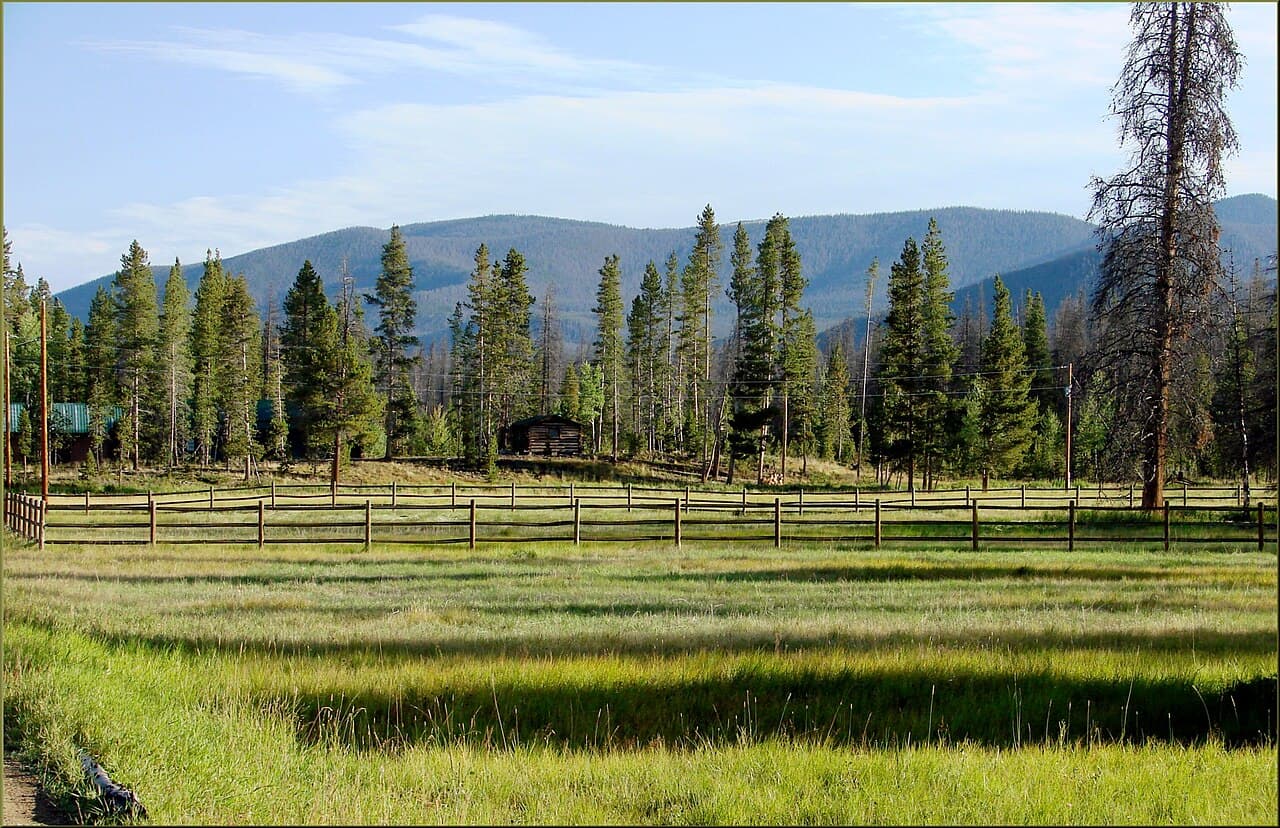
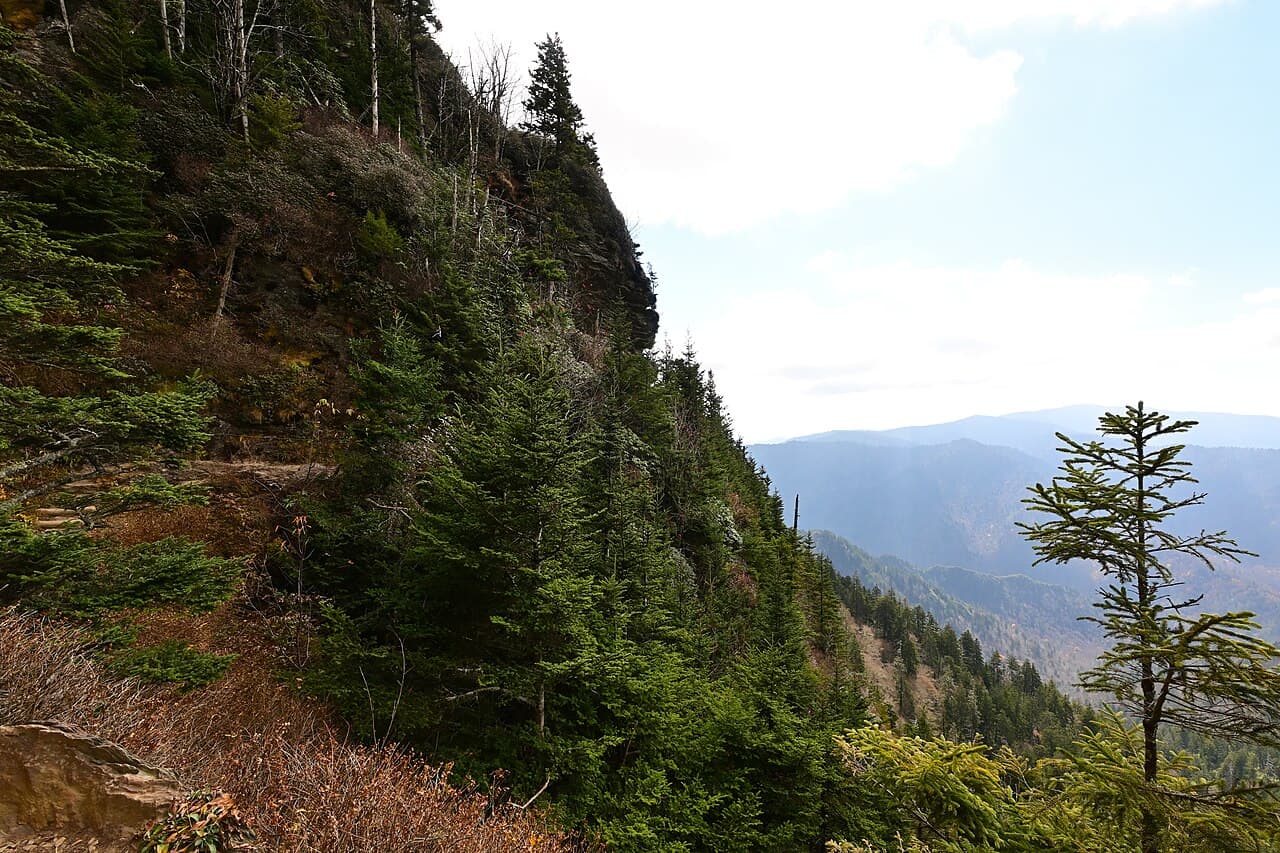
After settling in, ease into the trip with an unhurried walk along the canyon rim, where the Snake River runs dark and silver far below a rim dusted with frost. The wide sky and sage-scented air make this a gentle first outing — plenty of pullouts and benches invite slow looking rather than long walking. Arrive by mid-morning and the rim will be nearly silent, just wind and distant water.

Snake River Canyon
Bureau of Land Management / wikimedia (Public domain)
Head to a canyon rim pullout mid-morning when low winter sun rakes sideways across the gorge, deepening every shadow in the basalt.
Path surfaces are uneven in places with limited benches; use rim pullouts with paved parking for the easiest access and take breaks at any available seating.
8 min driveA short hop along the canyon rim road, the gorge flashing into view through bare cottonwoods.
11:20 AM - 12:05 PM
Perrine Bridge (BASE jumping viewing) · midday · 45 min · Canyon Rim & Gorge Viewpoints

A short, easy stop at the bridge overlook, where the canyon opens dramatically beneath a steel span streaked with orange mineral light. Winter is off-season for jumpers, but the view alone — sheer rock, distant river, wide winter sky — justifies the stop, and the quiet is a gift rarely available in summer.

Perrine Bridge (BASE jumping viewing)
United States. Bureau of Land Management / wikimedia (Public domain)
Shoot from the north parking overlook — the winter light is soft and even at midday, ideal for wide canyon shots.
Main viewing area near parking is flat and manageable, though the bridge midspan walk involves uneven footing — optional for those preferring flatter terrain.
Optional detour: Milner Dam & Historic Hydroelectric SiteAfter Perrine Bridge and before dinner
A quieter historical counterpoint to the canyon views, with engineering history and a humming powerhouse worth exploring at a relaxed pace. Skip if: Skip if energy is low after travel — its uneven terrain and lack of benches make it better suited to Day 2 or 3 when legs are fresher.
If it rains: If snow or rain moves in, canyon views remain scenic but rim paths can turn slick — shift the day toward a slow drive along canyon rim pullouts from the car, stepping out only at paved viewpoints.

The first morning is about easing in — no rush, no long drives, just the wide hush of the Snake River Canyon under a pale winter sky. Rim pullouts offer long views and frequent benches, letting the pace stay slow while the canyon does the talking.

By midday, a short drive delivers you to the Perrine Bridge overlook, where winter's stillness replaces summer's parachute crowds with something quieter — wind, distant water, and the sheer scale of the gorge. This is a light stop, well-suited to settling travel legs and adjusting to the cold, dry air.

With the light fading early, plan a relaxed dinner in town, warming up after a day spent mostly outdoors. Keep the evening low-key — this is a day for resetting the internal clock, not filling every hour.

Waterfall & Canyon

Day 2: Thunder and Ice: Shoshone Falls at Its Rawest

A moderate, scenery-forward day centered on Shoshone Falls with a short walkable distance of under a mile and no strenuous terrain.

Wear
Warm layered clothing, waterproof boots for potentially icy or muddy viewpoint paths, gloves, and a hat — mist near the falls can freeze on exposed skin.
Budget
$55–75 per person including lunch, dinner, and a modest park entry fee.
8:30 AM - 10:30 AM
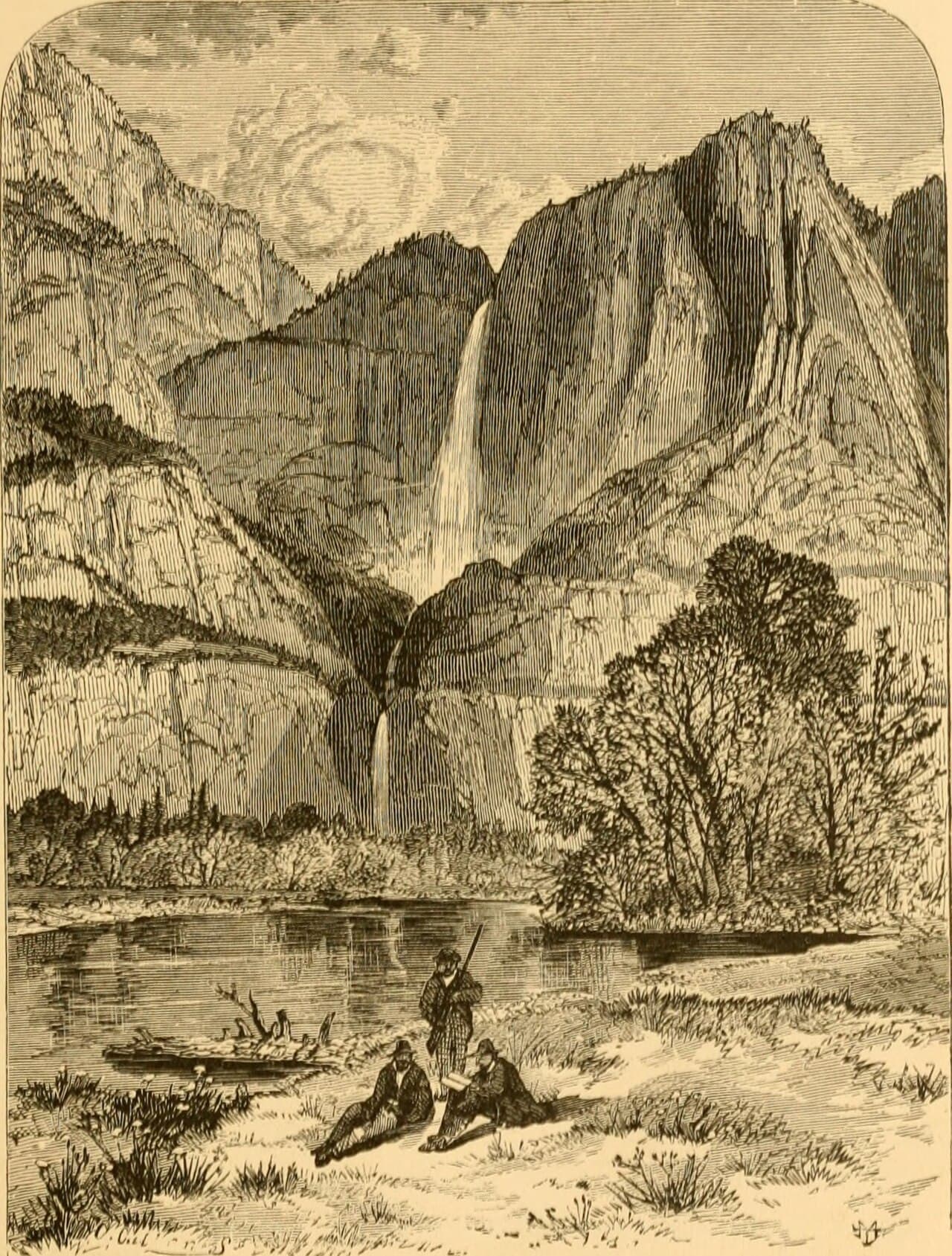
Shoshone Falls (Niagara of the West) · morning · 120 min · Canyon Rim & Gorge Viewpoints

Arrive early and the falls roar to an audience of almost no one — 212 feet of water crashing into the canyon, mist rising and catching the low winter sun in a soft halo. Frost often rims the overlook railings, and the cold intensifies the sensory hit: the vibration in your chest, the sage-and-stone smell cutting through icy air. By mid-morning a handful of other visitors may arrive, but the hush of early light is unmatched.

Shoshone Falls (Niagara of the West)
Internet Archive Book Images / wikimedia (No restrictions)
Shoot from the main canyon-rim overlook just after sunrise, when angled light gilds the basalt walls and mist glows against the shadowed canyon.
The main overlook path is paved, flat, and has frequent benches — ideal for this demographic; approach cautiously in icy conditions and use handrails where provided.
20 min driveA short countryside drive past frost-covered farmland, the canyon reappearing suddenly at the road's edge.
1:00 PM - 2:15 PM
Milner Dam & Historic Hydroelectric Site · afternoon · 75 min · Canyon Rim & Gorge Viewpoints

After a quiet lunch, shift gears to something calmer and more contemplative: the hum of the powerhouse, the mineral tang of stone and water, and the striking sight of the dam's stone face rising from the gorge. It's a gentle change of pace from the raw power of the falls — history over spectacle, with plenty of spots to pause and take in the setting.

Milner Dam & Historic Hydroelectric Site
Photo by Brett Sayles on Pexels
Photograph from the dam crest facing downstream in early afternoon light, when shadows in the gorge deepen and the water below catches a silver sheen.
Terrain here is uneven with sparse benches; take it slow and prioritize the paved viewing areas near the powerhouse for the most accessible vantage.
Optional detour: Perrine Bridge (BASE jumping viewing)After Shoshone Falls and before Milner Dam
If energy allows, a brief return visit catches different winter light on the gorge, especially if skipped or rushed on Day 1. Skip if: Skip if the morning at Shoshone Falls already covered enough canyon scenery — repeating similar views back-to-back can feel redundant.
If it rains: If rain or snow falls, Shoshone Falls remains dramatic and even more atmospheric with mist and drizzle, though paths may be slick — wear grippy boots and skip the base viewpoint in favor of the paved main overlook.

Shoshone Falls in winter feels almost private — thunderous water, cold clean air, and a stillness that summer never allows. The paved overlook path and frequent benches make this an easy, unhurried morning despite the sheer scale of what's in front of you.

After warming up over lunch, the afternoon slows further at Milner Dam, where history replaces spectacle. The hum of hydroelectric machinery and the quiet dignity of old stonework offer a nice contrast to the morning's roar, with slower footing and time to simply take it in.

As daylight fades early, settle into a relaxed dinner in town, letting the cold-weather sightseeing give way to warmth and quiet conversation. No need to rush the evening — a slow wind-down suits the day's unhurried rhythm.

Reflection & Departure

Day 3: Wide Skies and Last Views

A short, easy final day revisiting favorite canyon viewpoints at a relaxed pace, with minimal walking before departure.

Wear
Warm coat, gloves, and waterproof boots — winter mornings can be the coldest of the trip, so dress for a brisk final outing.
Budget
$40–60 per person including breakfast and any final sightseeing.
9:00 AM - 10:15 AM
Snake River Canyon · morning · 75 min · Canyon Rim & Gorge Viewpoints

Return to the canyon rim for a final, slower look — the light is different each morning, and winter's low sun tends to pick out details missed before. This is less about seeing something new than about lingering, letting the scale and quiet sink in one more time before departure.

Snake River Canyon
Bureau of Land Management / wikimedia (Public domain)
Morning light around 9am strikes the canyon walls at a low angle, perfect for texture-rich shots of basalt and frost.
Stick to paved rim pullouts for the easiest footing; benches are limited, so plan short stops rather than one long stretch.
10 min driveA brief, familiar drive along the rim road, the canyon opening up one more time through the windshield.
10:45 AM - 11:30 AM
Perrine Bridge (BASE jumping viewing) · midday · 45 min · Canyon Rim & Gorge Viewpoints

A final, easy stop at the bridge before heading onward — a last wide view of the gorge, the steel span catching midday light, and one more chance to feel the scale of the canyon before the trip winds down.

Perrine Bridge (BASE jumping viewing)
United States. Bureau of Land Management / wikimedia (Public domain)
Midday light is flat but even, good for balanced shots of the full canyon width from the north overlook.
Main overlook area near parking remains flat and manageable for a short, easy final outing.
Optional detour: Milner Dam & Historic Hydroelectric SiteAfter Perrine Bridge and before departure
For travelers with extra time before a flight or drive, a last quiet stop offers a different, historical note to end on. Skip if: Skip if departure timing is tight or if the uneven terrain feels like too much after two full days of sightseeing.
If it rains: If weather turns wet or icy, shorten the day to a single stop at the Snake River Canyon's most accessible paved pullout, viewing the gorge from the car if conditions worsen.

The final morning is unhurried by design — one last look at the canyon rim, with softer light and a slower pace that suits both the cold and the winding-down mood of departure day.

A brief final stop at Perrine Bridge closes the loop, offering one more wide view of the gorge before the drive onward. Keep this stop short and easy, leaving plenty of buffer time for travel logistics.

With travel plans likely filling the evening, there's no scheduled activity — just time to reflect on three quiet days above one of the West's great canyons before heading home.

Want to tweak this trip?

Our AI planner can customize this itinerary to your exact dates, interests, and travel style.

Customize This Itinerary
Good to Know

Restaurant details (hours, menus, availability) change frequently. Check current hours before visiting, especially in seasonal destinations.

Dietary compatibility tags are general guidance. If you have severe allergies, confirm directly with the restaurant.

Travel tips are general guidance, not professional safety advice. Check government advisories for latest information.

All prices are approximate and may vary seasonally.

We use cookies to improve your experience and analyze site usage. Essential cookies are always active. You can customize your preferences or accept all cookies. Cookie Policy