4 DaysCouples8 Stops

Twin Falls area, Idaho

4-Day Itinerary for Couples

Winter Silence on the Snake River: 4 Days Above the Canyon

Winter Silence on the Snake River: 4 Days Above the Canyon

In winter, the canyon exhales frost instead of mist, and the crowds that gather each summer thin to almost nothing. This is Twin Falls stripped down to its essentials — thundering water, amber rock, wide frozen sky — best shared with someone willing to bundle up for the view.

At a Glance

Climate & Weather
Expect cold, dry high-desert winter air, with daytime highs often in the 30s–40s°F and nights well below freezing; canyon winds can make it feel colder still. Pack insulated layers, a windproof/waterproof outer shell, warm hats, gloves, and traction-ready boots for icy overlooks.
Getting Around
A car is essential; distances between clusters and dining are short (10–20 minute drives), but sidewalks and trails may be icy, so allow extra time and wear appropriate footwear.
Budget
Budget roughly $120–180/day per couple for meals and activities, including one upscale dinner splurge; most viewpoints and canyon access are free.
Safety
Overlooks along Perrine Bridge and the canyon rim have minimal railing in places — ice and wind gusts make footing unpredictable in winter, so stay well back from unguarded edges. Roads are generally well-maintained, but check conditions before canyon-rim drives after snowfall.
Connectivity
Cell coverage is reliable throughout Twin Falls and along the canyon rim, with occasional dead zones directly at the base of the gorge; downtown hotels and restaurants offer standard WiFi.
Local Tips
Winter's short days mean sunset can arrive by 5:30 PM — plan golden-hour visits accordingly. Weekday mornings are essentially private viewing at every major overlook. Many restaurants shift to reduced winter hours, so call ahead or plan dinner before 9 PM.

Highlights

  • Shoshone Falls thundering into a frost-rimmed canyon at sunrise
  • Watching for BASE jumpers against a winter-clear Perrine Bridge sky
  • Quiet, crowd-free rim walks along the Snake River Canyon
  • Golden-hour photography at Milner Dam's historic powerhouse
  • Intimate dinners in downtown Twin Falls after early winter sunsets
  • Canyon-rim drives with pullouts practically to yourselves
  • A slower, romance-paced take on high-desert grandeur

Day-by-Day Plan

Settling In

Day 1: Arrival & First Light on the Rim

A gentle arrival day with one signature stop and an easy orientation walk, roughly 1 mile total, low-to-moderate energy.

Wear
Insulated jacket, warm layers, gloves, and boots with good traction for icy pavement.
Budget
$60–90 for the day
2:30 PM - 4:00 PM
Snake River Canyon · afternoon · 90 min · Canyon Rim & Gorge Viewpoints

After travel, let the canyon do the talking — the rim opens into a vast, wind-scoured gorge where the river below runs dark against snow-dusted basalt. In winter, this stretch is nearly silent save for wind and the distant murmur of water, a fitting first impression of the raw scale that defines the region. Walk slowly; the cold sharpens every color, from rust-colored rock to steel-blue sky.

Snake River Canyon
Bureau of Land Management / wikimedia (Public domain)
Late afternoon light rakes across the canyon walls from the west — arrive by 3:30 PM for warm-toned shadows before the winter sun dips fast.
Rim pathways are uneven and can ice over; sturdy, grippy footwear is essential.
If it rains: If snow or wind makes rim walking unsafe, shift the visit to Milner Dam's overlook road, which offers more sheltered pullouts, or simply delay to the following morning.

Travel day — most of the morning is spent arriving into the Magic Valley, settling into lodging, and adjusting to the high-desert cold after the journey.

By early afternoon, head straight for the Snake River Canyon rim for an easy, low-key introduction to the landscape. Its wide silence and dramatic drop-offs are the ideal antidote to travel fatigue — no crowds, no rush, just cold air and immense views.

Settle into downtown Twin Falls for a quiet dinner, keeping the evening unhurried after a day of travel; an early night helps you rise for tomorrow's sunrise plans at Shoshone Falls.

Waterfall & Canyon Drama

Day 2: Thunder in the Cold: Shoshone Falls at Dawn

A moderate-energy day centered on Shoshone Falls and a nearby overlook walk, covering about 2 miles total.

Wear
Waterproof boots (mist freezes on canyon paths), thermal layers, a windproof shell, and a hat that won't blow off in canyon gusts.
Budget
$70–100 for the day
15 min driveA quiet morning drive along frost-lined roads, the canyon slowly revealing itself through the windshield as the sun clears the rim.
7:30 AM - 9:30 AM
Shoshone Falls (Niagara of the West) · morning · 120 min · Canyon Rim & Gorge Viewpoints

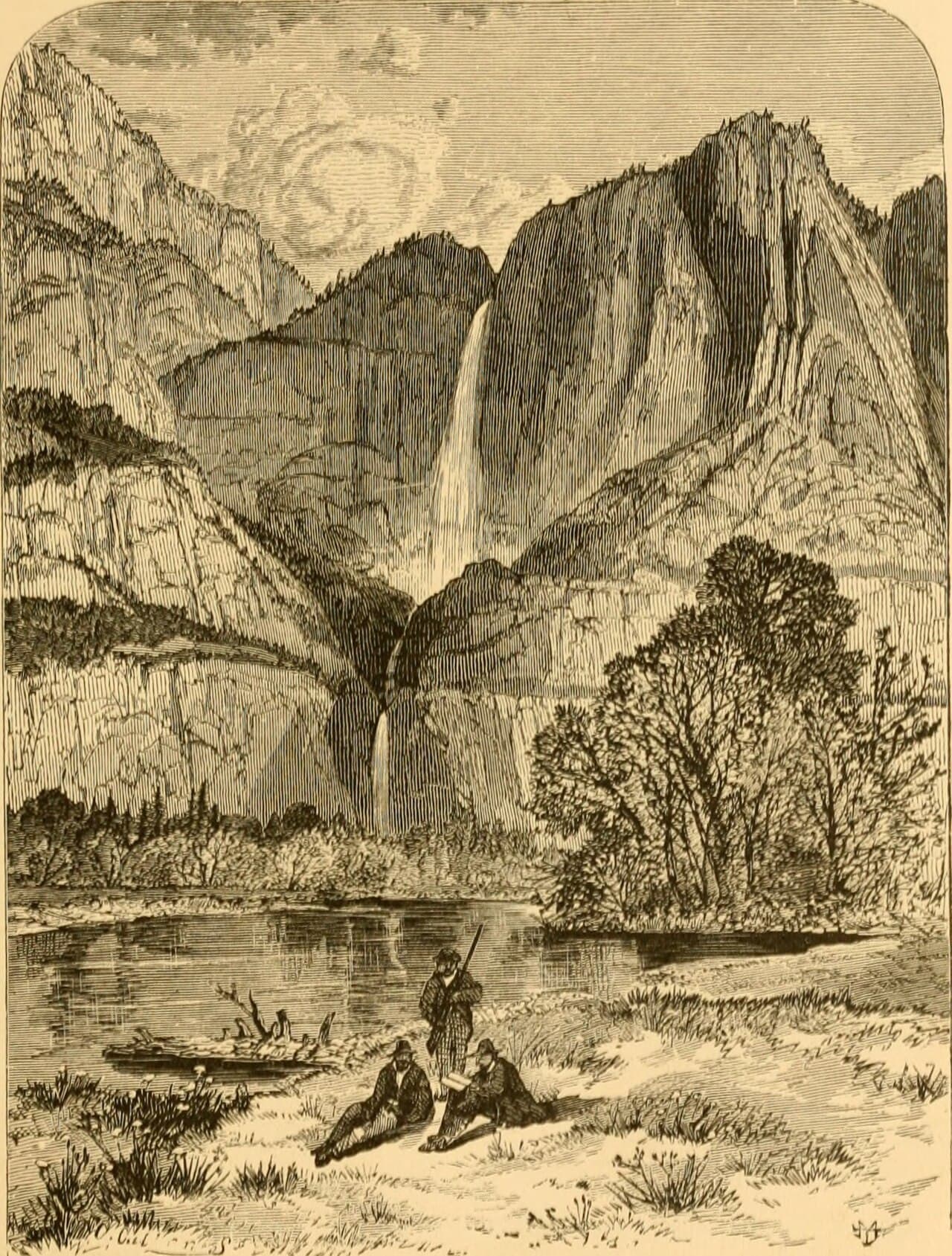
Arrive by 7:30 AM and the falls are yours — just the low winter sun catching spray that turns to fine ice crystals in the air, and the deep chest-thump of 45,000 cubic feet of water per second crashing 212 feet into the gorge. By 9 AM a handful of other early risers may appear, but the hush of a winter morning here feels almost private, intimate in a way summer crowds never allow. Bundle close together at the main overlook; the mist carries real cold.

Shoshone Falls (Niagara of the West)
Internet Archive Book Images / wikimedia (No restrictions)
Shoot from the main canyon-rim overlook just after sunrise, when low light catches the mist and turns it gold against the dark basalt.
Main overlook path is paved and wheelchair accessible with frequent benches, though winter ice can form — move slowly.
10 min driveA short hop along the canyon road, the bridge's steel arch appearing suddenly against the sky.
10:15 AM - 11:00 AM
Perrine Bridge (BASE jumping viewing) · midday · 45 min · Canyon Rim & Gorge Viewpoints

The wind here has a voice of its own, funneling through the gorge and rattling the bridge railings. Winter jumpers are less frequent than in summer, but on clear, calm mornings you may still catch a parachute catching the pale light against orange canyon walls — a striking, almost cinematic sight for a couple willing to wait a few quiet minutes at the rail.

Perrine Bridge (BASE jumping viewing)
United States. Bureau of Land Management / wikimedia (Public domain)
Position at the north parking overlook for unobstructed views of both canyon and any jumpers; late morning light is flat but clear in winter.
Bridge approach paths are uneven and unpaved in places; not ideal for limited mobility in icy conditions.
Optional detour: Snake River CanyonAfter Perrine Bridge and before returning downtown
A quieter rim stretch to decompress after the bridge's wind and activity, with fewer people and a more contemplative mood. Skip if: Skip if the wind has picked up significantly or if you've already had ample canyon-rim time at Shoshone Falls.
If it rains: If snow or fog rolls in, Shoshone Falls remains dramatic (light precipitation intensifies the mist) but Perrine Bridge visibility drops sharply — consider swapping bridge time for a longer, more sheltered visit to the falls overlook instead.

Rise early for Shoshone Falls at first light, when the roar of the water and the near-total solitude make it feel like a private discovery rather than a tourist stop. The cold intensifies every sensory detail — the mist, the light, the scale of the drop.

Midday shifts to Perrine Bridge, where wind and altitude replace water and mist as the dominant sensations; watch for jumpers, but mostly enjoy the canyon's raw geometry framed by the bridge's steel arch.

Head back into town for an early, cozy dinner as temperatures drop further after sunset — an ideal night to linger indoors over a slow meal and warm drinks.

Engineering & Quiet Grandeur

Day 3: Stone, Water, and History

A moderate day focused on Milner Dam's historic hydroelectric site and a relaxed canyon overlook, with about 1.5 miles of walking.

Wear
Layered clothing for temperature swings between sun-exposed overlooks and shaded canyon paths, plus insulated gloves for handling cameras in the cold.
Budget
$80–110 for the day
25 min driveA slightly longer drive out along open agricultural roads, fields glazed with frost giving way to canyon walls.
9:00 AM - 10:15 AM
Milner Dam & Historic Hydroelectric Site · morning · 75 min · Canyon Rim & Gorge Viewpoints

The dam hums faintly beneath your feet even in winter's stillness, water rushing through penstocks while stone and steel blend into the canyon's amber palette. Arrive early and you'll likely have the powerhouse and its vantage points entirely to yourselves — a quiet, almost meditative counterpoint to the falls' thunder from the day before.

Milner Dam & Historic Hydroelectric Site
Photo by Brett Sayles on Pexels
Shoot from the dam crest facing downstream in late morning, when soft winter light rakes across the gorge without harsh shadows.
Uneven terrain around the dam; sturdy footwear recommended, and paths may be icy near the water's edge.
20 min driveBacktracking along the canyon-rim road, pullouts along the way tempting a few extra stops for photos.
1:00 PM - 2:30 PM
Snake River Canyon · afternoon · 90 min · Canyon Rim & Gorge Viewpoints

After the engineering marvel of the dam, the canyon rim offers pure, unfiltered nature again — wide open sky, distant river murmur, and long views made sharper by winter's low humidity. This is the kind of place where conversation slows and silence feels natural, ideal for a couple content to simply stand at the edge and take it all in.

Snake River Canyon
Bureau of Land Management / wikimedia (Public domain)
Midday winter light is soft and even here — a good window for portraits against the canyon backdrop without harsh shadows.
Rim pathways are unpaved and uneven; not wheelchair accessible, with sparse benches.
Optional detour: Perrine Bridge (BASE jumping viewing)After Snake River Canyon and before dinner downtown
A quick return visit catches different light and possibly late-afternoon jumpers if winds are calm. Skip if: Skip if you've already had ample bridge time earlier in the trip or if wind conditions are poor for visibility.
If it rains: Heavy rain or snow limits photo quality at both the dam and canyon rim — if conditions turn severe, shorten outdoor time and prioritize the dam's more sheltered vantage points before retreating indoors.

Morning belongs to Milner Dam, where history and hydrology meet in a strikingly quiet setting — the powerhouse's hum and the canyon's stillness create an atmosphere entirely different from the falls or bridge.

The afternoon eases into a slower rhythm at the Snake River Canyon rim, where wide-open views and winter's low crowds invite unhurried appreciation rather than sightseeing checklist energy.

As the sun drops early behind the canyon walls, retreat downtown for a relaxed dinner — a good night for the trip's splurge meal, given the day's blend of history and natural beauty.

Final Views & Departure

Day 4: Farewell to the Canyon

A lighter final day with one signature revisit and time for departure logistics, roughly 1 mile of walking.

Wear
Comfortable travel-ready layers with a warm outer shell for one last cold-morning overlook before heading out.
Budget
$50–80 for the day
8:00 AM - 9:30 AM
Shoshone Falls (Niagara of the West) · morning · 90 min · Canyon Rim & Gorge Viewpoints

One final visit, timed early again to catch the falls in their quietest state — the water's roar now familiar, almost comforting, a fitting farewell to the canyon that's anchored the whole trip. Linger a little longer than practical; there's no rush before departure, and this is the kind of view worth a slow, wordless goodbye.

Shoshone Falls (Niagara of the West)
Internet Archive Book Images / wikimedia (No restrictions)
Morning light from the east-side trail perspective offers a more intimate framing than the main overlook — worth the short detour for a final photo together.
Main paths remain paved and accessible; watch for icy patches near overlook railings.
If it rains: If poor weather limits visibility, treat the final morning as a shorter, lower-key visit to Shoshone Falls' main overlook rather than the longer trail routes, then depart with extra buffer time for road conditions.

A last, quiet morning at Shoshone Falls closes the loop on the trip — the same thunderous water, but now viewed with the ease of familiarity rather than first-day wonder.

The remainder of the day shifts to practical matters — checking out, fueling up, and allowing extra time for winter road conditions on the drive to the airport or next destination.

Departure timing will vary, but if there's time before heading out, a final unhurried coffee or light meal downtown makes a fitting, low-key send-off from the Magic Valley.

Want to tweak this trip?

Our AI planner can customize this itinerary to your exact dates, interests, and travel style.

Customize This Itinerary
Good to Know

Restaurant details (hours, menus, availability) change frequently. Check current hours before visiting, especially in seasonal destinations.

Dietary compatibility tags are general guidance. If you have severe allergies, confirm directly with the restaurant.

Travel tips are general guidance, not professional safety advice. Check government advisories for latest information.

All prices are approximate and may vary seasonally.

We use cookies to improve your experience and analyze site usage. Essential cookies are always active. You can customize your preferences or accept all cookies. Cookie Policy