Sportsman’s Paradise (North LA), Louisiana
2-Day Itinerary for Solo Traveler
“Still Water, Old Ground: Two Days Alone in Sportsman's Paradise”

The bayou doesn't perform for visitors — it just keeps being itself, cypress knees breaking the surface, herons folding into the mist. This is a trip for travelers who've stopped needing a destination to prove itself and just want to sit with something old and quiet for a while.
At a Glance
Highlights
- Dawn paddle-still mornings on Black Bayou Lake with no one else on the water
- Climbing the observation tower for a wetland panorama that stretches to the tree line
- Standing on 3,000-year-old ceremonial ridges at Poverty Point
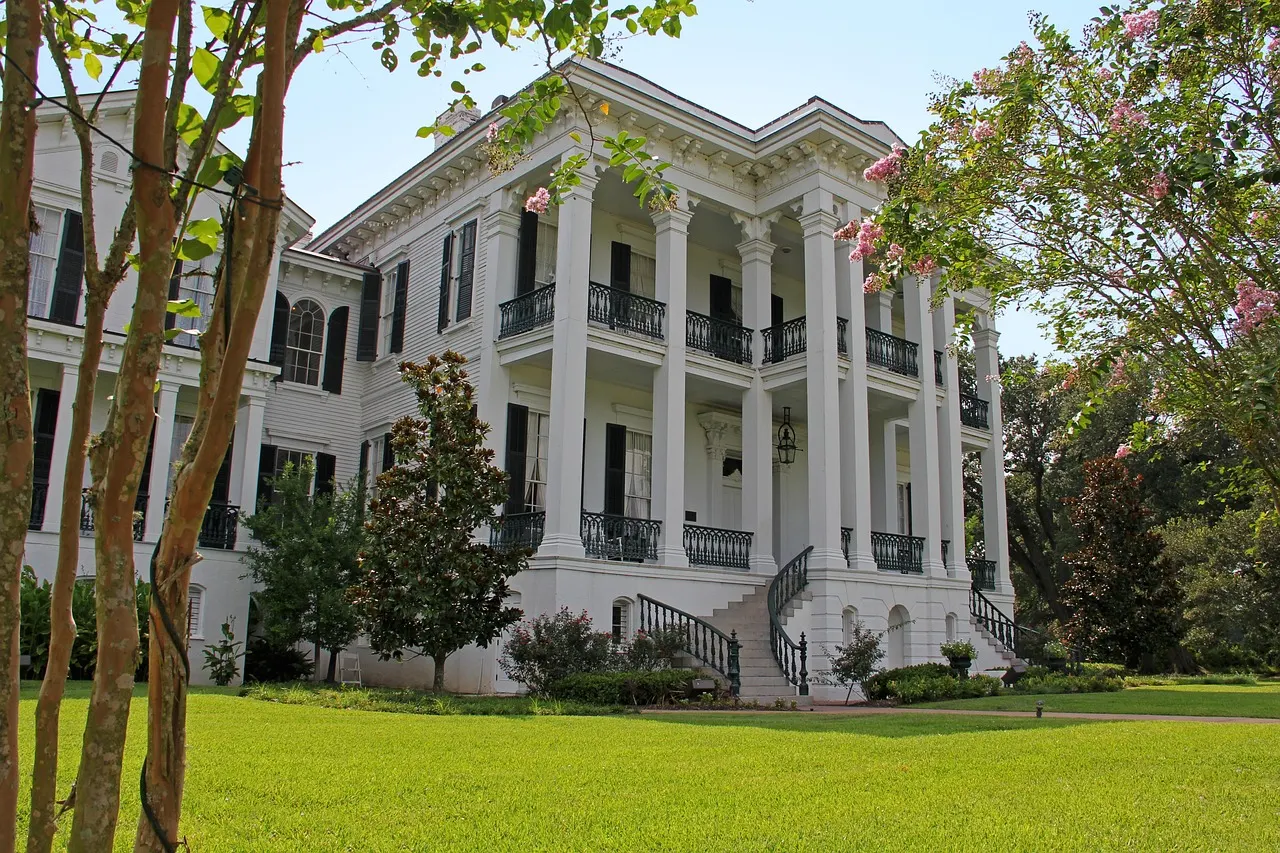
- A lamplit evening tour through a 19th-century plantation house
- Early fall light cutting gold through cypress canopy
- Genuinely quiet roads — no crowds to dodge, just you and the landscape
What do 2 days in Sportsman’s Paradise (North LA) look like for solo travelers?
4 stops across 2 days, about 6 hours of sightseeing in all. The rest is yours for long lunches and unplanned detours.
| Day | Stop | Area | Suggested time | Typical visit |
|---|---|---|---|---|
| Day 1 | Black Bayou Lake | Black Bayou & Lake D'Arbonne | 7:30 AM - 9:00 AM | 1 hr 30 min |
| Day 1 | Black Bayou Lake | Black Bayou & Lake D'Arbonne | 9:00 AM - 10:30 AM | 1 hr 30 min |
| Day 2 | Poverty Point National Monument | Poverty Point Historic Zone | 8:00 AM - 9:30 AM | 1 hr 30 min |
| Day 2 | Morehouse Plantation Historic House | Poverty Point Historic Zone | 1:00 PM - 2:30 PM | 1 hr 30 min |
Each day opens as a route in Google Maps; the map file drops every stop into Google My Maps or an offline map app.
Day-by-Day Plan
Day 1: Settling Into Still Water
A gentle orientation day centered on Black Bayou Lake, with roughly 1.5 miles of flat, easy walking and a low cognitive load to ease into the region's unhurried pace.
Arrive while the water's still glass-flat and the only sound is birdsong threading through cypress — by 9am, weekend anglers start trickling in and the stillness softens. Walk the boardwalk slowly; herons tend to hold their pose if you move like you're not in a hurry. The observation tower is worth the climb for a wide, unbroken view of the wetland waking up.

Rather than rushing off, stay with the lake a little longer — find a bench along the cypress shoreline and let the morning stretch. This is a good window for unhurried photography as the light shifts from soft gray-gold to clearer midday tones, and for simply sitting with no agenda, which is really the whole point of a place like this.
The day begins early and unhurried — Black Bayou Lake at dawn is less a destination than a mood, all soft birdsong and still water, with the cypress trees holding their reflections like they're guarding something. Walking the boardwalk alone in this early light feels like being let in on a secret before the rest of the day arrives.
With no second major stop scheduled, the early afternoon is intentionally loose — this is the adjustment day, and the pace should match it. Use the extra time to settle into lodging, pick up any supplies in Monroe if needed, and let the morning's quiet carry through rather than rushing into something new.
As the sun drops earlier with fall's shorter days, consider a lakeside dinner or a simple meal near your lodging, then an early wind-down — this is rural Louisiana, where restaurants close by 9pm and the real evening entertainment is a dark sky full of stars and the distant sound of water settling for the night.
Day 2: Ancient Ground, Old Walls
A moderate-energy day covering roughly 2 miles of walking across Poverty Point's mound trails and the plantation house grounds, trading nature for deep human history.
Arrive by 8am and the ridges are yours — just red clay soil, Delta wind, and the strange sensation of standing on ground shaped by hands three thousand years ago. The visitor center's interpretive film is worth a stop before or after the trail; it reframes the earthworks from abstract mounds into a genuinely ceremonial, intentional place. Solo travelers often find this an easy spot to strike up conversation with rangers or fellow early visitors — the quiet invites it.
The shift from open earthworks to creaking hardwood floors is deliberate — this is a quieter, more intimate kind of history, told through faded wallpaper and a guide's careful narration rather than wide horizons. Weekday afternoons tend to be near-empty, which makes the guided tour feel almost private, a good chance to ask questions and actually engage rather than shuffle through with a crowd.
The morning trades water for earth — Poverty Point's ancient ridges rise subtly from the Delta floor, easy to miss if you're not paying attention, which is exactly why arriving early and moving slowly matters here. The silence is different from the bayou's: drier, older, carried on wind rather than water.
The pace softens further at Morehouse Plantation, where the scale shrinks from landscape to room, from millennia to centuries. It's a good counterweight to the morning's open space — more intimate, more human, and quieter still on a weekday afternoon.
With the sun setting earlier this time of year, plan dinner on the early side, in keeping with local rhythm — by 7pm most kitchens are winding down. Spend the last hour of daylight somewhere unhurried, reflecting on two days that asked for very little except attention.
Planning the nights, too?
Compare places to stay around Sportsman’s Paradise (North LA), or browse tours and tickets to slot between the stops above.
Itinara may earn a commission when you book through these links, at no extra cost to you.
Want to tweak this trip?
Our AI planner can customize this itinerary to your exact dates, interests, and travel style.
Customize This ItineraryRestaurant details (hours, menus, availability) change frequently. Check current hours before visiting, especially in seasonal destinations.
Dietary compatibility tags are general guidance. If you have severe allergies, confirm directly with the restaurant.
Travel tips are general guidance, not professional safety advice. Check government advisories for latest information.
All prices are approximate and may vary seasonally.