Sportsman’s Paradise (North LA), Louisiana
2-Day Itinerary for Teen Families
“Bayou Mornings & Ancient Mounds: Two Days in Sportsman's Paradise”

The bayou doesn't announce itself—it seeps into you slowly, through the croak of herons and the dark mirror of still water under cypress knees. Two days here trade screens for swamp light and ancient earthworks, the kind of slow discovery that sneaks up on teenagers who swore they'd be bored.
At a Glance
Highlights
- Dawn paddle past cypress knees on Black Bayou Lake
- Observation tower views over wetland panoramas
- Walking 3,000-year-old ceremonial mounds at Poverty Point
- Golden-hour photos on the ridge trails
- A hands-off history lesson that doesn't feel like one
- Quiet, uncrowded nature with real wildlife sightings
- Genuine small-town Louisiana pace, no crowds to fight
What do 2 days in Sportsman’s Paradise (North LA) look like for families with teens?
3 stops across 2 days, about 5 hours of sightseeing in all. The rest is yours for long lunches and unplanned detours.
| Day | Stop | Area | Suggested time | Typical visit |
|---|---|---|---|---|
| Day 1 | Black Bayou Lake | Black Bayou & Lake D'Arbonne | 7:30 AM - 9:45 AM | 2 hr 15 min |
| Day 2 | Poverty Point National Monument | Poverty Point Historic Zone | 8:00 AM - 9:30 AM | 1 hr 30 min |
| Day 2 | Morehouse Plantation Historic House | Poverty Point Historic Zone | 10:15 AM - 11:45 AM | 1 hr 30 min |
Each day opens as a route in Google Maps; the map file drops every stop into Google My Maps or an offline map app.
Day-by-Day Plan
Day 1: Settling Into Bayou Time
A gentle orientation day centered on Black Bayou Lake's calm waters and boardwalks, with minimal walking (under 2 miles) and low cognitive load.
Arrive by 7:30am and the lake belongs to you—mist still clinging to the cypress knees, herons stalking the shallows before the heat pushes them into hiding. The boardwalk winds through brackish stillness broken only by distant splashes, and the observation tower rewards the climb with a wide-angle sweep of wetland that makes even skeptical teens reach for their phones. This is low-exertion, high-reward territory—easy enough for younger siblings, interesting enough that teens will actually look up from their screens.

The day opens slow and quiet at Black Bayou Lake, where the boardwalk threads through cypress shadows and the observation tower offers a payoff view without much physical effort. Arriving early means near-total solitude—just birdsong, the mineral smell of the water, and the occasional distant splash of something unseen moving through the shallows. It's the kind of low-stakes nature experience that eases everyone into vacation mode, teens included.
With the heat climbing past the comfortable window, afternoon shifts toward rest and recalibration—a slow lunch, time to dry off, and space to let the morning's quiet sink in before tackling anything more involved tomorrow. This is intentionally light: no additional anchor stops, just room to breathe, nap, or wander back toward the water's edge if the family wants a second look at the lake from a different angle in cooler shade.
As the light softens toward evening, this is prime time for a lakeside dinner or a simple campfire gathering if your lodging allows it—dinner options directly tied to the bayou are limited, so plan meals around nearby towns like Monroe rather than expecting dining right at the water's edge. Let the evening wind down early; locals eat dinner by 6 or 7pm and the quiet rural rhythm rewards an early night ahead of day two's more active schedule.
Day 2: Walking Among the Ancients
A moderate-paced day exploring Poverty Point's ancient mounds and a plantation house, with roughly 2-3 miles of walking across uneven but manageable terrain.
Get there by 8am and the ridges are still cool underfoot, red clay soil holding yesterday's rain just enough to smell rich and alive. The ceremonial mounds rise unassumingly from the Delta flatness—no towering ruins, just ancient geometry that rewards patience and a little imagination, which is exactly the kind of mystery that tends to hook history-skeptical teens. The elevated observation platform is the move here: it reveals the ridge pattern invisible from ground level, a layout that took thousands of years and is still only partly understood.
The contrast lands immediately—creaking hardwood floors, faded period wallpaper, and a guide's hushed storytelling replacing the open Delta wind of the mounds. It's a different register of history, more intimate and architectural, and gives teens a tangible sense of 19th-century plantation life that complements the morning's deep-time mystery without repeating it. Go easy on expectations for extensive wandering—the house itself is compact, so this fits neatly as a mid-morning change of pace rather than a full excursion.
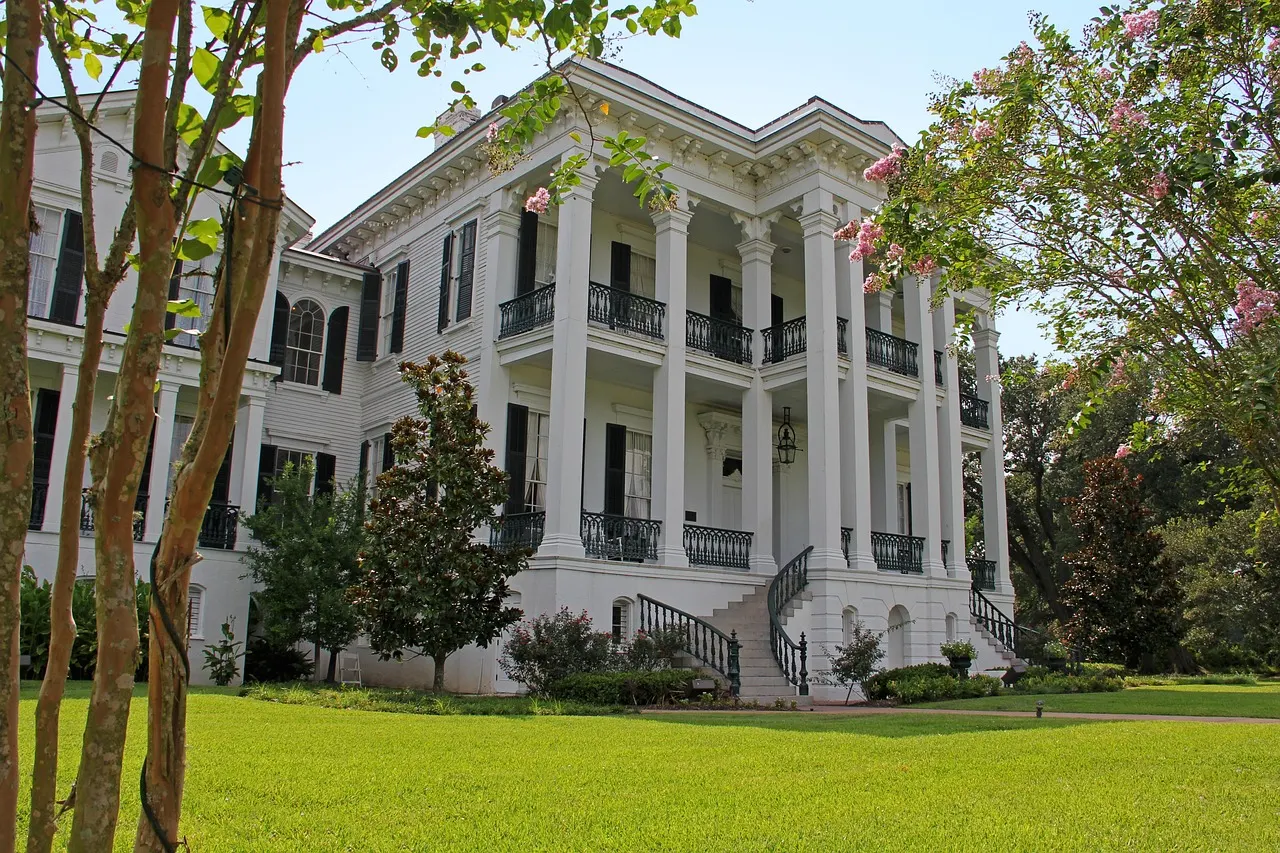
The day leans into deep history, starting at Poverty Point while the morning air is still cool enough to make the mound trails comfortable. The site's quiet, almost eerie stillness—broken only by wind and distant birdsong—gives the ancient earthworks room to feel genuinely mysterious rather than just educational, which tends to land well with teenagers who roll their eyes at traditional museums.
After the historic house, the pace intentionally slows—afternoon heat in North Louisiana summers makes this the right window for retreating indoors or back toward the lake cabin for lunch and downtime. There's no third anchor stop scheduled; the day's two substantive experiences (ancient mounds, plantation house) already deliver a full but manageable dose of history, leaving room to avoid overloading teens with back-to-back heavy content.
Evening circles back to the relaxed rhythm that defines this trip—an early dinner in town, since most restaurants close by 9pm, followed by a final quiet evening by the water if lodging allows, or simply unwinding before departure. It's a soft landing after two days that balanced water, wildlife, and deep time, the kind of trip that lingers in memory longer than its modest mileage would suggest.
Planning the nights, too?
Compare places to stay around Sportsman’s Paradise (North LA), or browse tours and tickets to slot between the stops above.
Itinara may earn a commission when you book through these links, at no extra cost to you.
Want to tweak this trip?
Our AI planner can customize this itinerary to your exact dates, interests, and travel style.
Customize This ItineraryRestaurant details (hours, menus, availability) change frequently. Check current hours before visiting, especially in seasonal destinations.
Dietary compatibility tags are general guidance. If you have severe allergies, confirm directly with the restaurant.
Travel tips are general guidance, not professional safety advice. Check government advisories for latest information.
All prices are approximate and may vary seasonally.