Sportsman’s Paradise (North LA), Louisiana
2-Day Itinerary for Teen Families
“Cypress Mornings & Ancient Ridges: 2 Days in Sportsman's Paradise”

The cypress knees stand like sentries in the dark water, and somewhere past the fog a heron lifts off without a sound. This corner of North Louisiana doesn't perform for you — it just quietly unfolds, one still morning and one 3,000-year-old ridge at a time.
At a Glance
Highlights
- Paddling silence on Black Bayou Lake at dawn
- Climbing the observation tower for a wetland panorama
- Standing atop ceremonial mounds older than the pyramids
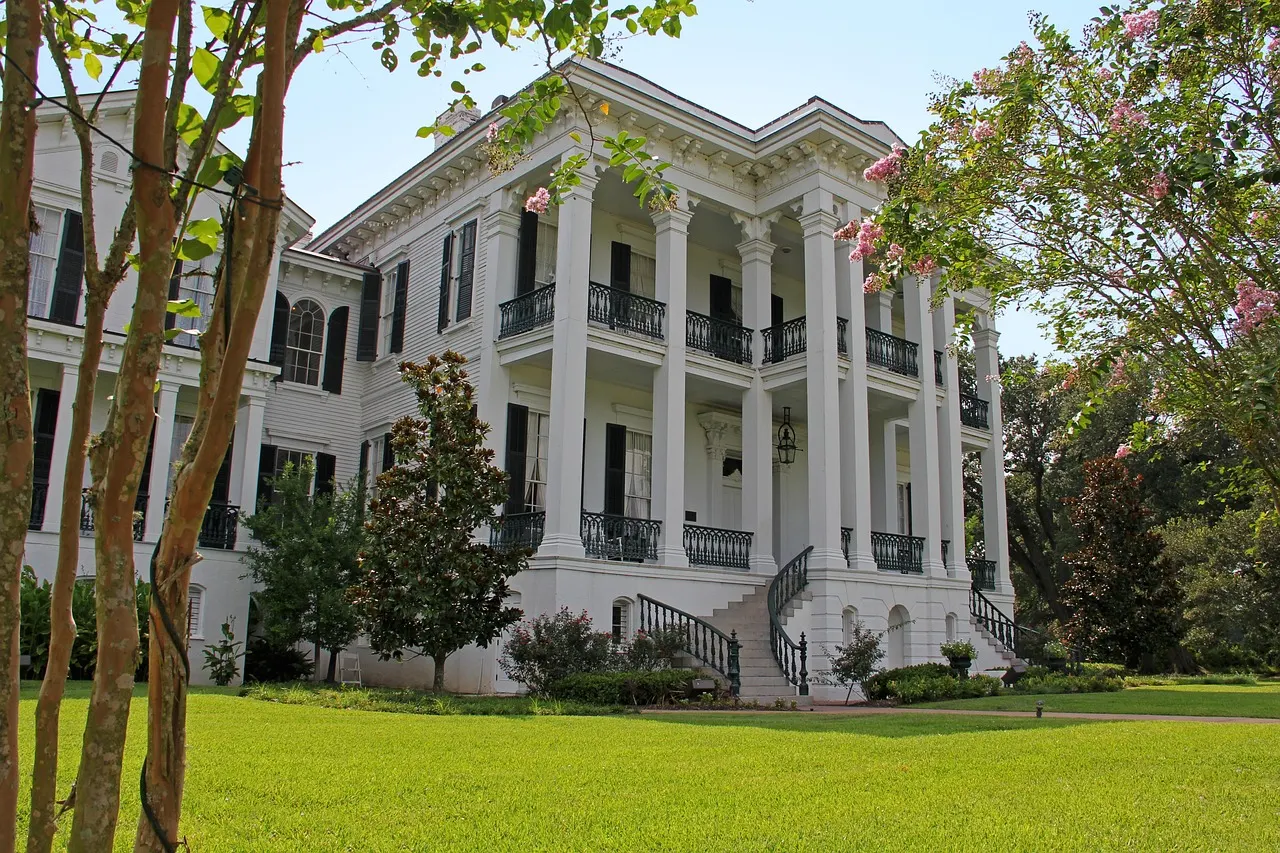
- Wandering a lantern-lit 19th-century plantation house
- Teen-friendly downtime built into every afternoon
- Early starts that dodge both heat and crowds
- Genuine small-town Cajun cooking, no pretense required
What do 2 days in Sportsman’s Paradise (North LA) look like for families with teens?
3 stops across 2 days, about 5 hours of sightseeing in all. The rest is yours for long lunches and unplanned detours.
| Day | Stop | Area | Suggested time | Typical visit |
|---|---|---|---|---|
| Day 1 | Black Bayou Lake | Black Bayou & Lake D'Arbonne | 7:30 AM - 9:45 AM | 2 hr 15 min |
| Day 2 | Poverty Point National Monument | Poverty Point Historic Zone | 8:00 AM - 9:30 AM | 1 hr 30 min |
| Day 2 | Morehouse Plantation Historic House | Poverty Point Historic Zone | 11:00 AM - 12:30 PM | 1 hr 30 min |
Each day opens as a route in Google Maps; the map file drops every stop into Google My Maps or an offline map app.
Day-by-Day Plan
Day 1: Settling Into Still Water
A gentle orientation day centered on Black Bayou Lake — about 2 miles of flat, easy walking and low physical exertion to ease into the trip's unhurried rhythm.
Arrive by 7:30am and the boardwalk is yours alone — mist still sitting on the water, the only sound a distant splash or the creak of a heron settling into a cypress. By 9am, weekend anglers start trickling in and the stillness breaks into gentle, companionable activity. The observation tower is the move for teens with phones — wide, uninterrupted wetland views that make for the trip's first great photo without anyone needing to 'pose.'

The day starts slow and soft on purpose — this is the jet-lag buffer, the morning where nobody has to rush. Black Bayou Lake rewards the early risers: the boardwalk is empty, the air smells of brackish water and damp cypress, and the observation tower delivers a panorama that feels like a private discovery rather than a tourist checkpoint. Teens who roll their eyes at 'nature walks' tend to come around once they're the one spotting the heron first.
With the morning's walking done, the afternoon opens up for rest and recalibration — a slow lunch, a return to the cabin or lodging for downtime, maybe a nap for younger teens still adjusting to travel. This is intentionally the lightest stretch of the whole trip, a chance to let the quiet of the parish settle in before tomorrow's more active day at the mounds.
Keep dinner early and unfussy, in line with the local rhythm of 5–7pm meals, and let the evening wind down naturally — a short walk, cards on the porch, or simply watching the sky change over the water. Since dining options directly at the bayou are sparse, plan the meal around wherever you're staying in Monroe or Morehouse Parish rather than at the trailhead itself.
Day 2: Ridges, Relics, and Lamplight
A moderate-energy day moving through the Poverty Point Historic Zone — roughly 2.5 miles of walking across uneven but manageable terrain, split between outdoor mound exploration and an indoor historic house tour.
Get there by 8am and the ridges are empty — just red clay underfoot, Delta wind moving through, and 3,000 years of silence pressing in. The scale sneaks up on you; what looks like gentle rolling earth from the parking lot reveals itself, from the observation platform, as a deliberate and massive geometric design. Teens who've just sat through a lecture-heavy museum elsewhere tend to perk up here — it's more mystery than classroom, and the interpretive film at the visitor center fills in the 'why' without feeling like homework.
The transition from open earthworks to creaking hardwood floors is deliberate — a change in both pace and mood. Inside, the air carries that particular museum-house mustiness of old textiles and faded wallpaper, and a guide's hushed, careful storytelling pulls the family through 19th-century plantation life room by room. It pairs naturally after the mounds: one site asks you to imagine deep time, the other asks you to imagine a single household's daily life, and teens often find the contrast sparks more conversation than either site alone.
The second day asks a little more of everyone, starting early at Poverty Point while the ridges are still quiet and the light is kind. There's a stillness here that's different from the bayou's — less about wildlife, more about scale and time — and the observation platform is the payoff moment, where the geometric pattern of the earthworks finally clicks into view.
After the mounds, the pace shifts indoors and inward at the Morehouse Plantation Historic House, trading wide Delta horizons for creaking floors and candlelit storytelling. It's a deliberately lower-energy stop after a morning of walking, giving legs a rest while still keeping minds engaged — a good rhythm for teens who need variety to stay interested.
With the day's two anchors done by early afternoon, there's room to breathe before an early Cajun-style dinner back near Monroe or Morehouse Parish, keeping in step with the region's 5–7pm dinner rhythm. Wind down with something unhurried — porch time, card games, or an early night — since the shorter fall daylight means the sky's already dimming by the time dinner plates clear.
Planning the nights, too?
Compare places to stay around Sportsman’s Paradise (North LA), or browse tours and tickets to slot between the stops above.
Itinara may earn a commission when you book through these links, at no extra cost to you.
Want to tweak this trip?
Our AI planner can customize this itinerary to your exact dates, interests, and travel style.
Customize This ItineraryRestaurant details (hours, menus, availability) change frequently. Check current hours before visiting, especially in seasonal destinations.
Dietary compatibility tags are general guidance. If you have severe allergies, confirm directly with the restaurant.
Travel tips are general guidance, not professional safety advice. Check government advisories for latest information.
All prices are approximate and may vary seasonally.