Sportsman’s Paradise (North LA), Louisiana
3-Day Itinerary for Teen Families
“Bayou Light & Ancient Ridges: 3 Days in Sportsman's Paradise”

Here, the water moves slower than your phone's notification buzz and the forest keeps secrets older than the state itself. Fall strips away the humidity and the crowds, leaving cypress-lined lakes, red-clay ridges, and long golden evenings perfect for a family that wants adventure without hustle.
At a Glance
Highlights
- Dawn paddle past herons on Black Bayou Lake
- Climbing the observation tower for a wide wetland panorama
- Walking 3,500-year-old ceremonial earthworks at Poverty Point
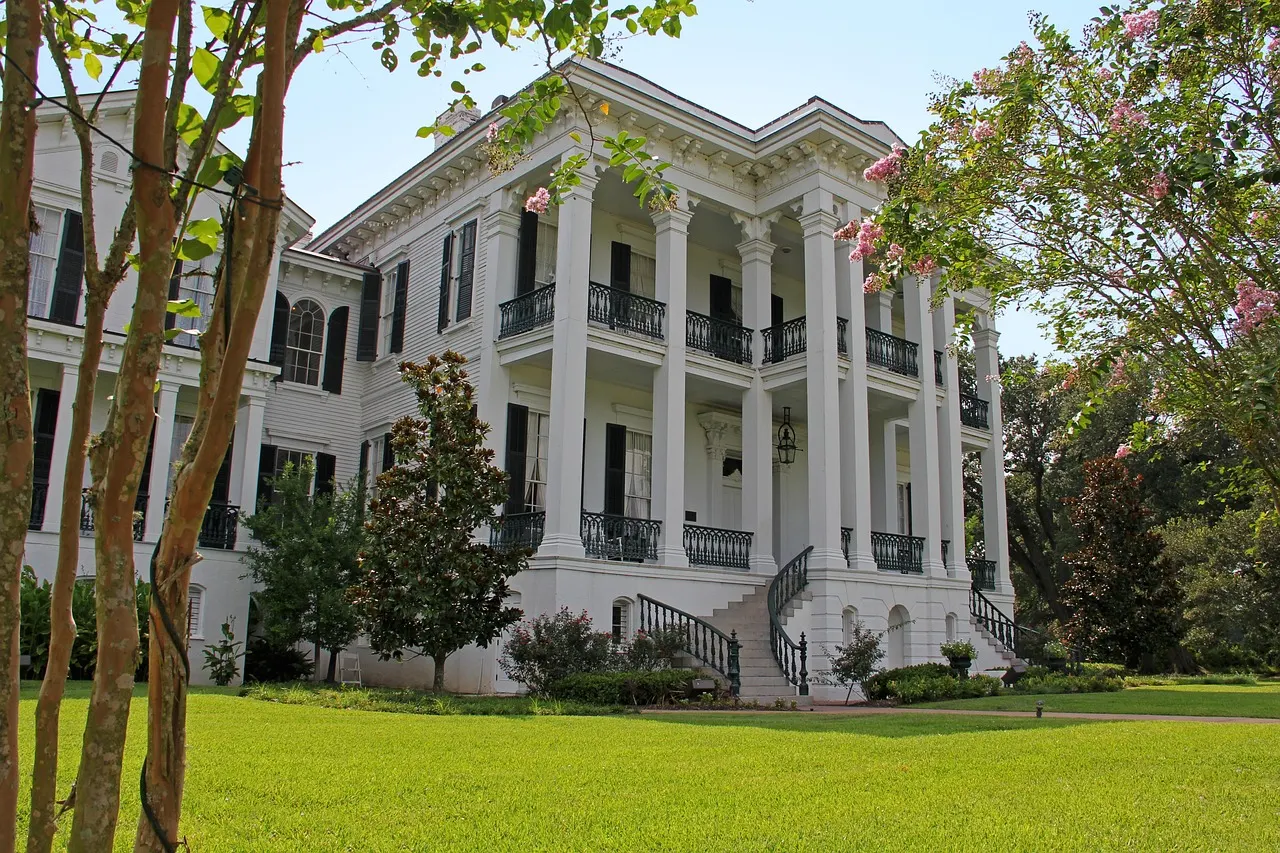
- Stepping inside a preserved 19th-century plantation house
- Golden-hour photos on the cypress shoreline
- Quiet, uncrowded trails even on fall weekends
- Easy-paced days built for both parents and teens
What do 3 days in Sportsman’s Paradise (North LA) look like for families with teens?
4 stops across 3 days, about 8 hours of sightseeing in all. The rest is yours for long lunches and unplanned detours.
| Day | Stop | Area | Suggested time | Typical visit |
|---|---|---|---|---|
| Day 1 | Black Bayou Lake | Black Bayou & Lake D'Arbonne | 8:00 AM - 10:30 AM | 2 hr 30 min |
| Day 2 | Poverty Point National Monument | Poverty Point Historic Zone | 8:30 AM - 10:30 AM | 2 hr |
| Day 2 | Morehouse Plantation Historic House | Poverty Point Historic Zone | 11:00 AM - 12:30 PM | 1 hr 30 min |
| Day 3 | Black Bayou Lake | Black Bayou & Lake D'Arbonne | 7:30 AM - 9:45 AM | 2 hr 15 min |
Each day opens as a route in Google Maps; the map file drops every stop into Google My Maps or an offline map app.
Day-by-Day Plan
Day 1: Settling Into Stillness
A gentle arrival day centered on Black Bayou Lake's calm waters and boardwalks, with under 2 miles of easy walking.
Arrive while the mist is still lifting off the water and the only sound is birdsong punctuated by the occasional splash — by 9am, families start trickling in, but you'll have had the boardwalk nearly to yourselves. Teens tend to perk up at the observation tower, where the wetland unfurls in every direction and herons stalk the shallows like they own the place. This is the softest possible landing for a first day — low effort, high reward, and the kind of quiet that resets a travel-weary brain.

The day starts slow and soft at Black Bayou Lake, where cool air hangs over still water and the boardwalk delivers close, easy wildlife-watching without demanding much from anyone still adjusting to travel time. The observation tower is the highlight — a few flights up to a view that makes the whole trip feel worth it before 10am.
Keep the afternoon loose and unstructured — this is the day to let jet lag and road fatigue settle, with a relaxed lunch and maybe a short return walk along a quieter stretch of boardwalk as the light shifts and shadows lengthen across the water.
As dusk approaches, settle in early. This is lake-cabin country, and the best evening plan is simply listening to the bayou go quiet — crickets replacing birdsong, the sky doing its slow fade to orange and then navy. An early night here sets up the more active days ahead.
Day 2: Into the Ancient Ridges
A moderate-paced day exploring Poverty Point's ceremonial mounds and the nearby plantation house, roughly 2.5 miles of walking total.
Arrive by 8:30am and the ridges are yours — red clay underfoot, wind moving across 3,500-year-old earthworks that rise and fall like a frozen tide. Teens who roll their eyes at history museums tend to come alive here, because this isn't behind glass — it's a landscape you walk through, climb, and try to decode. The observation platform is the payoff: a geometric pattern only fully visible from above, built by people with no modern tools at all.
The shift from open earthworks to creaking hardwood floors is a deliberate change of pace — cooler air, hushed rooms, and a guide who makes 19th-century plantation life feel less like a textbook page and more like a story with real people in it. It's a heavier, more reflective stop, so plan for shorter attention spans from younger teens and lean into the architecture and photo ops instead.
The morning belongs to Poverty Point, where ancient ridges rise out of the Delta flatness and the only real challenge is resisting the urge to run straight to the observation platform. Early arrival means quiet trails and soft light — ideal both for comprehension and for photos that don't have strangers wandering into frame.
After lunch, the pace shifts indoors at Morehouse Plantation Historic House, trading ancient mystery for Southern history — a slower, more contemplative stop that rewards patience and curiosity rather than physical energy. It's a good moment to let teens set their own pace through the rooms while parents linger over the details.
With an early Louisiana dinner hour in mind, aim to wrap up by 6:30pm — this is a region where kitchens close early, so don't wait too long. Spend the evening unwinding near the lake again, letting the day's history settle in over a quiet, unhurried dinner.
Day 3: Golden Hour on the Water
A lighter final day returning to Black Bayou & Lake D'Arbonne for water recreation and a sunset send-off, around 2 miles of walking.
Return at 7:30am for a completely different lake — dawn fishing hour means the water is busiest with wildlife and quietest with people. This is the moment for teen autonomy: let them hang back on the boardwalk with a camera or paddle out solo for a bit while parents take the slower route along the shoreline. The mineral-sweet smell of the bayou and the sight of herons lifting off the water feel earned now, familiar but still striking on a second visit.
The final morning circles back to Black Bayou Lake, this time with a slower, more reflective rhythm — less about seeing everything and more about savoring the stillness that defines this whole trip. Early light, quiet water, and a chance for teens to explore a little independently make this a fitting send-off.
Keep the afternoon unstructured and easy — pack up gradually, grab a relaxed lunch, and resist the urge to cram in one more big stop. This is a lake-cabin trip, after all, and the best way to close it out is with unclaimed time rather than another checklist item.
Aim for an early dinner, in step with local rhythm, before the drive home or onward. Let the last light over the water be the final image of the trip — quiet, golden, and unhurried, exactly as this region intended.
Planning the nights, too?
Compare places to stay around Sportsman’s Paradise (North LA), or browse tours and tickets to slot between the stops above.
Itinara may earn a commission when you book through these links, at no extra cost to you.
Want to tweak this trip?
Our AI planner can customize this itinerary to your exact dates, interests, and travel style.
Customize This ItineraryRestaurant details (hours, menus, availability) change frequently. Check current hours before visiting, especially in seasonal destinations.
Dietary compatibility tags are general guidance. If you have severe allergies, confirm directly with the restaurant.
Travel tips are general guidance, not professional safety advice. Check government advisories for latest information.
All prices are approximate and may vary seasonally.