2 DaysSolo Traveler3 Stops

Great North Woods, New Hampshire

2-Day Itinerary for Solo Traveler

Silence and Still Water: Two Days on Lake Umbagog

Silence and Still Water: Two Days on Lake Umbagog

Out here, the loudest thing for miles is a loon calling across still water. This is a trip built for one — for the traveler who wants dawn light on glass-flat lake, no itinerary to negotiate, and enough quiet to actually hear their own thoughts. Two days, one extraordinary lake, and the kind of solitude that's getting harder to find anywhere else in New England.

At a Glance

Climate & Weather
Summer in the Great North Woods runs mild and wet — expect 15–19°C (59–66°F) days with frequent rain showers, especially in afternoons. Pack a waterproof jacket, layers for cool mornings and evenings, sturdy waterproof boots or trail shoes, and quick-dry clothing for time on the water.
Getting Around
A car is essential; there is no public transit in this region. Roads are mostly two-lane and scenic, but distances between towns are longer than they look on the map — budget extra drive time and fill your gas tank in Berlin or Errol before heading toward the lake.
Budget
Budget roughly $60–100/day for a solo traveler — kayak or canoe rental ($35–60/half-day), simple meals at local joints ($10–20 each), and modest extras like fishing access or gear.
Safety
This is remote wilderness — solo travelers should tell someone (a lodge host, a family member) their daily plan before heading out on the lake or trails. Carry a paper map or offline GPS, as cell coverage is unreliable. Watch for moose at dawn and dusk on roads and trails, and respect sudden weather shifts on the water — winds can pick up fast on open lake.
Connectivity
Cell service is spotty to nonexistent around Lake Umbagog and much of the surrounding wilderness. Download offline maps before you go, and let your accommodation know if you're heading out solo for the day.
Local Tips
Arrive at the lake by 7am for mirror-still water and the best light before any wind or boat traffic starts. Weekdays are dramatically quieter than July–August weekends. Dinner service across the region often ends by 8pm, so plan your evening meal earlier than you might elsewhere.

Highlights

  • Sunrise paddle on New Hampshire's most pristine lake
  • Golden-hour reflections with zero crowds on weekday mornings
  • Loon calls and mist rising off glass-still water
  • Wide-angle mountain vistas from Magalloway overlooks
  • A genuinely remote wilderness base for true solo reflection
  • Star-filled dark skies far from any city glow

Day-by-Day Plan

Settling in, gentle immersion

Day 1: Arrival & First Light Orientation

A light arrival day easing into the rhythm of the lake with an afternoon paddle and golden-hour photography, roughly 2 miles of easy walking and paddling.

Wear
Layers — a light waterproof jacket, quick-dry pants, water shoes or sandals for the shoreline, and a warm layer for evening as temperatures drop near the water.
Budget
$70–90 (kayak rental, casual meals, incidentals)
2:00 PM - 5:00 PM
Lake Umbagog · afternoon · 180 min · Lake Umbagog & Wilderness Waters

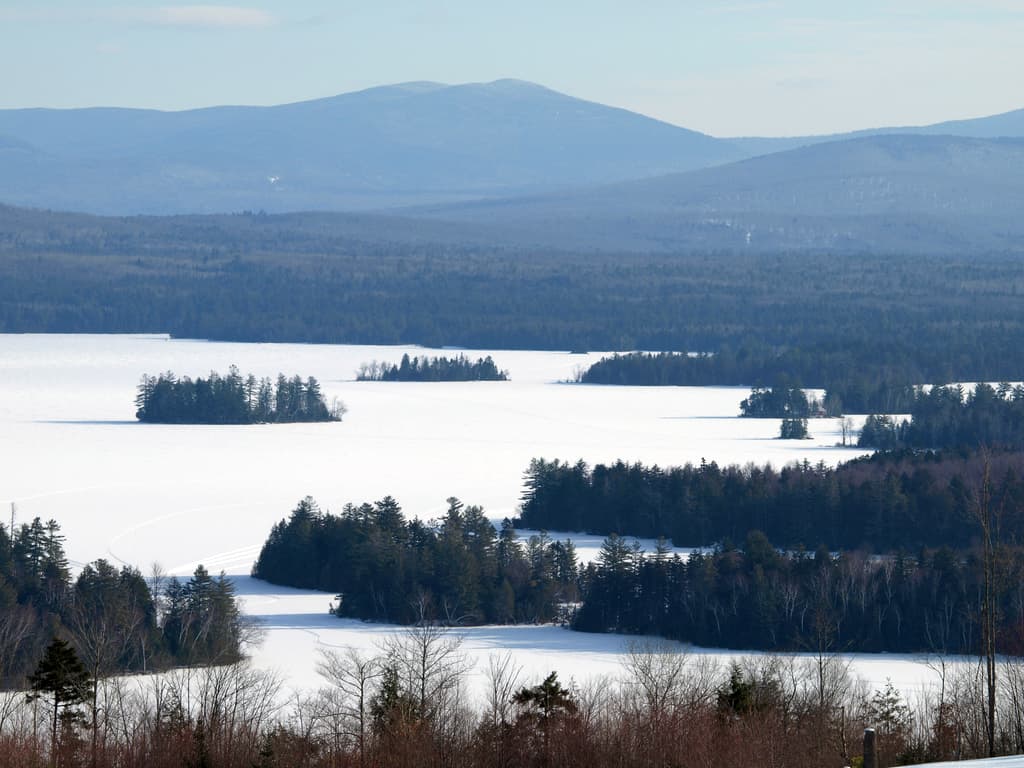
After the long drive north, this is where the trip actually begins — the moment the trees part and the lake opens up, dark spruce-fir forest doubled perfectly in the water's surface. Ease in slowly: rent a kayak from a lakeside outfitter and paddle one of the calmer coves rather than pushing for distance on your first afternoon. The only sounds are your paddle dipping and, somewhere across the water, the wavering call of a loon. This is an easy, forgiving introduction to the lake — save the sunrise mission for tomorrow.

Lake Umbagog
U. S. Fish and Wildlife Service - Northeast Region / wikimedia (Public domain)
Head toward the northwestern coves in the last two hours before sunset — the island backdrops catch beautiful low light and the water is usually calmest here.
Shoreline access points are unpaved and uneven; benches are sparse, so bring your own seating if you plan to linger.
Optional detour: Magalloway Mountain overlook areaAfter the afternoon paddle and before evening wind-down
A short detour here rewards you with wide-angle vistas over the lake and surrounding forest, especially dramatic if clouds are breaking up after a rain shower. Skip if: Skip if you're tired from travel or if low cloud/fog is obscuring the view — save the energy for tomorrow's sunrise session instead.
If it rains: If rain moves in, paddling is still possible in light showers, but heavier rain makes the water rough and visibility poor — consider a quieter orientation afternoon in Errol or Berlin instead, and shift the paddle to tomorrow's forecast window.

Day one is really about the drive in and the transition from wherever you've come from into this slower, quieter rhythm — there's no need to rush the morning if you're arriving from a distance.

The afternoon is your first real contact with the lake: a gentle paddle into a calm cove, no agenda beyond noticing how the light changes on the water and how quickly the outside world's noise falls away. Take it easy — this is about settling in, not covering ground.

As the light goes gold and then gray, head back to your lodge or cabin for an early dinner — most local dining wraps up by 8pm, so don't wait too long. Let the day end quietly; the stars out here, far from any real light pollution, are worth stepping back outside for before bed.

Peak lake immersion

Day 2: Sunrise, Stillness, and Wide Water

The core day of the trip — an early sunrise session followed by a longer daytime paddle and viewpoint exploration, covering roughly 3–4 miles between walking and paddling.

Wear
Warm layers for the cool pre-dawn air, a waterproof shell, quick-dry clothing for midday paddling, and sun protection for the open water once the sun is fully up.
Budget
$60–90 (kayak or canoe rental, meals, optional trail access)
6:30 AM - 10:30 AM
Lake Umbagog · morning · 240 min · Lake Umbagog & Wilderness Waters

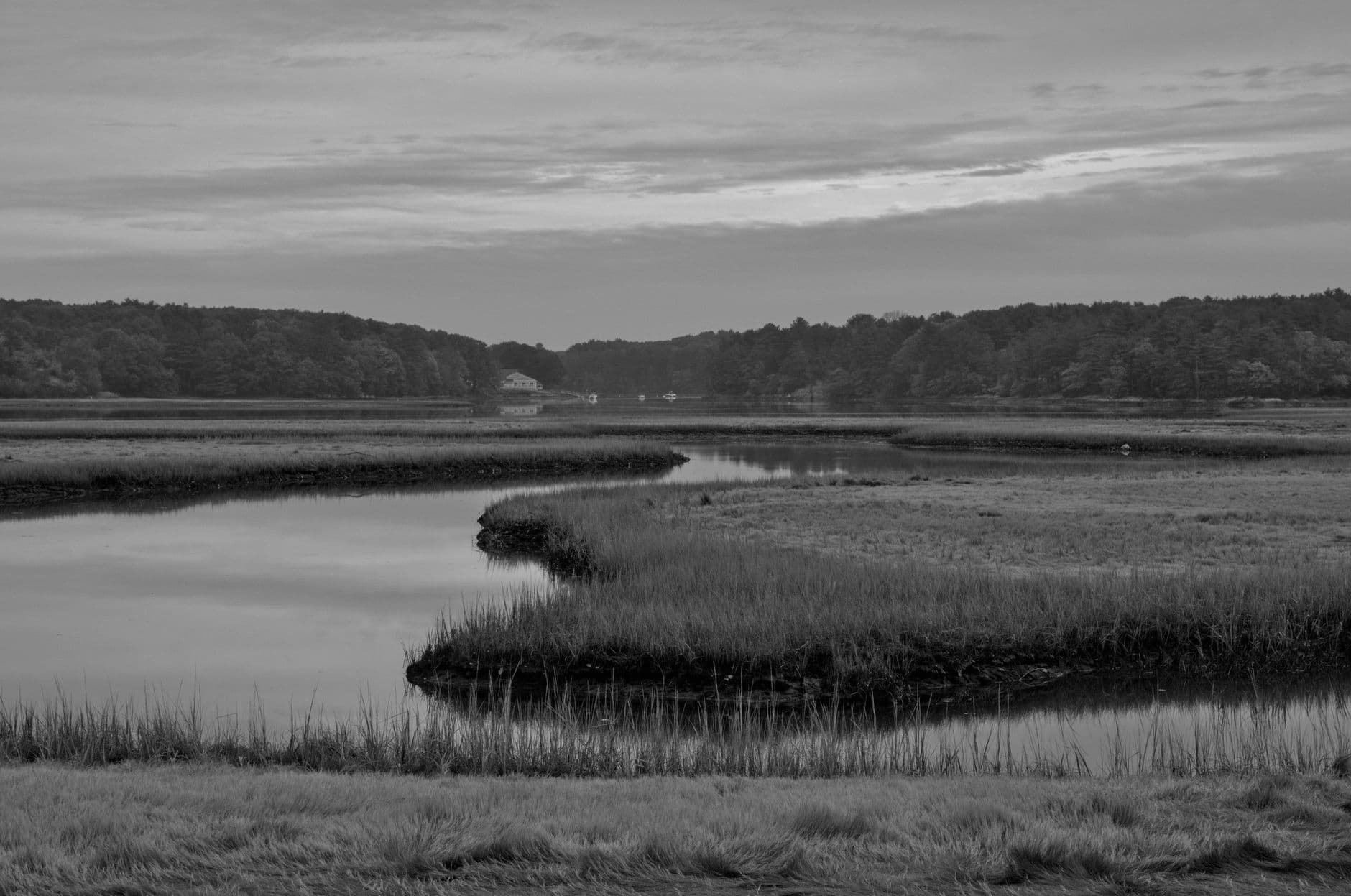
This is the session to set an alarm for. Arrive by 6:30am and the eastern shoreline will likely be yours alone — mist curling off water so still it looks solid, forest reflected without a ripple, the occasional loon call cutting through the silence. By 9am, other paddlers and boats start appearing; the stillness you get in that first hour is genuinely rare and worth the early wake-up, especially for a solo traveler who doesn't need to coordinate anyone else's schedule. Bring a thermos of coffee and just sit with it before you even get in a boat.

Lake Umbagog
U. S. Fish and Wildlife Service - Northeast Region / wikimedia (Public domain)
The eastern shoreline at sunrise is the single best photo opportunity of the trip — mist, still water, and forest reflection combine best in the 30–45 minutes right after sunrise.
Terrain along the shoreline is uneven and unpaved; there is no wheelchair access to most viewing points, though limited accessible parking exists near the main access area.
15 min walkA short walk back to the outfitter dock to swap gear or grab a snack before heading back out on the water.
11:00 AM - 1:00 PM
Lake Umbagog · midday · 120 min · Lake Umbagog & Wilderness Waters

After a mid-morning break, head back out for a longer paddle toward the open water and Magalloway Mountain overlooks, where the lake widens and the mountain backdrop gives real scale to the wilderness around you. This is a good stretch for a slow lunch on the water — pack something simple, find a quiet inlet, and let the midday light show off the scenery differently than sunrise did. It's a rare kind of solo travel luxury: no schedule to keep, no one else's pace to match.

Lake Umbagog
U. S. Fish and Wildlife Service - Northeast Region / wikimedia (Public domain)
Point your camera toward Magalloway Mountain from open water around midday for the widest, clearest vistas — the light is flatter than sunrise but the visibility is often best.
Open-water paddling requires moderate physical ability; those with mobility concerns should stick to the accessible shoreline viewing areas instead.
Optional detour: Magalloway Mountain overlookAfter the midday paddle and before heading back for the evening
If energy allows, a short trail detour up toward the overlook gives a completely different, elevated perspective on the lake and surrounding forest that you can't get from the water. Skip if: Skip this if you're already tired from the morning paddle or if afternoon rain is rolling in — the lake itself has already given you the day's best moments.
If it rains: If steady rain sets in, hold off on the open-water paddle — light drizzle is manageable, but rough water and poor visibility aren't worth the risk solo. Wait it out at your lodge or head into Errol or Berlin for a slower, indoor afternoon before trying the water again if conditions improve.

Set the alarm early and get to the eastern shoreline before sunrise — this is the single most memorable window of the whole trip, when mist hangs over glass-still water and the only company is a distant loon. Sit with it a while before paddling; the stillness alone is worth the wake-up call.

After a short break, head back out for a longer midday paddle toward the wider water and mountain views, pacing yourself and stopping wherever the light or the quiet asks you to. This is unstructured time by design — let curiosity, not a clock, decide how long you linger in any one cove.

Wind down with an early dinner near your base — local kitchens tend to close by 8pm, so don't push it too late — and spend the last hour of daylight back at the shoreline if you can. Once full dark settles in, step outside again: the night sky here, free of city light, is its own kind of quiet spectacle to close out the trip.

Want to tweak this trip?

Our AI planner can customize this itinerary to your exact dates, interests, and travel style.

Customize This Itinerary
Good to Know

Restaurant details (hours, menus, availability) change frequently, and this remote region has limited mapped dining data — check current hours before visiting and consider packing meals as backup.

Dietary compatibility tags are general guidance. If you have severe allergies, confirm directly with any restaurant or lodge kitchen before ordering.

Travel tips are general guidance, not professional safety advice. Check government advisories and local ranger/lodge staff for current wilderness conditions before heading out solo.

All prices are approximate and may vary seasonally, especially for kayak/canoe rentals during peak summer months.
We use cookies to improve your experience and analyze site usage. Essential cookies are always active. You can customize your preferences or accept all cookies. Cookie Policy