Great North Woods, New Hampshire
2-Day Itinerary for Solo Traveler
“Silence and Snowlight: Two Days at Lake Umbagog”
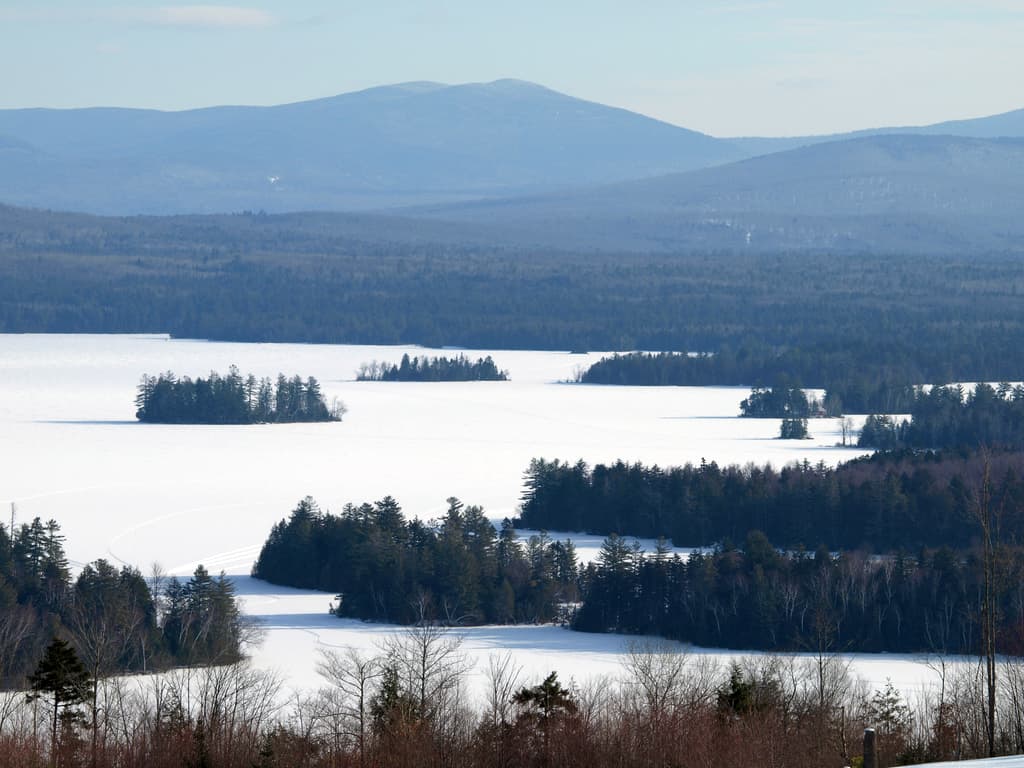
Out here, winter doesn't just change the scenery — it silences it. Lake Umbagog freezes into a vast white plain ringed by black spruce, and the only sounds are your own footsteps and, if you're lucky, the distant complaint of a raven. This is a trip for travelers who want the woods to themselves.
At a Glance
Highlights
- Sunrise over a frozen, mist-veiled Lake Umbagog
- Star-drenched skies with near-zero light pollution
- Solitary snowshoe routes with moose tracks for company
- Warming up at small-town lodges where the innkeeper remembers your name
- Golden-hour light on ice-rimmed coves
- Deep quiet — the kind that takes a day to settle into your body
Day-by-Day Plan
Day 1: Arrival and First Light on Still Water
A gentle arrival day focused on orienting to the region and a soft first encounter with Lake Umbagog, with roughly 2–3 miles of easy walking and low physical exertion.
After the long drive north, this is the reward: a lake gone still and white, its far shore softened by spruce and low winter haze. There's no paddling today — the water wears its winter coat of ice — but the eastern shoreline offers an easy, flat-enough walk to take in scale and silence that no photograph quite prepares you for. Arrive with low expectations of drama and you'll be surprised by how loud the quiet actually is; even a raven's call carries for what feels like a mile.
Day one is about arrival, not adventure — most of the morning will be consumed by the drive north from Manchester or Boston, a journey that itself becomes part of the transition into the Great North Woods. Watch the terrain change as you go: suburbs give way to farmland, farmland to unbroken forest, and cell bars disappear one by one. Use this time to mentally shift into the slower rhythm the region demands.
By early afternoon, once you've checked in and shed the car, head to Lake Umbagog for a first, unhurried look. This isn't the day for a full loop or long snowshoe trek — it's the day to simply stand at the shoreline and let the scale of the place register. Bring a thermos if you have one; there's nowhere to grab a hot drink out here, so plan ahead.
Dinner options directly in the immediate wilderness area are not part of the mapped data for this trip, so plan your evening meal around your base town rather than the lake itself — ask your innkeeper for their current recommendation, since hours shift seasonally and reserved locals often know what's actually open on a given winter night. Turn in early; tomorrow's the big day, and the cold makes an early bed genuinely appealing.
Day 2: Full Immersion on the Frozen Lake
The primary wilderness day, centered entirely on Lake Umbagog with an early start for solitude and golden light, covering an estimated 3–4 miles of walking on established, low-difficulty terrain.
Arrive by 7:30am and the lake is entirely yours — no other footprints in the snow, no voices, just mist rising faintly off any open water and the first pink light catching the eastern ridgeline. This is the golden hour the region is genuinely famous for among photographers, and in winter it's even more dramatic: the low sun skims the ice at a raking angle for hours, not minutes. Take the extended morning here — walk the shoreline slowly, watch for moose tracks pressed into the snow near the tree line (a real possibility at this hour), and let the disorienting scale of the place sink in. By late morning, if anyone else shows up at all, it'll only be one or two other solitary visitors — this lake sees minimal winter traffic.
After a midday break to warm up and refuel, return for a second, shorter session — this time focused on the northwestern coves, where island silhouettes break up the frozen expanse and the afternoon light shifts the whole mood from pink-gold to a cooler, more austere blue-white. Fewer people means more room for quiet reflection here than almost anywhere else in New England; bring a notebook or simply sit for a while on a fallen log if the cold allows. Days are short in winter — plan to be back at the car well before the 4pm light drop.
Set an early alarm — the whole point of today is claiming the lake before anyone else does. Drive out in the dark or near-dark, arrive as the sky starts to lighten, and spend the extended morning simply present at the shoreline: watching light change, listening for loons or ravens, scanning the tree line for moose. There's a rare kind of mental reset that happens in this kind of prolonged, undisturbed quiet — give it the full four hours if the cold allows, moving occasionally to stay warm.
Warm up properly over lunch — pack food if you're staying near the lake, since dining options directly at the wilderness edge aren't part of what's mapped here, and plan real meals around your base town instead. Then head back out for a second, shorter session at the northwestern coves, where the character of the ice and light is noticeably different from the morning — colder, bluer, more dramatic in a quieter way. This is the kind of day that rewards patience over ambition; there's no rush to check off destinations.
With the sun gone by 4pm, the evening stretches long — use it to defrost, review the day's photographs, and consider that many establishments in this region wind down early, often by 7 or 8pm, so don't wait too late to sort out dinner. If your lodging offers any kind of communal space (a shared lodge sitting room, a small inn's common table), this is where solo travelers often find the best conversation of the whole trip — locals and fellow wanderers alike tend to open up once the woodstove's going and the dark presses in outside.
Want to tweak this trip?
Our AI planner can customize this itinerary to your exact dates, interests, and travel style.
Customize This ItineraryRestaurant details (hours, menus, availability) change frequently, especially in winter in this region. Check current hours before visiting.
Dietary compatibility tags are general guidance. If you have severe allergies, confirm directly with any restaurant or lodge kitchen.
Travel tips are general guidance, not professional safety advice. Lake ice conditions vary significantly year to year — always confirm current conditions locally before venturing beyond marked shoreline areas, and check government or local advisories for the latest information.
All prices are approximate and may vary seasonally.