Great North Woods, New Hampshire
3-Day Itinerary for Active Retirees
“Stillness on Umbagog: Three Winter Days in the Great North Woods”
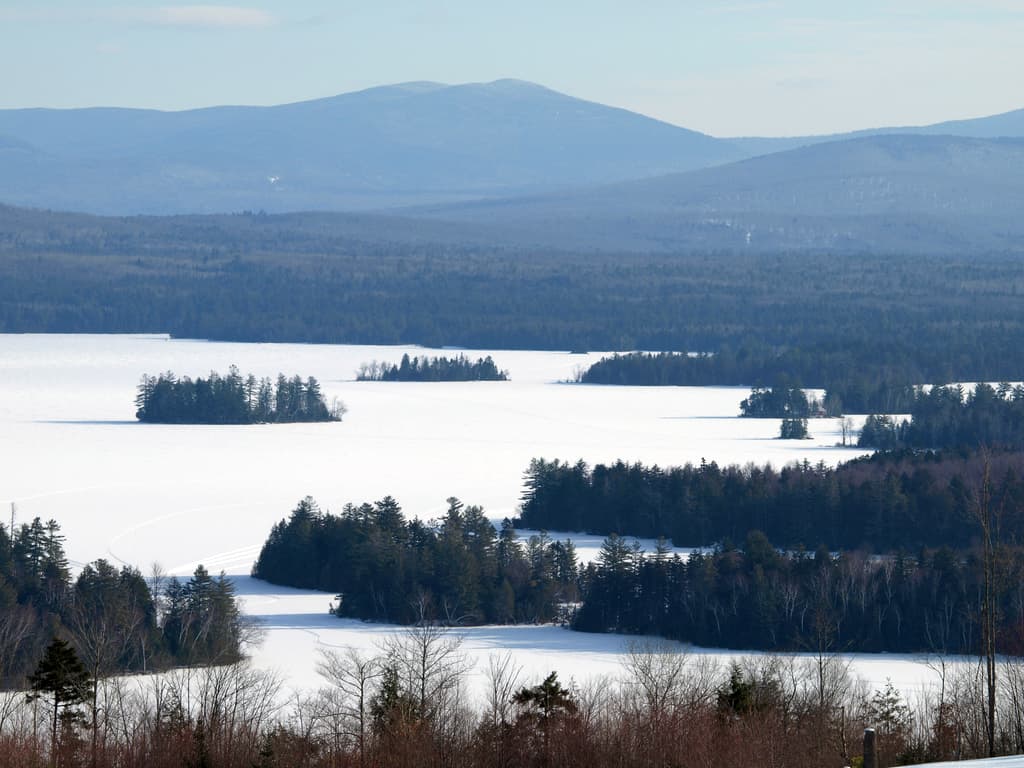
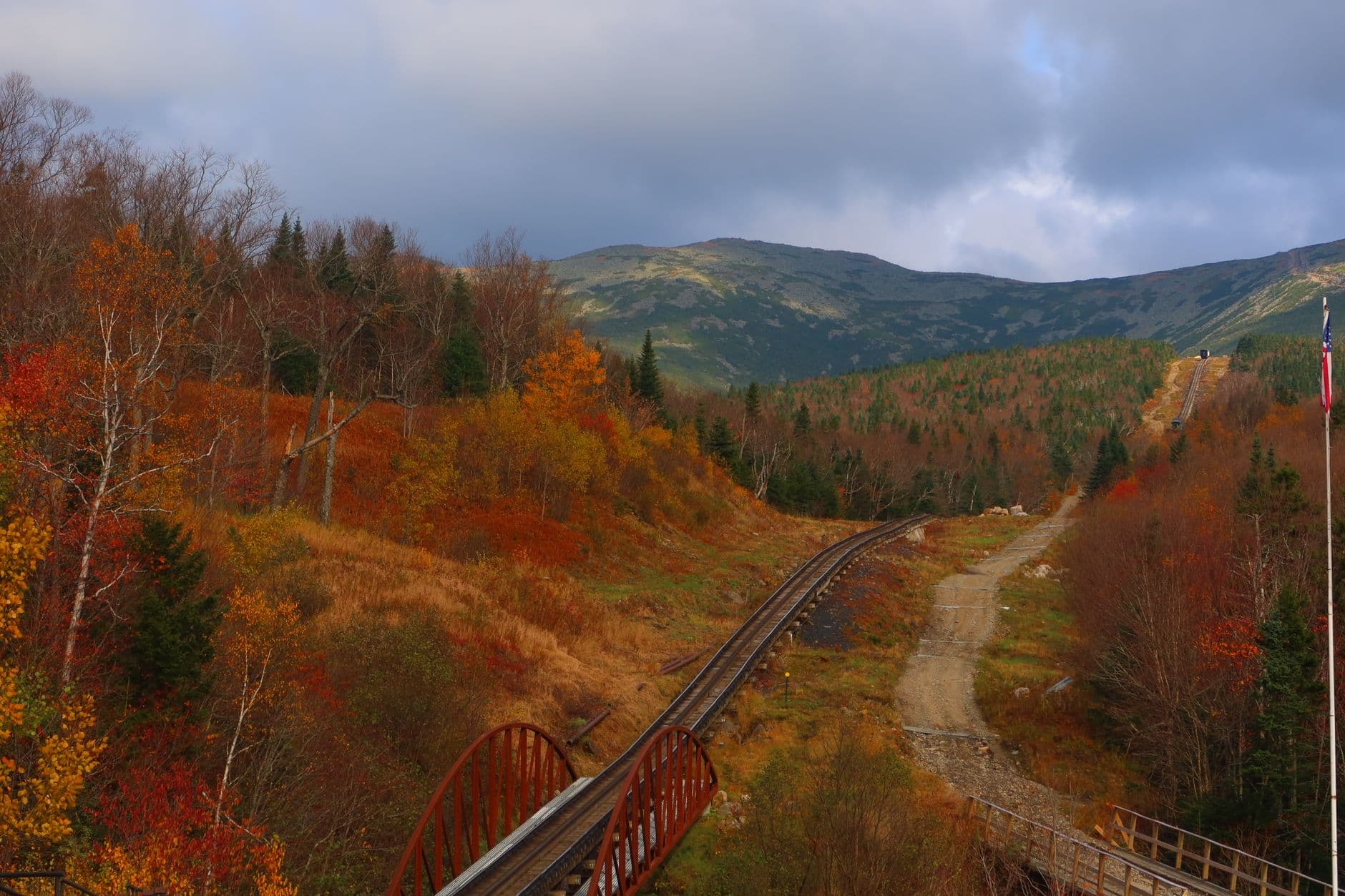
Here, winter doesn't rush anything—the lake freezes into a vast white hush, spruce boughs bow under snow, and the loudest sound most mornings is your own breath in the cold. This is a trip measured in long views and short walks, where the reward is stillness rather than spectacle.
At a Glance
Highlights
- Sunrise mist and ice-glass silence over frozen Lake Umbagog
- Slow, bench-paced shoreline walks with wide mountain views
- Wildlife watching for moose at dawn and dusk from the safety of the car
- Golden-hour light on Magalloway Mountain's snowy overlooks
- Early-arrival solitude before any other visitors appear
- Unhurried lodge mornings and early, hearty New England dinners
- A true dark-sky night far from any city glow
Day-by-Day Plan
Day 1: Arrival & First Light on the Frozen Shore
A light arrival day with one unhurried stop at Lake Umbagog's accessible shoreline, totaling under a mile of walking at an easy pace.
On arrival day, this is less about covering ground and more about letting the silence settle over you—ice creaking faintly at the shoreline, snow-laden spruce standing perfectly still, the whole lake gone quiet and white under a pale winter sky. Stick to the accessible parking and viewing areas near the shore; benches are sparse this time of year but the wide-open views more than make up for it. Arriving in early afternoon avoids the coldest morning temperatures while still giving you good light for a first look at the place.
Today is about arrival, not achievement—expect a long drive north on quiet rural roads, snow-dusted fields opening up as the terrain rises and the woods thicken. There's no rush; take the morning to check into your lodge, unpack warm layers, and let your body adjust to the cold and the quiet before heading out.
By early afternoon, once you're settled, head to Lake Umbagog's accessible shoreline for a first gentle look at the region's centerpiece. The lake in winter is a study in stillness: ice creeping from the edges inward, snow muffling every sound, distant ridgelines fading into soft gray-blue haze. This is a slow, standing-and-looking kind of stop—no strenuous walking required, just time to take it in.
With dinner options limited and early closing hours typical in winter, plan to eat on the earlier side, ideally between 5 and 6:30pm, and settle in for a quiet evening. This is dark-sky country—if the clouds clear, step outside briefly before bed; the stars here are extraordinary, far from any city glow.
Day 2: The Lake in Deep Winter Light
The day's primary activity, a longer, unhurried visit to Lake Umbagog at its most photogenic hour, with light walking under a mile total.
Arrive by 8:30am and you'll likely have the eastern shoreline entirely to yourself—winter visitation here is minimal, and the early light through mist over partially frozen water is the kind of scene that rewards patience rather than hurry. Watch quietly for moose along the tree line at this hour; they're most active at dawn, though always view from a safe distance and never approach. The forest reflection in unfrozen coves, when present, is almost perfectly mirrored in the still, cold air—a rare, meditative sight best appreciated slowly, with breaks on any available bench or your vehicle's tailgate to rest and simply watch.
After a midday break to warm up, return to a different vantage—ideally the Magalloway Mountain overlook access point—for a wide-angle view of the frozen lake basin and surrounding peaks. The afternoon light here is softer and less harsh than morning glare off snow, making it more comfortable for extended standing and viewing. This second, shorter visit lets you experience the lake's different moods within a single day without repeating the same walk twice.
Set out early, well before the light fully rises, for the best chance at a private hour with the lake. The eastern shoreline in winter is hushed and cold, mist curling off any open water, the forest standing dark and silent along the edges. Move slowly, pause often, and keep eyes on the treeline for moose—dawn is their most active hour, and even a distant sighting from the safety of the car is a genuine thrill.
After warming up over a midday break, shift to a different vantage point near Magalloway Mountain for a broader, more sweeping view of the frozen basin. The pace here is unhurried and largely stationary—less about walking and more about standing, watching, and letting the scale of the place settle in. The light softens as the afternoon wears on, ideal for comfortable, glare-free viewing.
With winter hours in effect across the region, plan an early dinner and a quiet evening back at your lodge. If skies are clear, this is prime dark-sky territory—stepping outside after dinner rewards you with a sky dense with stars, a fitting close to a day spent almost entirely outdoors in stillness.
Day 3: A Slow Farewell to the Woods
A light final morning revisiting the lake's accessible viewpoint before departure, with minimal walking and an easy pace.
A final, shorter visit to the lake's accessible shoreline offers one last quiet look before the drive home—arriving by 9am still gives a good window of low visitation and calm light. This is a gentle, reflective stop rather than a new adventure: no long walk, just a chance to stand once more at the water's edge and take in the scale and silence of the place before returning to the pace of everyday life.
Keep this final morning unhurried—one last stop at the lake's edge, without any pressure to see something new. The stillness that defined the whole trip is present again here: quiet water, snow-hushed forest, perhaps a final glimpse of movement along the treeline. Let yourselves simply stand and look before turning back toward the car.
With the morning stop complete, the remainder of the day shifts to travel—settling into the drive south, watching the deep woods gradually give way to more familiar towns and roads. There's no rush; winter roads reward a slower pace, and the return trip is as much a part of the North Woods experience as the days spent still beside the lake.
By evening you'll likely be well on your way home or settling into a stop along the route south; there's no evening activity scheduled for today, allowing for flexibility around road conditions and travel time.
Want to tweak this trip?
Our AI planner can customize this itinerary to your exact dates, interests, and travel style.
Customize This ItineraryRestaurant and dining details for this remote region change frequently and seasonally; call ahead to confirm hours before visiting, especially in winter when many establishments operate reduced schedules.
Dietary compatibility information was not available for this itinerary's dining recommendations; confirm directly with any establishment regarding allergies or specific dietary needs.
Travel and safety tips provided here are general guidance only, not professional safety advice; check current road conditions, weather advisories, and local guidance before and during your trip.
All prices and spending estimates are approximate and may vary seasonally or with individual choices.