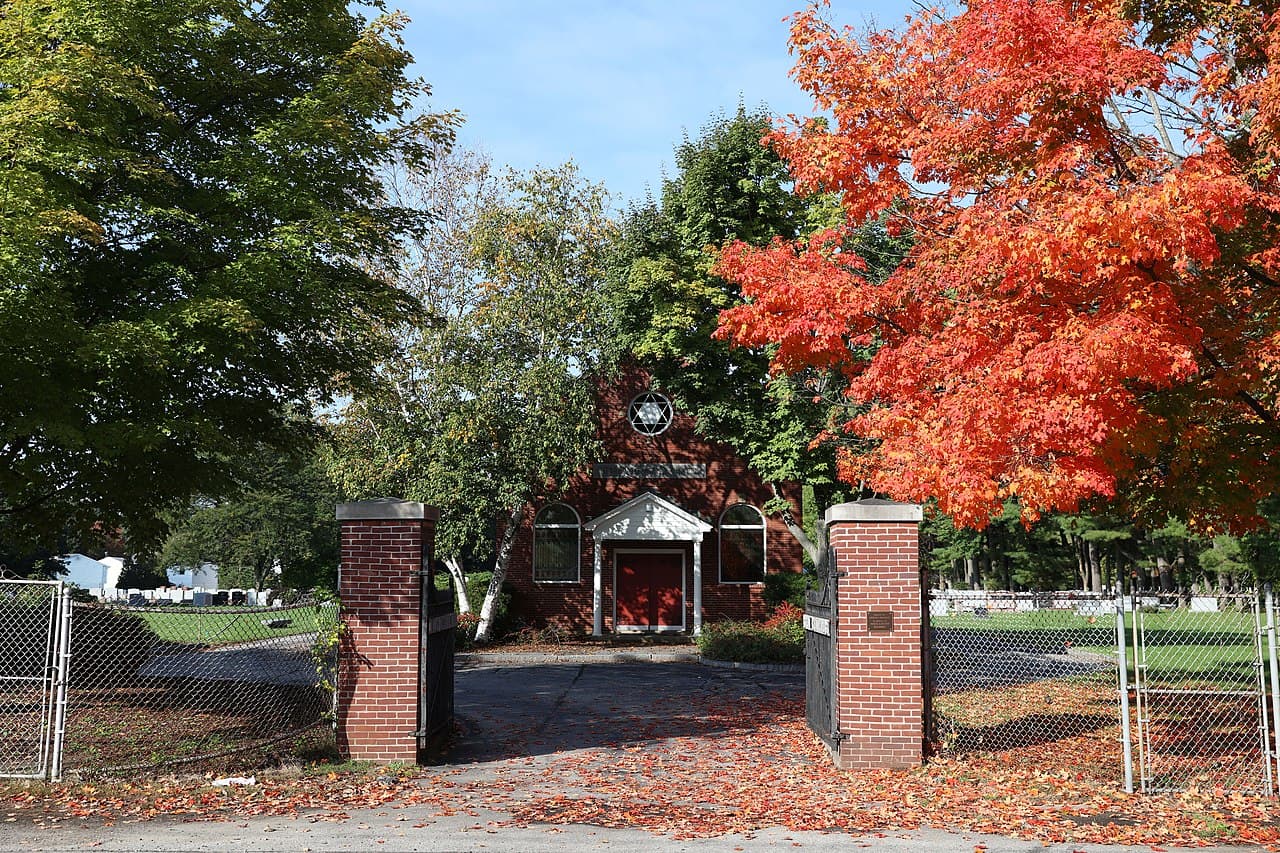
Great North Woods, New Hampshire
3-Day Itinerary for Solo Traveler
“Silence, Water, and Stars: 3 Days Alone on Lake Umbagog”
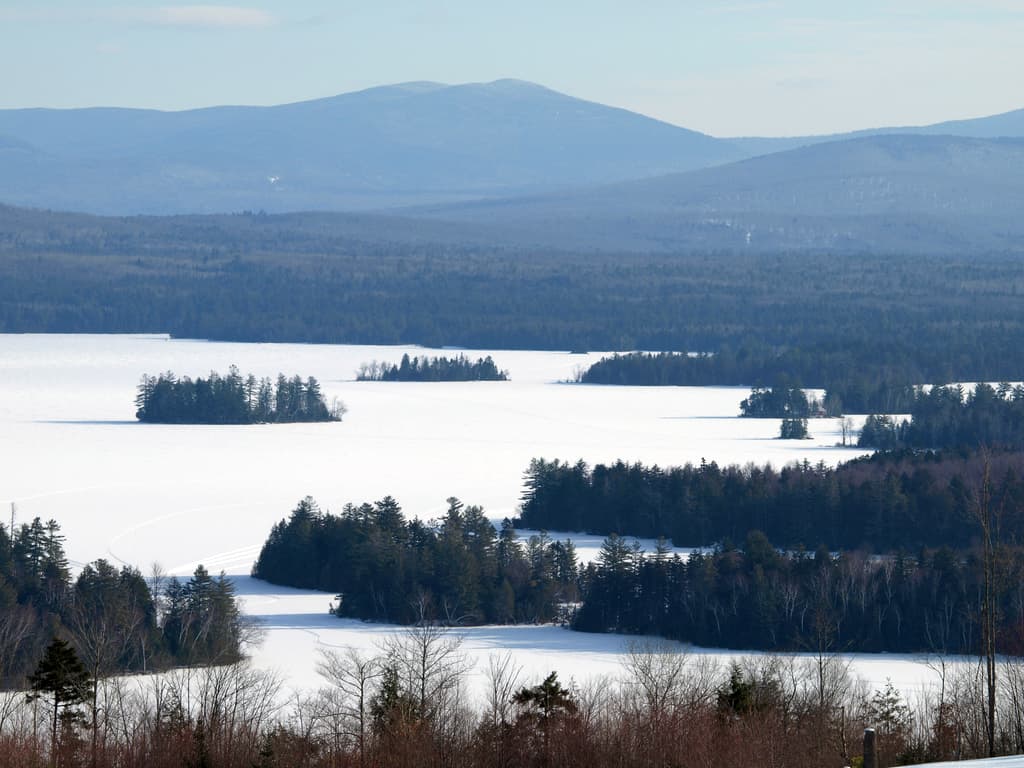
Out here, silence has weight — the kind that settles into your shoulders as the paddle drips and a loon calls from somewhere you can't quite place. This is a trip built for one, at a pace only one person can set, in a corner of New England where moose still outnumber people.
At a Glance
Highlights
- Sunrise paddle on Lake Umbagog with mist still lifting off the water
- Golden hour at the northwestern coves, islands floating in low light
- Wide-angle vistas from Magalloway Mountain overlooks
- Loon calls and still water — solitude as the main event
- Flexible, unhurried pacing built for solo rhythm
- Star-heavy nights with minimal light pollution
Day-by-Day Plan
Day 1: Arrival and First Water
A gentle arrival day with one relaxed paddling session on Lake Umbagog, minimal driving, and an early night to reset — roughly 1–2 miles of easy walking and low-to-moderate energy output.
After the long drive north, this is where the trip actually begins — not with a landmark, but with stillness. Ease onto the water for a relaxed, exploratory paddle along the eastern shoreline; there's no itinerary pressure here, just the slap of paddle against glassy water and the distant, unmistakable wail of a loon. Take it slow today — this is arrival, not achievement, and the lake rewards unhurried attention.
Day one is really an afternoon — budget the morning entirely for travel, whether you're driving up from Manchester or Boston. Take the drive slow; this is remote country, and the roads themselves start the decompression process long before you reach the water.
Once you've settled in, head straight to Lake Umbagog for a low-key, exploratory paddle. There's no checklist here — just the chance to feel the scale of the place, hear how quiet it really gets, and let the first loon call remind you why you came.
Wind down early. Dinner options directly on the water are limited, so plan your evening meal around wherever you're staying — many kitchens in the area close by 8pm, and turning in early sets you up for tomorrow's sunrise launch.
Day 2: Sunrise to Summit
The core wilderness day — an early sunrise paddle followed by a mid-morning extension toward Magalloway Mountain overlooks, totaling roughly 3–4 miles between paddling transitions and short trail walking at moderate energy.
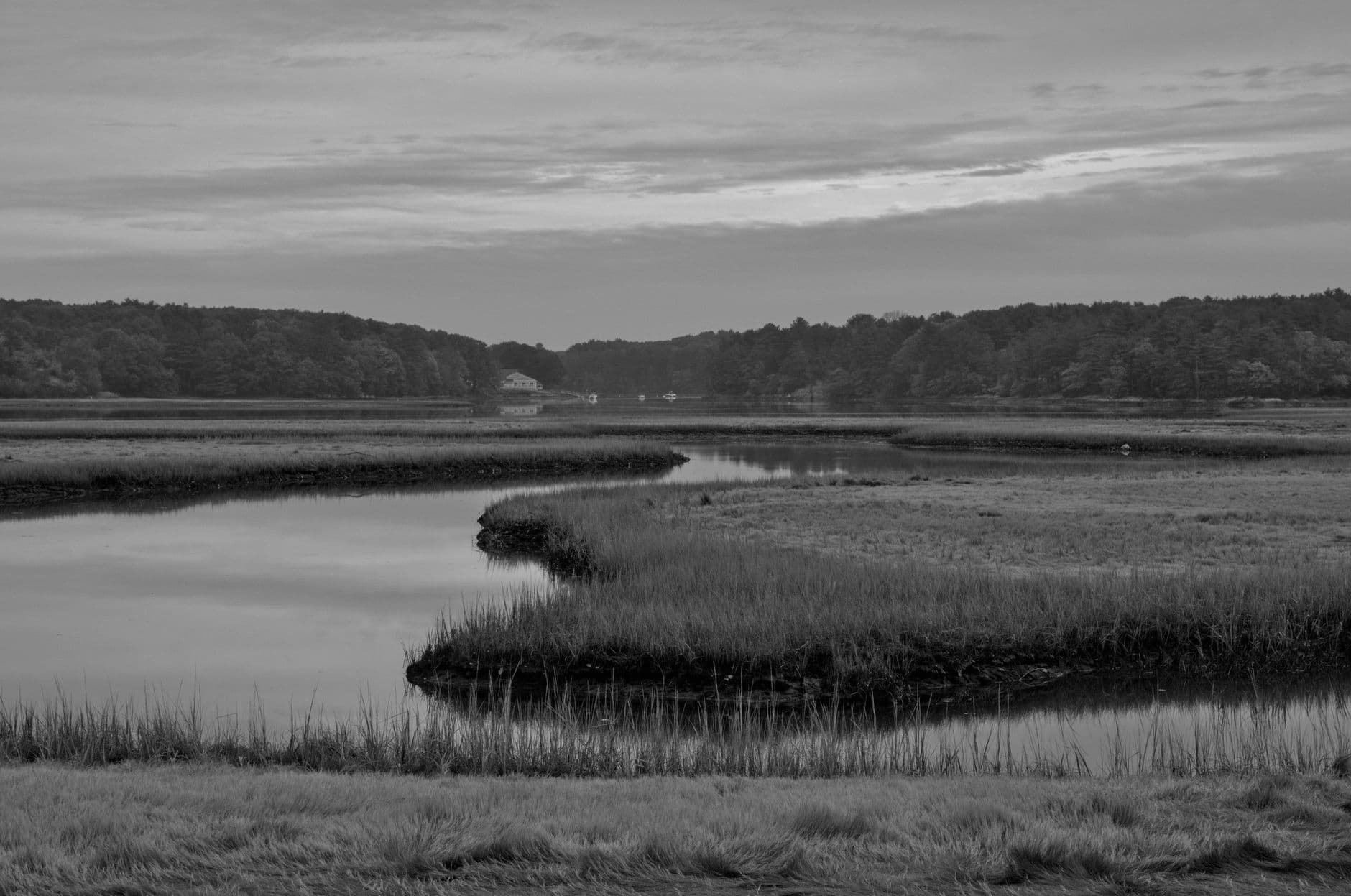
Arrive by 6am and the lake is yours — mist still lifting off the surface, the forest doubled in perfect reflection, no other paddlers in sight. This is the payoff for an early alarm: by 9am, weekend traffic on the water picks up, but right now it's just you, the loons, and the sound of your own paddle. Head toward the eastern shoreline first for the sunrise mist, then work north toward the coves.
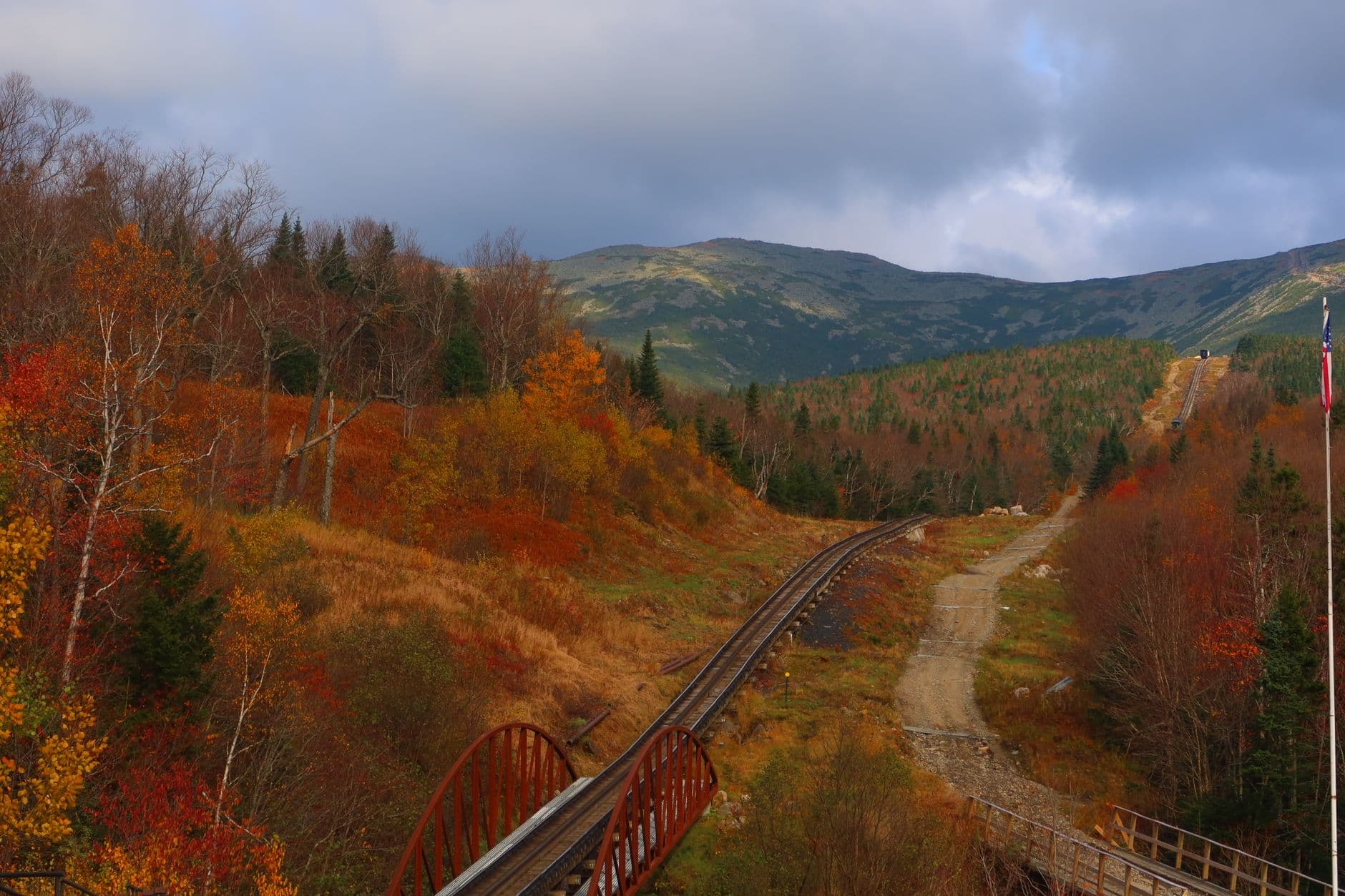
After the sunrise paddle, shift toward the Magalloway Mountain overlooks for a wide-angle change of pace — trading water-level intimacy for sweeping vistas over the lake and surrounding wilderness. It's a different kind of scale entirely, and a good stretch for the legs after hours of paddling.
Set the alarm early — this is the sunrise paddle worth losing sleep over. Launch at Lake Umbagog by 6am and glide out into mist-veiled stillness, the eastern shoreline glowing as the sun clears the treeline. There's a real solitude to being the only person on the water this early, and it's the kind of quiet that's hard to describe until you've paddled through it yourself.
After hours on the water, the pace shifts — a scenic drive climbs toward the Magalloway Mountain overlooks, trading paddle strokes for wide-open vistas. The forest road narrows and winds, the lake disappearing and reappearing through gaps in the trees, until you emerge at an overlook that puts the entire scale of the wilderness into perspective.
Plan dinner early, as is the local rhythm — many kitchens close by 8pm. With no on-water dining data to point to directly, it's worth building your evening meal around wherever you're staying in Berlin, Lancaster, or a lakeside lodge, and easing into a slower night. Clear summer skies here mean genuinely dark, star-heavy nights — worth stepping back outside after dinner before turning in.
Day 3: Last Light on the Water
A lighter final day centered on one more relaxed paddle and photography session before departure, with minimal walking (under 2 miles) and low energy demand to ease the transition back out.
One last paddle before the drive out — arrive by 7:30am and you'll likely have the northwestern coves nearly to yourself, island silhouettes still soft in early light. There's no agenda today beyond noticing things: the way sound carries differently over water, the particular green of spruce-fir at this hour. Let this be the slow close to the trip rather than a rushed checklist stop.
Rise early one more time for a final, low-key paddle through the northwestern coves — the light here is gentle, the islands still, and there's a particular satisfaction in ending the trip the same way it began: alone on the water, unhurried.
With the paddle wrapped up and gear packed away, shift into departure mode. The drive out is long, so leave enough daylight buffer, and watch for moose near the roadside as dusk light stretches — this is prime crossing time even in daytime shadow along forest edges.
Depending on flight or drive timing, evening may simply mean being back on the road south toward Manchester or Boston. If there's time before departure, a final unhurried meal in Berlin or Lancaster is a fitting close, though specific dining options should be chosen based on what's open along your route that day.
Want to tweak this trip?
Our AI planner can customize this itinerary to your exact dates, interests, and travel style.
Customize This ItineraryRestaurant details (hours, menus, availability) change frequently, especially in this seasonal, low-density region. Check current hours before visiting.
Dietary compatibility tags are general guidance. If you have severe allergies, confirm directly with the restaurant or lodge kitchen.
Travel tips are general guidance, not professional safety advice. Always inform someone of your solo hiking or paddling plans and check current government and park advisories.
All prices are approximate and may vary seasonally, especially during peak summer demand.