Great North Woods, New Hampshire
3-Day Itinerary for Solo Traveler
“Ice, Silence, and the Loon's Last Call: 3 Days Alone on Lake Umbagog”
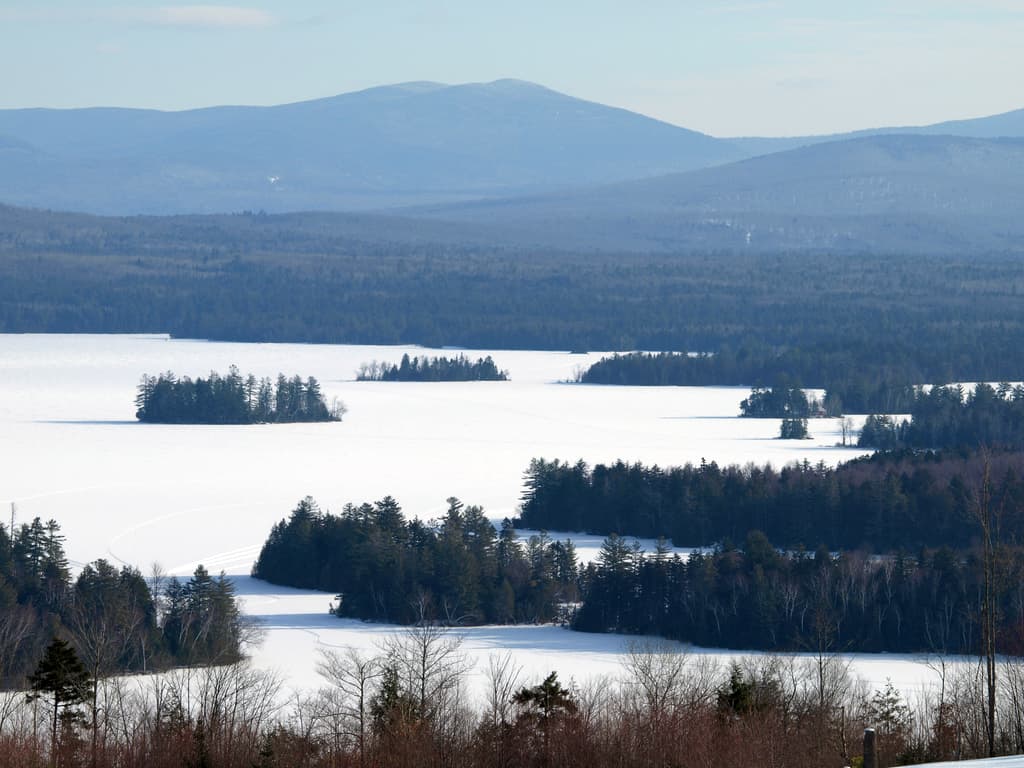
Up here, winter doesn't announce itself gently — it settles over Lake Umbagog like a lid, silencing the loons and turning the shoreline into a hush of white and gray. This is a trip for a traveler who wants solitude on purpose: single-track snowshoe trails, steam rising off your coffee in a nearly empty lodge, and a sky at night so thick with stars it feels like static.
At a Glance
Highlights
- Sunrise stillness over frozen Lake Umbagog with zero other footprints in the snow
- Solo snowshoe or short paddle-adjacent trail walks through spruce-fir silence
- Moose-country dawn drives with genuine chance of wildlife sightings
- Low-crowd winter access to New Hampshire's most remote great lake
- Star-saturated dark skies far from any real light pollution
- Hearty, unpretentious New England comfort food after cold-weather adventure
- Communal-style lodge dining where solo travelers strike up easy conversation
Day-by-Day Plan
Day 1: Arrival & First Stillness on the Shoreline
A gentle orientation day with one primary stop at Lake Umbagog, easy pacing to offset travel fatigue, and an early, unhurried evening — under 2 miles of walking total.
After the long drive north, this is where the trip actually begins — the moment the trees part and the lake opens up, flat and white and enormous under a low winter sky. In winter the water itself is mostly locked in ice, so this first visit is about the shoreline: the crunch of snow underfoot, the strange quiet of a lake that usually holds paddlers and loon calls now holding nothing but wind. As a solo traveler, this is an easy, low-effort introduction — walk a short stretch of accessible shoreline, breathe, let the scale of the place register before you commit to anything more strenuous tomorrow.
Today is largely a travel day — the drive north from Manchester or Boston takes several hours, winding onto Routes 2 and 3 as the towns thin out and the forest thickens. There's no rush; this is a solo trip built for arriving slowly, watching the landscape shift from highway sprawl to the wide, undeveloped quiet that defines the Great North Woods.
Once settled, the first stop is Lake Umbagog itself — not for a full expedition, just a short, grounding walk along the accessible shoreline as afternoon light flattens across the ice. It's cold enough that you'll feel it in your face within minutes, but the stillness is the point: no crowds, no soundtrack but wind and maybe a distant crow.
With dinner options limited and mostly unmapped this far out, plan your evening meal around whatever base town you're staying near — Berlin or Lancaster will have the most reliable hours — and keep it early, since many places wind down by 7 or 8pm. Turn in early tonight; tomorrow's the day with real mileage on it.
Day 2: Deep Into the Silence — Full Day at the Lake
The primary adventure day, spending an extended morning and afternoon around Lake Umbagog's trails and viewpoints, with roughly 3-4 miles of snow walking across the day.
This is the golden window — arrive by 7:30am and the lake is entirely yours, the eastern shoreline catching sunrise mist (or, in deep winter, a pale gold wash over snow and ice) with not another soul in sight. By 9am, even in a quiet season, you may start to see other early risers, so claim this time deliberately. Spend the morning on a scenic loop toward the Magalloway Mountain overlooks for wide vistas, moving slowly enough to actually notice things: the pattern of animal tracks crossing untouched snow, the particular silence of a frozen lake, the occasional distant call of a bird that hasn't yet given up on winter. This is genuinely solo-friendly terrain — well-marked enough to navigate confidently alone, remote enough that it still feels earned.
After a midday break, return to a different stretch of shoreline — the northwestern coves — for a slower, more contemplative afternoon session. Golden hour comes early in winter, so this second visit is timed deliberately to catch the light shift as afternoon tips toward evening, the coves' island backdrops turning silhouette-dark against a lowering sun. This lighter second half of the day is ideal solo pacing: no pressure, just presence, camera in hand, boots crunching a slightly different path than the morning's.
Set an early alarm — this is the day's centerpiece, and the reward for arriving before 7:30am is having the entire frozen expanse of Lake Umbagog to yourself. The cold is sharp enough to notice immediately, but moving through the scenic loop toward the Magalloway Mountain overlooks keeps the blood flowing, and the silence out here — no engines, no voices, just snow underfoot and wind through spruce — is the whole reason to come this far north alone.
After warming up over a midday break, head back out to a different angle on the same lake: the northwestern coves, quieter and more sheltered, with island shapes rising out of the ice. The pace slows here deliberately — fewer miles, more standing still, watching how the light changes as the short winter afternoon starts sliding toward dusk.
With the day's physical effort behind you, dinner should be simple, warm, and early — plan to eat in whichever town you're based near, since options directly at the lake are limited and best treated as a pack-your-own-snacks situation rather than a dining destination. If your lodge has a common room or bar area, this is the moment to linger there instead of retreating straight to your room — a shared table over a hot meal is often where the day's stories (and moose sightings) get compared.
Day 3: Slow Morning, Long Drive Home
A lighter final day with one last unhurried visit to the lake before the drive south, keeping walking under 2 miles.
One last visit before the long drive south — arriving early again means the lake offers its quietest self as a send-off, ice and snow glowing faintly under a low winter sun. This final walk is shorter and less demanding than the previous day's full immersion, more a farewell lap than an expedition: a chance to notice details missed before, to sit with the scale of the place one more time before returning to noise and traffic.
There's no need to rush this last morning — one final, quieter visit to Lake Umbagog closes the loop nicely, especially if you return to the same eastern shoreline where the trip began. It's shorter than prior visits, more about closure than discovery, watching the same water that felt so foreign three days ago now feel almost familiar.
By midday, the drive south begins in earnest — several hours back toward Manchester or Boston, the dense, silent forest gradually giving way to more familiar sprawl. Use the first stretch of driving to mentally decompress; the deep quiet of the past few days tends to linger a little on the drive out.
Plan to be well on the road by evening, since dinner options directly in the Great North Woods thin out fast and driving after dark on rural roads carries real moose risk — better to grab something along the route south once you're closer to more populated areas and better lighting.
Want to tweak this trip?
Our AI planner can customize this itinerary to your exact dates, interests, and travel style.
Customize This ItineraryRestaurant details (hours, menus, availability) change frequently, especially in this seasonal, low-density region — call ahead before visiting, particularly in winter when many places reduce hours or close entirely.
Dietary compatibility tags are general guidance. If you have severe allergies, confirm directly with the restaurant, and be aware that formal dining data for this remote area is limited — pack backup snacks when in doubt.
Travel tips are general guidance, not professional safety advice. Check government advisories, local road condition reports, and lake ice safety bulletins for the latest information before heading out alone.
All prices are approximate and may vary seasonally; winter often means reduced services and correspondingly different cost structures than peak summer/fall season.