3 DaysTeen Families4 Stops

Great North Woods, New Hampshire

3-Day Itinerary for Teen Families

Ice, Silence, and Stars: 3 Days in the Great North Woods

Ice, Silence, and Stars: 3 Days in the Great North Woods

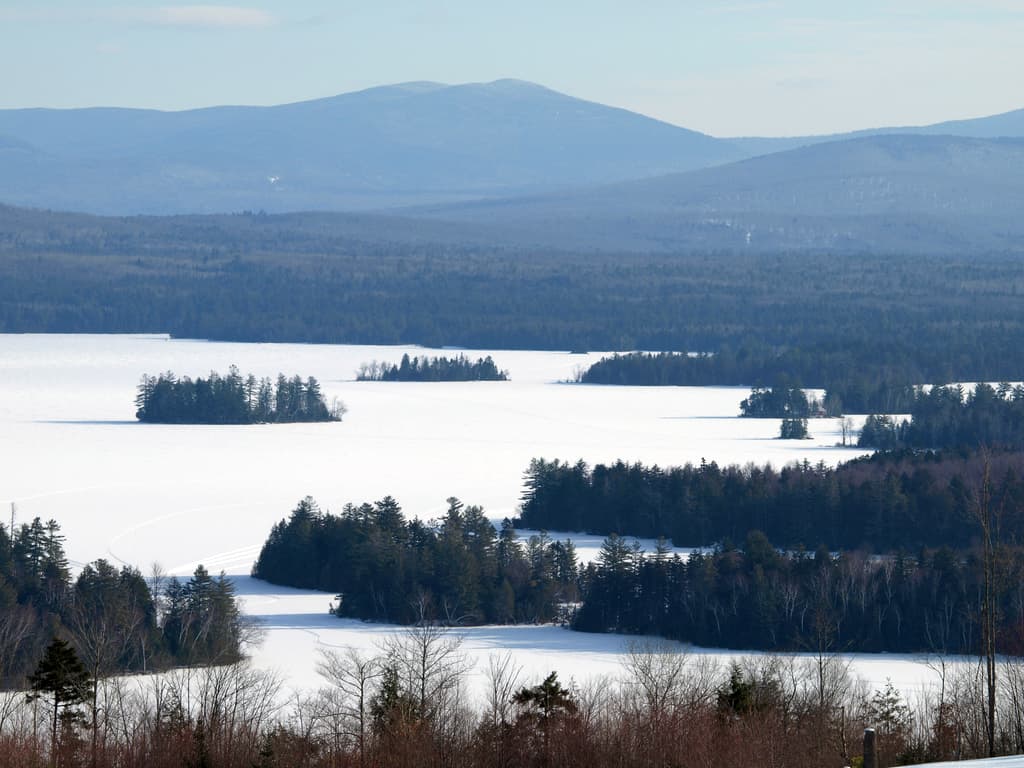
Out here, winter doesn't whisper—it takes over completely, silencing the forest under 40cm of snow and turning Lake Umbagog into a sheet of pale, cracking ice. This is the Great North Woods in its rawest season: fewer people, longer shadows, and a stillness that teenagers who've never unplugged might actually remember.

At a Glance

Climate & Weather
Expect brutally cold days, roughly -5 to -8°C, with 35-50cm of snow accumulation possible during the visit. Pack insulated waterproof jackets, thermal base layers, waterproof snow boots, wool socks, gloves, and a warm hat—layering is essential since mornings on the lake can feel far colder than the forecast suggests.
Getting Around
A car is non-negotiable here—there is no meaningful public transit. Roads around Berlin, Lancaster, and the Lake Umbagog area are well-maintained but can ice over quickly in winter, so allow extra drive time and keep a mid-tank of gas and emergency supplies in the vehicle.
Budget
Budget roughly $60-100 per person per day for food and activities—dining is casual and affordable, and most winter activities here (scenic drives, wildlife watching, short hikes) are low-cost or free, with gear rental as the main variable expense.
Safety
This is a low-crime, high-self-reliance region—the real risks are environmental, not human. Always tell someone your route before heading toward the lake or trails, carry a charged phone and paper map since cell service is patchy, watch for moose especially at dawn and dusk on rural roads, and respect how fast weather and ice conditions can shift.
Connectivity
Cell coverage is inconsistent and drops out entirely in more remote stretches near the lake; lodges and inns in Berlin and Lancaster typically offer WiFi, but treat this trip as a partial digital detox for teens rather than a fully connected one.
Local Tips
Many restaurants close by 8pm and some scale back hours entirely in winter, so plan dinner early; dawn and dusk are prime moose-viewing windows but also prime driving hazard windows, so slow down on forest roads; and because the region is so quiet in winter, arriving early to any viewpoint means having it essentially to yourselves.

Highlights

  • Sunrise over a frozen, mist-wrapped Lake Umbagog
  • Moose tracking at dawn and dusk along quiet forest roads
  • Wide-open dark skies far from any city glow
  • Snowshoe-ready trails with almost no other footprints
  • Cozy lakeside lodge evenings after a day in the cold
  • A genuine off-grid reset for screen-tired teens

Day-by-Day Plan

Settling In

Day 1: Arrival & First Breath of the Woods

A gentle arrival day with one easing-in stop at Lake Umbagog to orient the family to the scale and silence of the region, under 2 miles of walking total.

Wear
Insulated waterproof boots, thermal base layers, a heavy waterproof coat, wool hat, and gloves—dress for standing still in cold air longer than expected.
Budget
$70-90 for the family (casual dinner plus incidental snacks)
1:30 PM - 3:30 PM
Lake Umbagog · afternoon · 120 min · Lake Umbagog & Wilderness Waters

After hours in the car, this is the release valve: a vast, half-frozen lake ringed by spruce-fir forest so dense it looks painted on. In winter the water near the shore locks into ice, cracking and groaning faintly underfoot near the edges, while open water further out steams faintly in the cold air. It's an easy, low-effort first stop—just walking the accessible shoreline area is enough to make teens put their phones down and actually look at something.

Lake Umbagog
U. S. Fish and Wildlife Service - Northeast Region / wikimedia (Public domain)
Come within the first hour of arrival, roughly 1:30-2:30pm, when low winter sun sits just above the treeline and throws long gold light across the ice—by 3:30pm the light flattens fast.
Stick to the accessible parking and viewing areas; the broader shoreline trail is uneven and not wheelchair accessible in winter conditions.
If it rains: If snow or freezing rain rolls in, treat this as a driving and settling-in day instead—delay the lake visit to tomorrow morning when conditions may have cleared, and use the afternoon to get groceries and gear organized at your base in Berlin or Lancaster.

Day one is really an arrival day—expect most of the morning consumed by the drive north from Manchester or Boston, winding up through increasingly forested, increasingly quiet country as cell bars disappear one by one. Use this stretch to talk with teens about phone-free stretches ahead and to spot the first moose crossing signs, a fun preview of what's to come.

Once settled, head straight to Lake Umbagog for a short, low-pressure introduction to the region's centerpiece. There's no itinerary pressure here—just fresh air, the crunch of snow, and a first real look at the scale of the place. Keep it under two hours; everyone's still adjusting to the cold and the drive.

Head back to base in Berlin or Lancaster while there's still light—winter days end fast here. Settle in early, since dinner options run on a 5-7pm rhythm and many close by 8pm; treat tonight as a quiet, unwind-and-warm-up evening rather than an outing.

Wilderness Immersion

Day 2: Full Day on the Frozen Water

The core adventure day, built entirely around Lake Umbagog with a long morning session and a lighter afternoon return, roughly 3 miles of walking across uneven, snowy terrain.

Wear
Full winter layering system: moisture-wicking base layer, insulating mid-layer, waterproof outer shell, waterproof snow boots or snowshoes if available, plus hand and toe warmers for extended time outdoors.
Budget
$80-110 for the family, factoring possible gear rental for snowshoeing plus meals
20 min driveA quiet, near-empty road out from Berlin or Lancaster, headlights cutting through pre-dawn dark before the sky starts to lighten over the treeline.
7:30 AM - 10:30 AM
Lake Umbagog · morning · 180 min · Lake Umbagog & Wilderness Waters

Arrive by 7:30am and the lake is entirely yours—no other cars in the pullouts, no footprints in the snow along the shoreline, just mist rising off any remaining open water and the occasional distant call of a loon or raven cutting the silence. This early window is when wildlife is most active too, so keep eyes on the treeline for moose moving along the water's edge. For teens, this is the adventure block: a scenic loop walk or short snowshoe route, with real solitude that's rare anywhere else on this trip.

Lake Umbagog
U. S. Fish and Wildlife Service - Northeast Region / wikimedia (Public domain)
Shoot the eastern shoreline right at sunrise for mist-and-forest reflection shots—by mid-morning the light goes flat and the mist burns off.
Trail sections beyond the main viewing area are uneven, icy, and unsuitable for wheelchairs or strollers; sturdy winter boots are essential for anyone walking further than the accessible viewpoint.
15 min driveShort hop along the lake road to reach the northwestern coves, snow banks piled high on either side.
11:00 AM - 12:30 PM
Lake Umbagog · midday · 90 min · Lake Umbagog & Wilderness Waters

After a warm-up break, return for a shorter midday session focused on a different vantage—try the northwestern coves for a change of scenery and a chance to look for tracks in fresh snow along the bank. This is a good moment to give teens a bit of autonomy: let them lead the short walk, choose the route, or hang back with a book while parents explore a nearby overlook.

Lake Umbagog
U. S. Fish and Wildlife Service - Northeast Region / wikimedia (Public domain)
Midday light is flatter here, but the northwestern coves with island backdrops still make for striking wide shots if skies are clear.
Same limitations apply—flat accessible viewing spots exist near parking, but the cove trails themselves are not accessible.
Optional detour: Lake UmbagogBetween the morning session and the midday cove visit
A packed picnic lunch lakeside, even in the cold, turns the day into a full outdoor immersion and gives everyone a mid-day reset without leaving the wilderness feel. Skip if: Skip this if temperatures are especially harsh or wind is strong—better to warm up properly indoors before heading back out for the midday session.
If it rains: If freezing rain, heavy snow, or dangerous ice conditions move in, postpone the water-adjacent walking and instead treat the day as a scenic drive day—stay in the car for wildlife spotting along quieter roads and reschedule the shoreline walk for calmer conditions, since heavy precipitation makes both footing and visibility unsafe.

Set an early alarm—this is the day the trip is built around. Bundle up fully and get to Lake Umbagog by 7:30am for a long, unhurried morning of walking the shoreline, watching for moose in the low light, and soaking in a kind of silence that's genuinely rare. The cold is real, but so is the payoff: an untouched, glassy-quiet landscape that feels a world away from ordinary life.

After a warming break, return to the lake for a second, shorter session focused on the northwestern coves—different light, different views, and a good moment to let teens set the pace or explore a stretch independently while parents linger at an overlook. By early afternoon, everyone's ready to thaw out properly.

Head back to base with plenty of daylight to spare, given how early winter dusk falls here. Dinner should happen on the early side, in keeping with the local rhythm of 5-7pm service and 8pm closures—treat the evening as recovery time after a full, cold day outdoors.

Reflection & Departure

Day 3: Slow Morning, Last Light on the Lake

A lighter final day with one unhurried return to Lake Umbagog before the drive home, keeping walking under 2 miles to leave energy for travel.

Wear
Same winter layering as prior days—insulated boots, waterproof coat, warm hat and gloves—since mornings remain the coldest part of the day.
Budget
$50-70 for the family, covering breakfast, lunch, and any last incidentals
8:00 AM - 10:00 AM
Lake Umbagog · morning · 120 min · Lake Umbagog & Wilderness Waters

One last visit, and arriving by 8am still means near-total solitude—a fitting, quiet bookend to the trip. Rather than covering new ground, let this be a slower, reflective walk: point out how the ice has shifted overnight, listen for any wildlife stirring, and let teens take a few final phone photos before the drive back to regular life and regular signal.

Lake Umbagog
U. S. Fish and Wildlife Service - Northeast Region / wikimedia (Public domain)
Try the Magalloway Mountain overlook this final morning for a wide-angle farewell shot of the whole basin, best in the soft light before 9am.
Stick to accessible viewing areas if time or conditions are tight; the wider trail network remains uneven and icy.
Optional detour: Lake UmbagogBetween arrival at the lake and departure for the drive home
A short detour to the Magalloway Mountain overlook adds a dramatic, wide-angle final view of the whole lake basin as a send-off. Skip if: Skip if road conditions are icy or the family is eager to get an early start on the multi-hour drive south.
If it rains: If conditions are poor for this final visit, skip the return trip to the lake entirely and use the morning instead for a relaxed breakfast and packing before starting the drive south, prioritizing safe road conditions over one more viewpoint.

Keep this final morning unhurried—one last visit to Lake Umbagog, arriving early enough to have it to yourselves one more time. There's no pressure to do anything new here; this is about absorbing the quiet one more time before re-entering cell range and city noise.

By late morning, begin the transition toward departure—pack up, settle any final errands in Berlin or Lancaster, and start the multi-hour drive south with plenty of daylight to spare, since winter roads deserve extra caution and unhurried timing.

Depending on departure time, evening may be spent on the road or at a stopover partway south—either way, this is a natural point to reflect as a family on the trip's stillness and screen-free stretches before rejoining regular routines.

Want to tweak this trip?

Our AI planner can customize this itinerary to your exact dates, interests, and travel style.

Customize This Itinerary
Good to Know

Restaurant and dining options in this remote region are limited and seasonal; hours and availability change frequently, so confirm directly before planning meals around a specific stop.

Dietary compatibility information was not available for this remote region's dining scene; confirm allergy and dietary needs directly with any establishment you choose.

Travel tips are general guidance, not professional safety advice, especially regarding winter road and wilderness conditions—check current New Hampshire road and weather advisories before departure.

All prices are approximate estimates and may vary significantly by season, availability, and individual choices.
We use cookies to improve your experience and analyze site usage. Essential cookies are always active. You can customize your preferences or accept all cookies. Cookie Policy