Great North Woods, New Hampshire
4-Day Itinerary for Couples
“Silence and Snow: Four Days on Lake Umbagog”
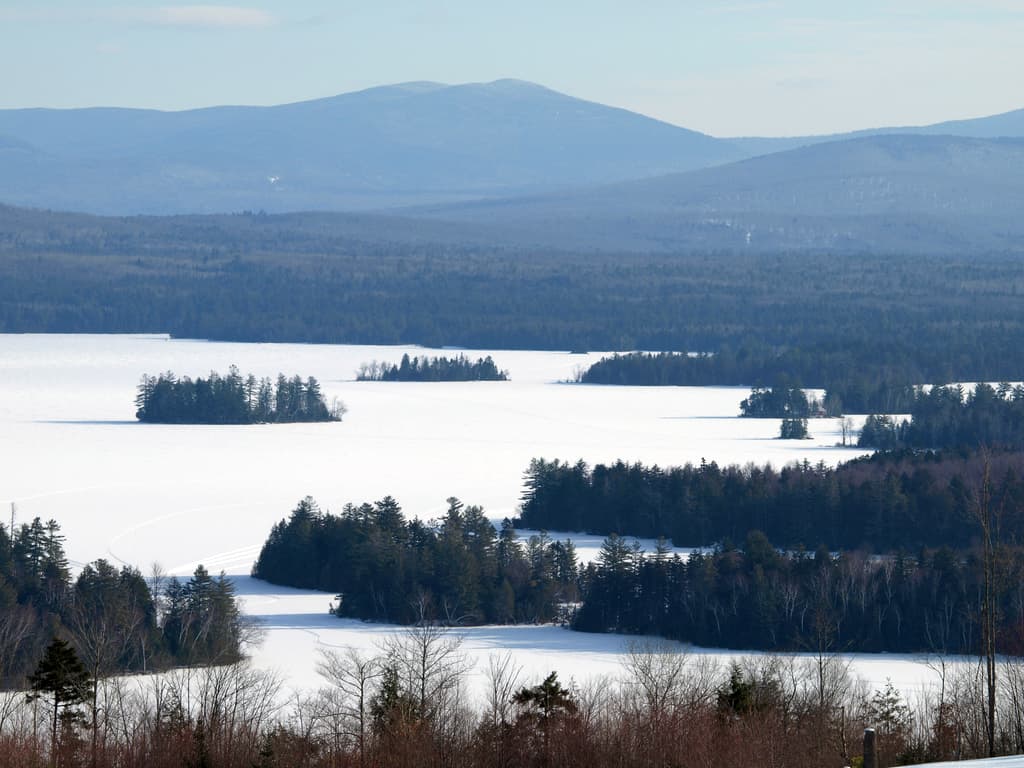
Ice fog rises off Lake Umbagog before dawn, and the only sound for miles is snow settling on spruce boughs. This is a trip for couples who want silence as a luxury — frozen lake vistas, star-choked skies, and evenings spent close to a woodstove instead of a crowd.
At a Glance
Highlights
- Sunrise mist over a frozen, untouched lake
- Snowshoe tracks where moose crossed hours before you
- Total dark-sky nights far from any city glow
- Slow mornings with nowhere to be
- Fireside dinners after short, cold days
- A wilderness so quiet you can hear your own breathing
Day-by-Day Plan
Day 1: Arrival and First Quiet
A gentle arrival day focused on the long drive north and a first easy, low-exertion introduction to Lake Umbagog's frozen shoreline, under 2 miles of walking total.
After the long drive north, this is the moment the wilderness finally reveals itself: a vast plain of ice and snow ringed by dark spruce-fir forest, utterly silent except for wind ticking through frozen branches. Keep the visit short and easy today — a walk to an accessible viewing area, watching the light flatten toward dusk over the frozen expanse. In winter the lake sees almost no visitors, so even at 3 PM you may have the entire shoreline to yourselves.
Today is largely given over to travel — the drive north from Manchester or Boston is long, often three to four hours, and the landscape changes visibly as you go, towns thinning out and forest closing in around the road. Take it slow, watch for moose particularly as afternoon light fades, and treat the drive itself as the day's first taste of the region's remoteness.
By early-to-mid afternoon you'll reach the lake for a gentle, unhurried first look — no strenuous hiking today, just enough to stretch your legs after the drive and let the scale of the place sink in. The frozen lake in low winter light has a stillness that's almost startling after hours on the highway.
With dinner options limited and many places closing early in winter, plan on settling into your lodging well before dark and keeping the evening low-key — this is a good night for an early meal, warm layers by a fire if your accommodation offers one, and rest ahead of a fuller day tomorrow. Note that specific dining venues for this remote evening are not confirmed in current data; consider checking with your lodging directly or planning to bring provisions for a simple in-room meal.
Day 2: Deep Into the Frozen Lake
The trip's centerpiece day: several hours immersed in Lake Umbagog's winter landscape, split into a slower morning session and a golden-hour return, roughly 3 miles of walking on packed snow.
Arrive at 7:30 AM and the lake belongs entirely to you — mist curling off any open water, the eastern shoreline catching the first pale light, loon calls long since silenced for the season but the forest itself alive with chickadees and the occasional distant crack of ice settling. This is the splurge experience of the trip in every way that matters for a couple seeking romance and awe: total solitude, a landscape scaled to make you feel pleasantly small, and light that changes by the minute. Bring snowshoes if you have them, or stick to packed viewing paths; either way, budget real time here rather than rushing through.
The morning is the heart of this trip: four unhurried hours at the lake, moving slowly between viewpoints, pausing often simply to listen. Couples looking for a quiet, romantic high point should linger here rather than rushing on to the next thing — this is the awe the whole trip has been building toward.
After a full morning outdoors, the afternoon calls for warmth and recovery rather than another big push — head back toward your base for a slow lunch, dry socks, and a chance to thaw out before the light starts fading again in mid-afternoon.
With winter's early dinner rhythm in mind, plan to eat before 7 PM given how early many local establishments close; specific dining venues near the lake are not confirmed in current data, so it's worth calling ahead to your lodging or nearest town to confirm what's open this evening, or planning a simple meal from provisions if options are limited.
Day 3: Slow Mornings, Wide Skies
A lighter, more contemplative day built around a second, shorter visit to the lake at a different vantage and time, keeping walking to roughly 2 miles.
Return today at a different hour and from a different vantage — the northwestern coves, where island silhouettes break up the flat white expanse of ice. Midday light here is harder and brighter than dawn's soft gold, throwing sharp blue shadows across the snow and lending the whole scene a stark, almost sculptural quality. For a couple who visited at sunrise two days ago, this contrast is worth the return trip: the same lake, entirely reframed by light and hour.
Ease into the day slowly — there's no need to rush back out at dawn today. A late-morning drive to the lake's northwestern coves offers a completely different mood than the sunrise visit, with harder light and long views toward distant islands frozen into the ice sheet.
Midday stretches into early afternoon at the coves, with plenty of time to simply sit somewhere sheltered from wind and take in the scale of the place before the light starts softening again toward late afternoon.
As with the previous evenings, plan dinner early given the region's winter hours; specific restaurant options for this evening are not confirmed in the available data, so confirming directly with your accommodation or nearby town ahead of time is the safest approach, with a simple backup meal on hand just in case.
Day 4: Last Light, Long Drive Home
A short final morning at the lake for one last sunrise before the long drive south, keeping the day light and under 1.5 miles of walking.
One last sunrise here, brief but worth the early alarm — arrive by 7:15 AM and the lake is again entirely yours, the same stillness that defined the whole trip distilled into one final hour before the drive home begins. There's a particular quality to a goodbye like this: no rush, no crowd, just the two of you and the frozen water catching the last morning light of the trip.
A final early start rewards you with one more quiet sunrise at the lake — the same silence, the same low winter light, a fitting last hour before the long drive begins. Keep this visit brief and unhurried rather than rushed.
By mid-morning it's time to begin the multi-hour drive south toward Manchester or Boston; budget extra time for winter road conditions and moose crossings, and treat the drive itself as a slow decompression from the wilderness quiet of the past three days.
Depending on departure time and flight or drive schedules, plan for a simple meal along the route south rather than in the Great North Woods itself, as most options here will already be behind you by evening.
Want to tweak this trip?
Our AI planner can customize this itinerary to your exact dates, interests, and travel style.
Customize This ItineraryRestaurant details (hours, menus, availability) change frequently, especially in this seasonal, low-traffic winter region. Confirm current hours directly with any establishment before planning a visit, and be prepared for very limited options — calling ahead is strongly recommended.
Dietary compatibility tags are general guidance. If you have severe allergies, confirm directly with the restaurant or your accommodation.
Travel tips are general guidance, not professional safety advice. Check government and local road condition advisories for the latest winter weather information before and during your trip.
All prices are approximate and may vary seasonally, particularly given the limited and variable availability of services in this remote region during winter.