Great North Woods, New Hampshire
4-Day Itinerary for Active Retirees
“Silence and Snowlight: 4 Days Beside Lake Umbagog”
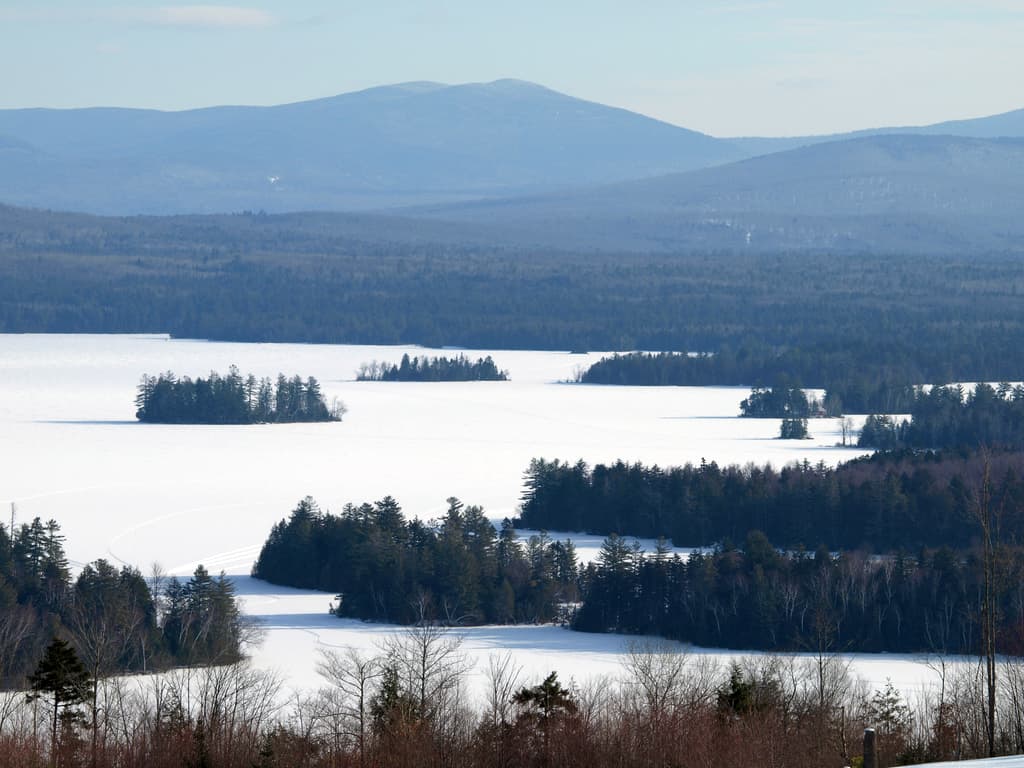
In winter, Lake Umbagog goes quiet in a way that feels almost sacred—ice groaning at the edges, spruce boughs bowed white, the whole valley holding its breath. This is a trip built for slow mornings, warm lodges, and the rare luxury of unhurried wilderness.
At a Glance
Highlights
- Sunrise stillness over a frozen, mist-veiled Umbagog shoreline
- Snow-hushed spruce-fir forest with almost no other visitors
- Wide-angle mountain overlooks from Magalloway viewpoints
- Fireside lodge evenings with hearty New England cooking
- Star-filled dark skies rarely seen outside the deep woods
- A genuinely slow pace—no rushing, plenty of benches and rest
Day-by-Day Plan
Day 1: Arrival and the First Hush of the Lake
A gentle arrival day with a single easy stop at the lake's edge to acclimate to the cold, the silence, and the slower rhythm of the North Woods; total walking under 1 mile.
After the long drive north, this is less an attraction than a decompression—a short walk to the accessible shoreline viewing area where the lake lies flat and silver-white under a low winter sun, its far shore blurred by spruce and mist. There's little sound beyond your own boots crunching snow and, if you're lucky, the distant knock of ice shifting; give yourself permission to simply stand and let the stillness settle in after hours of driving. This gentle, low-effort visit is ideal for a first afternoon—no strenuous walking required, and the parking area sits close to the water's edge.
Today is largely a travel day, easing in from Manchester or Boston along I-93 and then Route 3 or Route 2 into the deep quiet of the North Woods; take it slow, stop for coffee when you need it, and watch the terrain shift from highway sprawl to unbroken forest.
By early afternoon, once you've checked in and shed the car for a while, head to the Lake Umbagog shoreline viewing area for a short, unhurried visit—just enough to feel the cold clean air and hear the particular silence of a frozen northern lake before the light fades.
Settle in early tonight; dinner in this region tends to wind down by 7-8pm, so plan to eat on the earlier side and spend the rest of the evening resting by a fire, letting the day's travel catch up with you before tomorrow's fuller morning at the lake.
Day 2: Sunrise Stillness on the Water
The core lake day, with an unhurried morning at Umbagog's eastern shoreline for sunrise light and a quieter afternoon return for a different vantage; roughly 1-1.5 miles of easy, flat walking total.
Arrive at the eastern shoreline by 7:30am and you'll likely have this entire stretch of frozen water to yourself—by mid-morning even the modest winter traffic of anglers and photographers begins to trickle in. The mist rises off any open water in thin ribbons, the forest across the lake stands black-green against pale sky, and if a loon or raven calls, the sound seems to travel the full width of the lake. This is a sit-and-absorb kind of stop; bring a thermos, find a bench or a stable rock, and let the slow light change hold your attention rather than rushing to the next thing.
Return in early afternoon to a different stretch near the northwestern coves, where the light sits higher and flatter and the mood shifts from hushed dawn to a brighter, more expansive stillness—good for simply walking the accessible path at a gentle pace and noticing how differently the same lake reads at a different hour. This second visit is intentionally short and low-effort, a chance to move a little after the morning's stillness without overexerting.
Rise before the sun and drive the short, quiet distance to Lake Umbagog's eastern shoreline, where the earliest light does something no camera or memory quite captures fully—mist curling off any open water, the forest doubling itself in reflection, and a silence so complete it feels like the whole valley is holding still just for you.
After a relaxed lodge lunch, head back to the lake's northwestern coves for a gentler, shorter visit in brighter afternoon light—less about drama and more about simply being present in the cold, clean air, moving slowly along the accessible path with no agenda beyond noticing.
With dinner service winding down early, plan to eat by 6 or 7pm at your lodge, then spend the evening indoors—many find this is the best night for stepping briefly outside afterward to look up, since the dark sky here, far from any city glow, reveals stars that simply don't show elsewhere.
Day 3: Mountain Overlooks and a Slower Pace
A lighter day built around one significant lake-area stop with mountain overlook views, paced deliberately slow with generous rest time; walking kept under 1 mile.
Today's visit centers on the Magalloway Mountain overlook access point, where the perspective opens up from intimate shoreline to sweeping wide-angle vistas of the frozen lake basin and the layered mountains beyond—a good change of pace from the previous day's close-in stillness. Arriving mid-morning rather than at dawn means slightly warmer temperatures and a softer, more forgiving light, well suited to a slower, more comfortable outing. This is an easy, unhurried stop: find a sheltered spot out of the wind, take in the scale of the place, and let the morning unfold without any pressure to move quickly.
After a relaxed breakfast, drive out toward the Magalloway overlook access, where the lake reveals itself from a wholly different angle—no longer intimate and close, but laid out wide beneath the mountains, a reminder of just how much untouched forest surrounds this one still body of water.
Keep the afternoon deliberately unstructured—a short rest at the lodge, a slow walk if the legs want more movement, or simply time by a window watching snow settle on the trees; today is built around ease rather than another substantive stop.
Dinner again comes early, in keeping with the region's rhythm, and afterward there's little to do but settle in—which, after two days of cold-air mornings, tends to feel like exactly the right kind of evening.
Day 4: A Last Slow Look Before Departure
A short, easy farewell visit to the lake before the drive home, kept brief to allow ample travel time; walking under half a mile.
One final visit to the eastern shoreline, this time simply to say goodbye—the same still water, the same hush, perhaps a fresh dusting of overnight snow softening every branch. Keep this short and unhurried; there's no need to chase a dramatic photograph today, just a last quiet stand at the water's edge before the long drive back toward the highway and the noise of ordinary life.
There's time for one more unhurried visit to the lake's eastern shoreline before departure—no rush, no checklist, just a final quiet look at the water and forest that have set the pace for the whole trip.
By late morning, begin the drive south, retracing Route 3 or Route 2 back toward the highway, with the deep woods gradually giving way to more familiar towns and traffic.
Plan to be well on the road home by evening, having left the North Woods with the particular kind of quiet that only a place like this, in winter, can leave behind.
Want to tweak this trip?
Our AI planner can customize this itinerary to your exact dates, interests, and travel style.
Customize This ItineraryRestaurant details (hours, menus, availability) change frequently, especially in winter when many establishments reduce hours or close seasonally. Check current hours before visiting.
Dietary compatibility tags are general guidance. If you have severe allergies, confirm directly with the restaurant.
Travel tips are general guidance, not professional safety advice. Check government advisories and local road condition reports for the latest information, especially in winter.
All prices are approximate and may vary seasonally.