Great North Woods, New Hampshire
5-Day Itinerary for Active Retirees
“Still Waters, Wide Skies: 5 Days in the Great North Woods”
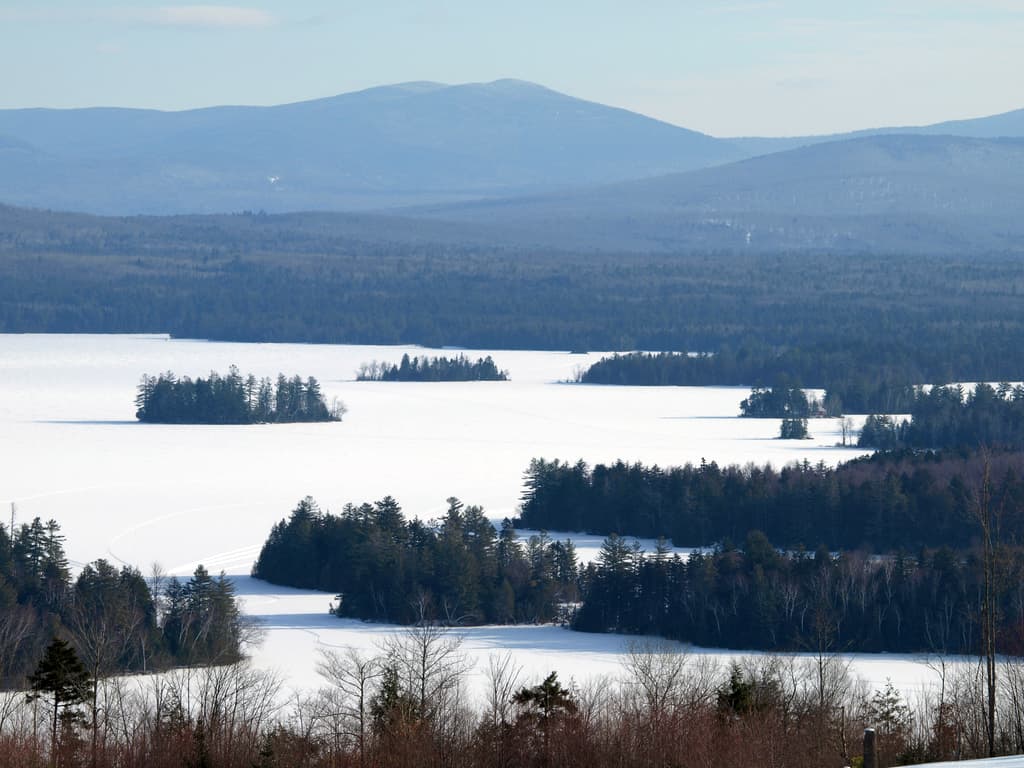
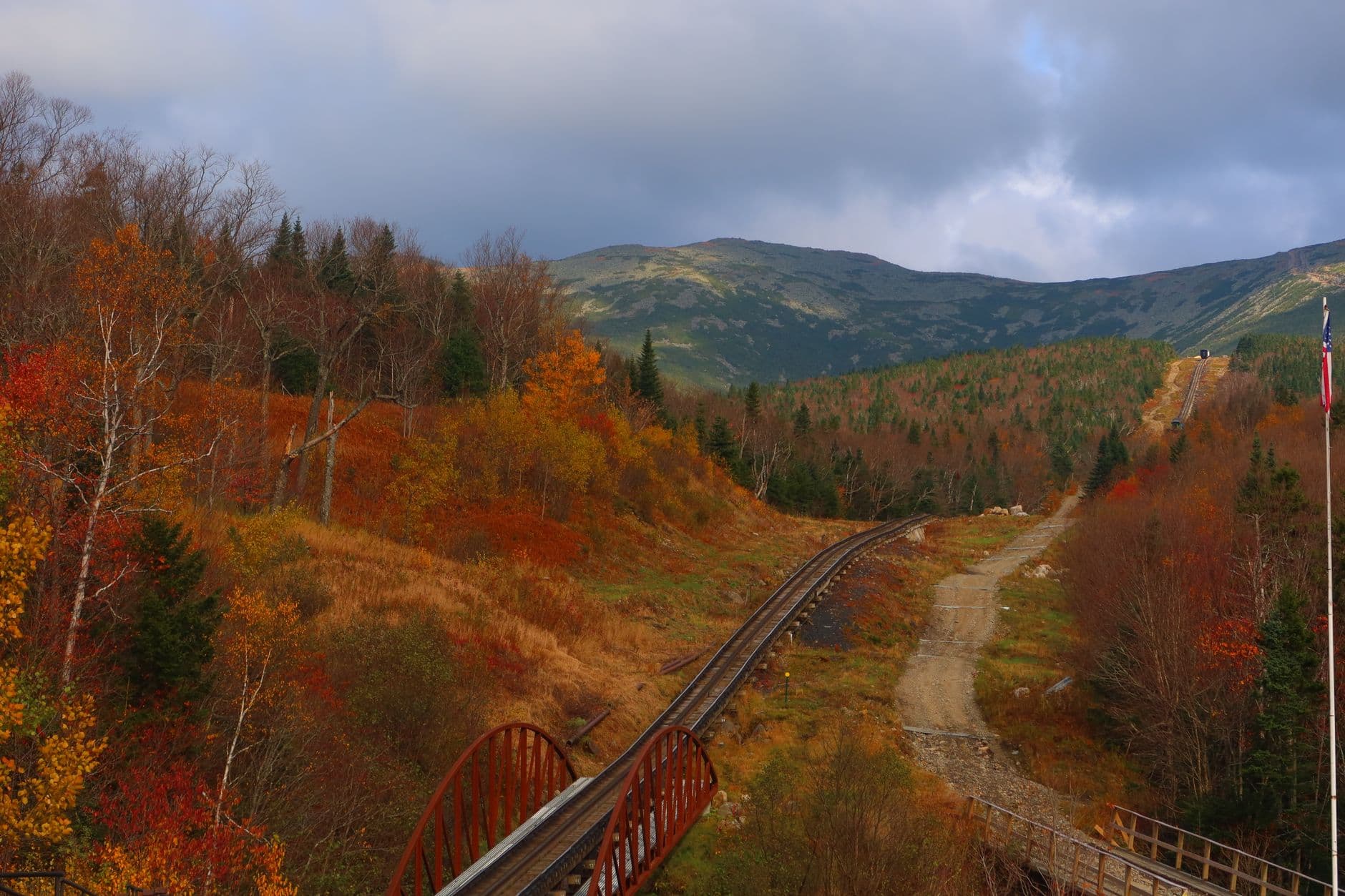
Out here, the forest holds its breath and the lake wears a skin of ice under low winter light. This is a place measured in loon calls and woodsmoke, where the pace is set by the land itself, not by a clock.
At a Glance
Highlights
- Sunrise stillness over frozen Lake Umbagog
- Moose country drives with dawn and dusk sightings
- Fireside dinners of hearty New England comfort food
- Wide-open dark skies far from city glow
- Gentle lakeside walks paced for lingering, not rushing
- Small-town warmth in Berlin and Lancaster
- Wildlife viewing from accessible overlooks
Day-by-Day Plan
Day 1: Arrival & First Light Over the North Woods
A gentle arrival day with a single easy stop to acclimate to the cold, the quiet, and the long drive north; total walking under half a mile.
After the long drive north, let the lake do the work of settling you in. In winter its surface locks into a pale sheet of ice and snow, rimmed by dark spruce that seem to absorb sound entirely — the kind of silence that makes your own breathing loud. Stick to the accessible viewing pullouts near the shoreline rather than venturing onto the ice; the view alone, especially with a dusting of fresh snow, is reward enough after a travel day.
Morning is given entirely to travel — the drive north from Manchester or Boston stretches three to four hours, and the landscape shifts noticeably as you go, towns thinning out and forest closing in. Take it slow, watch for moose near dawn light in open fields, and treat the drive itself as the first taste of the wilderness ahead.
By early afternoon, once you've settled into your accommodation, ease into the trip with a short, unhurried visit to Lake Umbagog's edge. There's no agenda here beyond letting your eyes adjust to the scale of the place — the flat white lake, the wall of dark trees, the total absence of traffic noise. Twenty minutes or two hours, either is fine.
With dinner options in this immediate area limited and undocumented, plan your evening meal around Berlin or Lancaster instead, where small-town restaurants keep more predictable hours. Turn in early — the cold and the quiet have a way of making eight o'clock feel like a very reasonable bedtime.
Day 2: The Lake in Deep Winter Light
A relaxed full day centered on Lake Umbagog's winter stillness, with two visits at different times of day to catch changing light; walking kept under one mile total.
Arrive within the first hour of daylight and the lake belongs entirely to you — no other cars, no other footprints in the snow, just the low sun catching ice crystals along the shoreline. Loons are gone for the season, but the silence they leave behind is its own kind of presence. Watch the tree line at the far shore for moose moving through the underbrush; dawn is prime time.
Return in early afternoon for a different mood — midday light flattens the drama but reveals the true scale of the surrounding forest, and the cold air feels almost bracing rather than harsh. This is a good window for a slow, short walk along any cleared portion of shoreline, pausing often, with nowhere else you need to be.
Set an early alarm — the reward for arriving at first light is a lake entirely without other visitors, ice and snow catching the low sun in shades of rose and pale gold. Move slowly along the accessible viewing areas, watch the far shore for moose, and let the cold air and total quiet do their work. There's no rush; this is the kind of morning meant to be lingered over, not checked off.
After a warm lunch back near your lodge, return to the lake for a second, different look under flatter midday light. The mood shifts from intimate to expansive — you'll notice the true size of the surrounding wilderness now that the drama of sunrise has passed. Keep the pace gentle and the distance short.
With dining options directly at the lake not documented in our sources, plan to eat back in Berlin or Lancaster, where hours are more predictable and seating more comfortable. Aim for an early dinner, given how early establishments here tend to close, and let the evening wind down quietly — perhaps with a window seat and a view of an early winter dusk.
Day 3: A Slower Morning by the Water
A lighter day built around a single relaxed lake visit and unstructured town time, with minimal walking to allow full recovery from the previous day's cold exposure.
A final, unhurried visit to the lake, timed slightly later than the previous morning to allow for a slower start. The character of the place shifts again by mid-morning — softer light, perhaps a dusting of fresh snow on the branches, and the same enveloping quiet. This is less about seeing something new and more about sitting with a place until it settles into memory.
Ease into a later, gentler visit to the lake — no alarm clocks today, just a calm morning arrival to sit with the stillness once more before the trip moves toward its final days. The forest looks a little different each visit; notice what's changed since yesterday, whether fresh snow, a moved ice shelf, or simply a different quality of light.
Keep the afternoon open and unscheduled. This is a good day to rest legs and eyes both, perhaps staying close to your accommodation, reading by a window, or taking a short indoor break from the cold. The Great North Woods rewards this kind of pause as much as it rewards activity.
Dinner plans should again center on Berlin or Lancaster given the lack of documented dining directly around the lake — aim for an early seating, quiet corner table, and a hearty plate of classic New England comfort food to end the day warmly.
Day 4: Wide Skies and Winter Stillness
A day balancing one substantial lake visit with rest, building toward an evening appreciation of the region's celebrated dark skies; walking remains light.
One more early visit, this time simply to watch and listen rather than to look for anything specific. Arrive before 9am and the shoreline is silent enough to hear snow settling on branches. Bring a thermos of something hot and treat this as the trip's quiet centerpiece — the reason this region draws people back.
Return once more to the lake for a final substantial visit, this time without any real agenda beyond presence — watching light change, listening for movement in the trees, letting the cold clarify your senses. Four days in, the rhythm of this place should start to feel familiar rather than foreign.
Rest through the afternoon, conserving energy for an evening outdoors. This is also a good window for that slow drive along quieter roads, headlights low, watching tree lines for moose in the fading afternoon light — a rewarding, low-effort activity from the comfort of the car.
After an early dinner in Berlin or Lancaster, bundle up properly and step outside briefly after dark. Far from any city glow, the Great North Woods offers a rare density of stars — even ten minutes outside, eyes adjusting, can feel genuinely awe-inducing. Keep it brief given the cold, and treat it as a quiet, wordless close to the day.
Day 5: Last Light and the Long Drive Home
A short final morning visit to the lake followed by the drive south, keeping exertion minimal ahead of travel.
A brief final farewell to the lake before the drive south — arrive early once more for a last dose of that particular winter silence. There's no need to linger long; even thirty minutes of standing at the shoreline, breath visible in the cold air, is enough to carry the memory of this place home.
One last quiet morning at the water's edge, brief and unhurried, before turning the car south. There's a particular kind of gratitude that comes with a final visit like this — no urgency, just a last look at the stillness that's defined the trip.
The remainder of the day is given to the drive south toward Manchester or Boston, three to four hours depending on route and conditions. Watch the landscape gradually shift back toward towns and traffic — a reminder of how far removed the past days have been from ordinary rhythm.
Plan for a straightforward travel evening, with dinner likely taken well south of the Great North Woods given the length of the drive. Let the trip settle in memory as you go — the ice-locked lake, the total quiet, the wide dark sky.
Want to tweak this trip?
Our AI planner can customize this itinerary to your exact dates, interests, and travel style.
Customize This ItineraryRestaurant details (hours, menus, availability) change frequently, especially in this seasonal region. Check current hours before visiting.
Dietary compatibility tags are general guidance. If you have severe allergies, confirm directly with the restaurant.
Travel tips are general guidance, not professional safety advice. Check government advisories and local road condition reports for the latest information.
All prices are approximate and may vary seasonally.