Mark Twain National Forest (North section), Missouri
2-Day Itinerary for Couples
“Turquoise Water & Ozark Quiet: Two Days in Mark Twain National Forest”
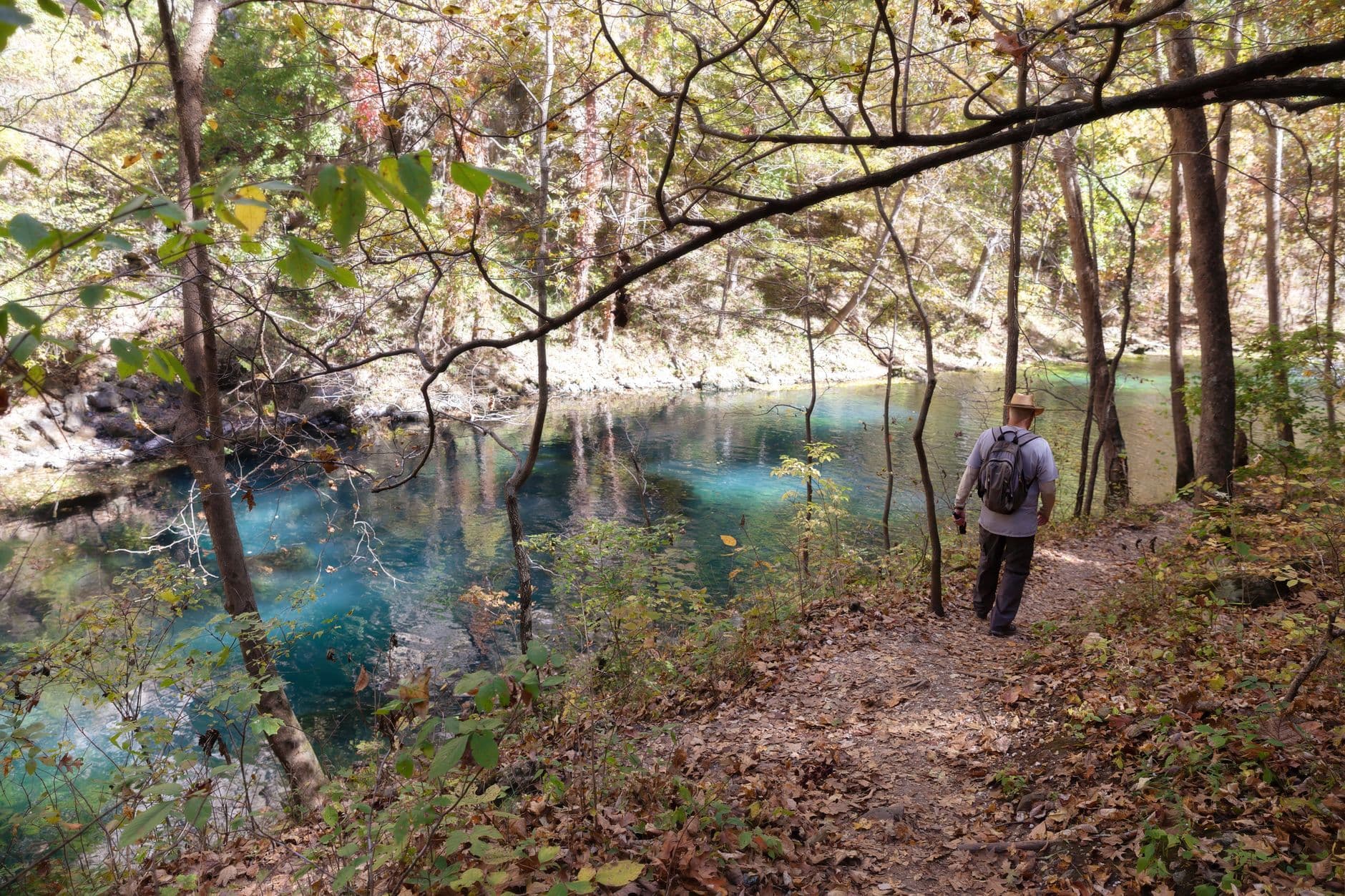
Somewhere between the limestone bluffs and the impossible turquoise of Blue Spring, the modern world simply stops making noise. This corner of the Ozarks moves at the pace of water finding its way through rock—unhurried, clear, and made for two.
At a Glance
Highlights
- Standing over the 30-foot-deep clarity of Blue Spring at first light
- Wading and swimming the hidden cascades of Lost Valley Trail
- Paddling the jade-green stillness of the Eleven Point River
- Sunset at Greer Spring where 360 cubic feet of water surge from the earth every second
- Wildflower-lined forest roads with almost no other cars in sight
- Quiet, unpretentious Ozark dining—catfish, pie, and porch-light evenings
Day-by-Day Plan
Day 1: First Light on Blue Spring
A gentle orientation day centered on Blue Spring Valley's tranquil spring and a moderate creekside hike, with roughly 3 miles of walking and a low-to-moderate energy level.
Arrive by 7:30am and the overlook is yours alone—no voices, just water trickling from limestone fissures into a pool so clear you can trace the bottom thirty feet down. The turquoise here looks almost invented, a color too saturated for the muted greens and browns around it. By 9am, weekend visitors start arriving; this early window is when the spring feels most like a private discovery between the two of you.

The trail follows limestone-filtered water past a natural spring cascade, the creek cool enough to make you gasp on first contact and clear enough to see every smooth rock beneath your feet. Couples linger here—there's a natural swimming hole at the midpoint with bluffs reflected in the water, ideal for a slow, unhurried dip before continuing upstream. Weekday mornings keep the trail nearly empty, just the two of you and the sound of wind moving through oak and hickory.

The day opens slow and cool, with the first stop asking for nothing but quiet attention: Blue Spring at sunrise, its turquoise water almost otherworldly against gray limestone. This is the softest possible landing into the forest—no crowds, no noise, just water and stone doing what they've done for millennia.
By midday, the pace shifts gently upward as Lost Valley Trail invites movement—wading, a swim if the mood strikes, careful footing on smooth creek rocks. It's a moderate outing, well-suited to easing into the forest's rhythm without overreaching on day one.
With no mapped dining directly in this cluster, plan the evening meal in Van Buren or Salem, where family-owned diners and riverside cafés offer the kind of unpretentious, hearty fare this region is known for. Settle in early—the local rhythm favors quiet nights, and tomorrow's river day starts with the cool morning air.
Day 2: River Song on the Eleven Point
A fuller day centered on the Eleven Point River Corridor, combining a scenic float or paddle with quieter riverside moments—roughly 2–3 miles of walking plus time on the water, moderate-to-high energy.
Arrive early and the river is glassy and nearly silent, jade-green water sliding over limestone with barely a ripple, cypress and sycamore leaning in from both banks. This is the kind of stillness that rewards early risers—paddle out before 9am and you'll likely have long stretches of river to yourselves, the only sound your paddle strokes and the occasional call of a woodland bird. It's an intimate, unhurried way to see the forest from water level.

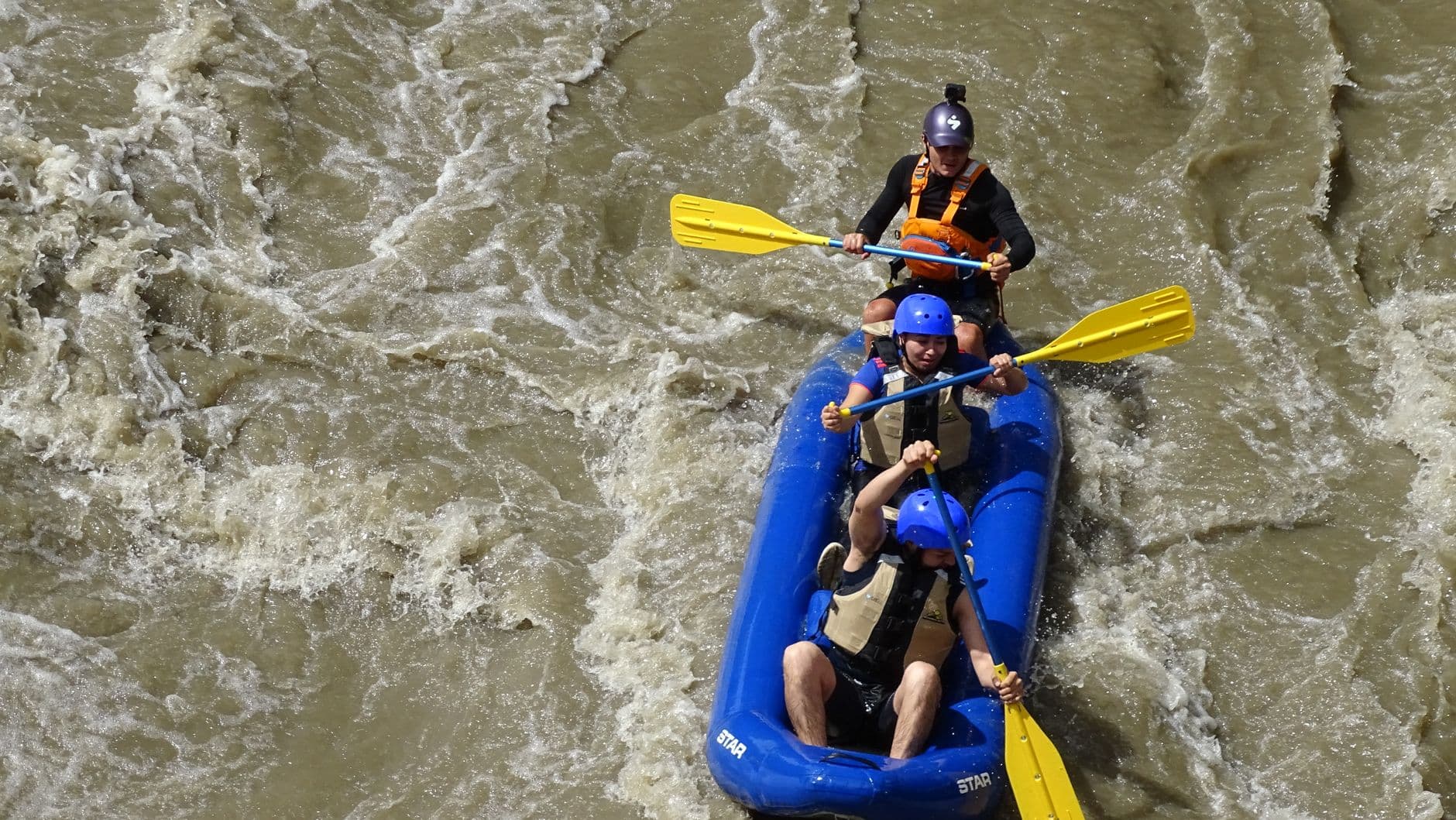
This is the day's splurge—a guided or self-guided paddle through limestone canyons rising 200 feet overhead, the outfitters' worn wooden buildings and creaking canoe racks adding a lived-in, authentic texture to the experience. Midday brings a natural lull between morning launches and afternoon returns, making it a quieter window for couples wanting the canyon views without the crowd of early paddlers. The scale of the bluffs against the narrow river channel is genuinely awe-inducing—bring a dry bag for your camera.
The day begins with the river at its calmest, the Eleven Point sliding past in jade-green stillness under early light. This is the most contemplative water experience of the trip—less adrenaline, more quiet awe at the clarity and scale of the canyon walls.
The pace lifts into the day's signature splurge: a full paddling excursion through limestone canyons via the outfitter access points, canoe rigging creaking, cold spring water splashing at the edges. It's active, immersive, and the clear high point of the trip for couples craving shared adventure.
With no mapped dining directly along the river corridor, plan the evening meal back in Van Buren, where riverside cafés and diners serve the kind of hearty, unpretentious Ozark fare—catfish, barbecue, homemade pie—that closes out a water-soaked day perfectly. Given the region's early-closing rhythm, aim to be seated by 7pm, and let the evening wind down slowly, legs tired, ready for an early, easy night.
Want to tweak this trip?
Our AI planner can customize this itinerary to your exact dates, interests, and travel style.
Customize This ItineraryRestaurant details (hours, menus, availability) change frequently. Check current hours before visiting, especially in seasonal destinations.
Dietary compatibility tags are general guidance. If you have severe allergies, confirm directly with the restaurant.
Travel tips are general guidance, not professional safety advice. Check government advisories for latest information.
All prices are approximate and may vary seasonally.