3 DaysSolo Traveler6 Stops

Mark Twain National Forest (North section), Missouri

3-Day Itinerary for Solo Traveler

Spring Water & Solitude: 3 Days in Mark Twain National Forest

Spring Water & Solitude: 3 Days in Mark Twain National Forest

Here, the Ozarks reveal themselves one spring at a time—turquoise water rising cold and clear from limestone, forests still hushed with early spring green, and rivers that ask nothing of you but attention. This is solo travel at its most restorative: no itinerary to negotiate, just birdsong, paddle strokes, and the occasional nod from a fellow wanderer at the outfitter counter.

At a Glance

Climate & Weather
Spring days run mild, roughly 56–66°F, with moderate rainfall and peak water flow in the rivers and springs—ideal for paddling but pack a real rain jacket, a warm layer for cool mornings, and quick-dry clothing for wading.
Getting Around
A car is essential—distances between clusters run 45–90 minutes on two-lane forest roads, and there's no public transit. Fill your gas tank in Salem or Van Buren before heading into the forest, as stations thin out quickly.
Budget
Budget roughly $60–90/day for a solo traveler covering meals, canoe/kayak rental, and park access—paddling trips with outfitters run $35–60 for a half-day, and hearty diner meals are $10–18.
Safety
Solo travelers should note river currents can be swift and cold year-round, especially on the Eleven Point—wear a life jacket when paddling and check water levels before launching. Cell service is spotty, so tell someone your trail plan, watch footing on wet limestone, and give black bears and snakes their space (both are present but rarely encountered).
Connectivity
Expect weak to nonexistent cell signal once inside the forest proper; download offline maps and let someone know your route before setting out. Wi-Fi is available at lodges and some cafes in Van Buren and Salem.
Local Tips
Arrive at spring overlooks before 8:30am for solitude and the clearest, most photogenic water before wind and foot traffic stir things up. Outfitter counters in Van Buren are a great low-pressure spot to strike up conversation with fellow paddlers before a float. Restaurants close early (8–9pm), so plan dinner before dusk rather than after a late hike.

Highlights

  • Standing at the rim of Blue Spring as the turquoise water pulls your eye 30 feet down
  • Wading the limestone-cooled swimming hole along Lost Valley Trail
  • A slow float down the jade-green Eleven Point River at golden hour
  • Watching 360 cubic feet of water surge from the earth at Greer Spring, every second
  • Casting a line in Roaring River's cold canyon waters among trophy trout
  • Wildflowers threading the forest floor along quiet spring trails
  • Conversations struck up at riverside outfitter counters and communal lodge tables

Day-by-Day Plan

Settling in, gentle immersion

Day 1: Arrival & the Quiet Blue

A light orientation day covering Blue Spring Valley on foot, roughly 3 miles total walking, with low-to-moderate energy output to ease into forest time.

Wear
Layered clothing (light fleece plus rain shell), sturdy hiking shoes that can get wet, and a hat for sun/rain flexibility.
Budget
$45-60 (lunch, snacks, minor trail supplies)
8:00 AM - 8:45 AM
Blue Spring · morning · 45 min · Blue Spring Valley

Arrive by 8am and the spring is yours—no voices, just water trickling from limestone fissures and that impossible turquoise pulling your eye down 30-plus feet. Solo travelers get the rare gift of standing at the overlook in total silence, letting the mineral-cool air settle the mind after a drive in. By 9am the parking area starts filling; this is the window worth setting an alarm for.

Blue Spring
U.S. Fish and Wildlife Service - Midwest Region / wikimedia (Public domain)
Shoot from the overlook vantage point in soft mid-morning light for the clearest color gradient in the water.
Path to the overlook is uneven and unpaved with no benches nearby; sturdy footwear recommended.
10 min walkA short walk along the forest access path connects the spring overlook to the trailhead, tree canopy thickening with each step.
9:15 AM - 11:15 AM
Lost Valley Trail · midday · 120 min · Blue Spring Valley

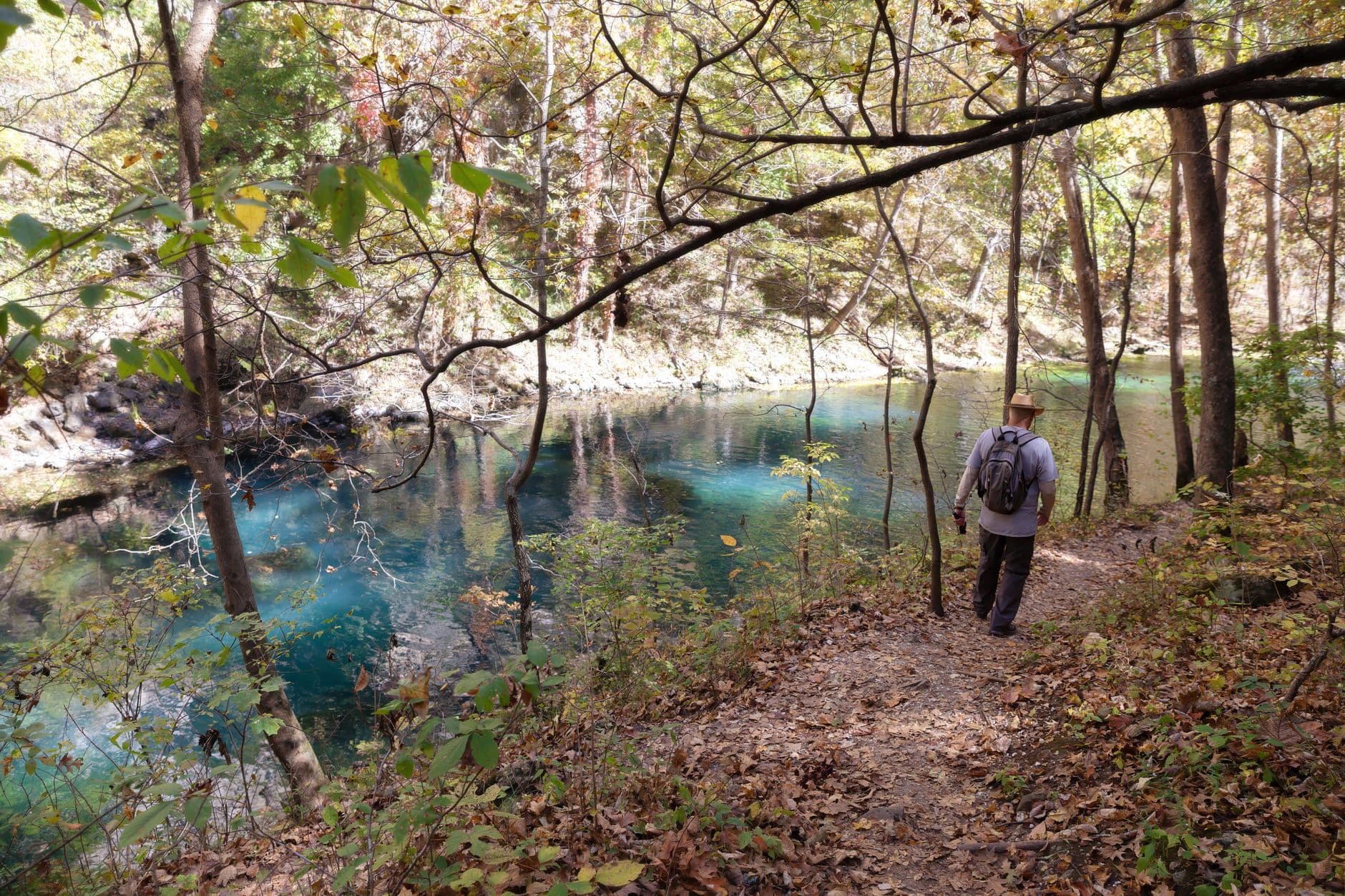
The trail unspools through oak and hickory, limestone-filtered creek water cold against your ankles at the crossings, cascades hissing softly mid-trail. This is a good stretch for solo hikers to set their own pace—stop as long as you like at the swimming hole, watch light shift on the bluff reflections, and let the valley narrow around you as you head upstream.

Lost Valley Trail
Photo by Deb Hayes on Pexels
Midday sun highlights the limestone bluffs reflected in the main swimming hole—worth the wait if clouds are moving.
Uneven, rocky trail with creek crossings; not wheelchair accessible and not recommended in heavy rain.
If it rains: Blue Spring remains accessible and even more atmospheric in light rain—mist rising off the pool and deeper color saturation—though Lost Valley Trail's creek crossings become hazardous in heavier downpours, so shorten that segment or skip it if rain intensifies.

The day opens slow and quiet, exactly as arrival days should. Blue Spring greets you first, its turquoise basin catching early light before the day's first visitors arrive—a good, grounding start for a solo traveler settling into forest rhythm.

From there, Lost Valley Trail offers gentle physical engagement without overexertion: creek crossings, a swimming hole worth lingering at, and a valley that narrows into quiet, bluff-lined solitude. Take it at your own pace; there's no itinerary pressure here.

With no dining data mapped directly to this cluster, plan your evening meal in Van Buren or Salem depending on where you're staying—both towns offer the kind of unpretentious diner and barbecue fare typical of the Ozarks, best enjoyed before the early 8-9pm closing rhythm sets in.

Water immersion, adventure

Day 2: River Day: Paddling the Eleven Point

A full water-focused day on the Eleven Point River Corridor with light-to-moderate walking (around 2 miles) and moderate paddling exertion.

Wear
Quick-dry clothing, water shoes or secured sandals, a hat, sunscreen, and a dry bag for valuables; bring a warm layer for the cooler morning launch.
Budget
$70-100 (canoe/kayak rental, lunch, snacks)
75 min driveA scenic 75-minute drive south on forest roads, worth a pullover at any river overlook you pass for a stretch and a photo.
7:30 AM - 11:30 AM
Current River Outfitters & Paddling Access Points · morning · 240 min · Eleven Point River Corridor

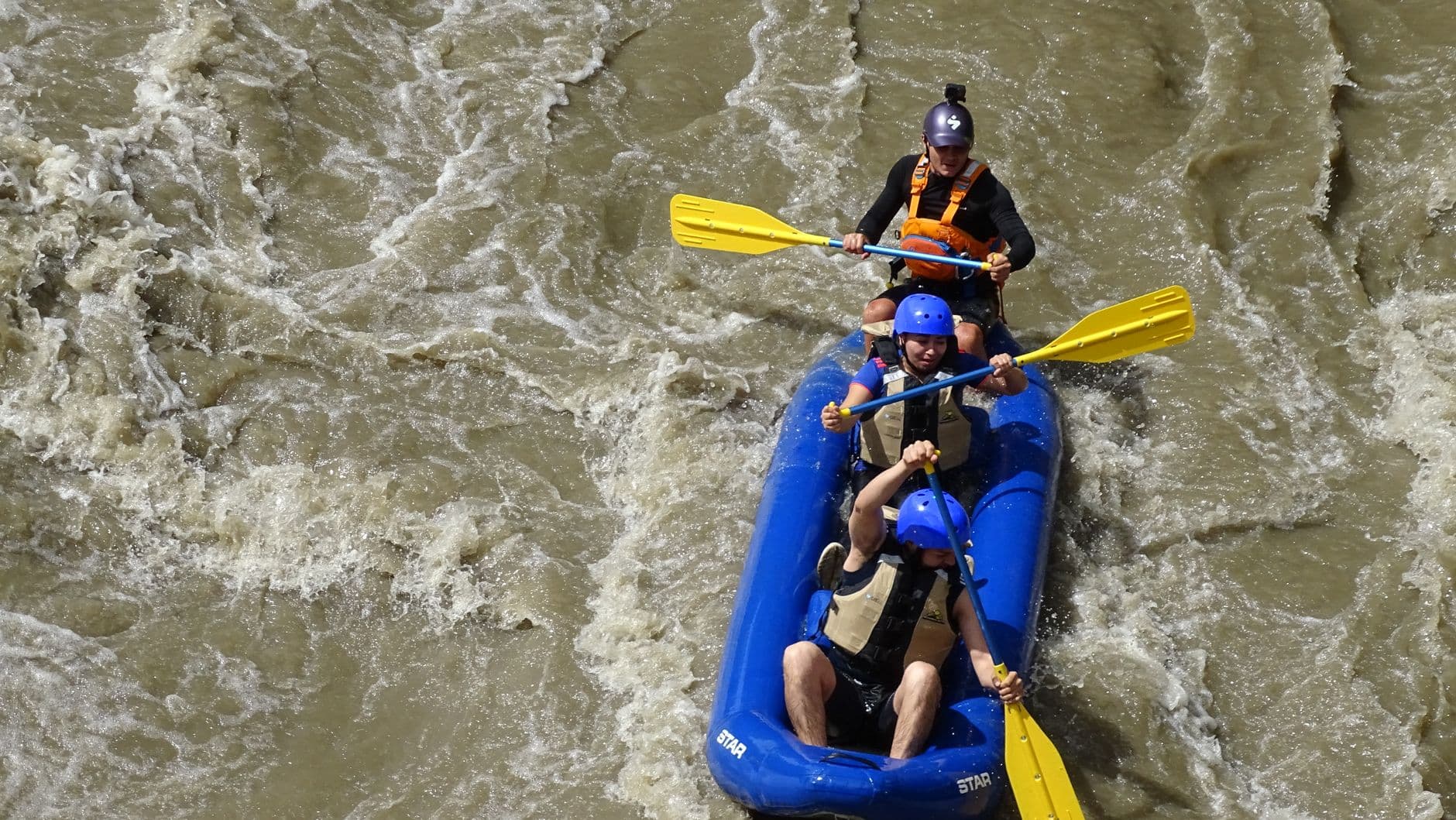
Arrive at sunrise and the launch area is nearly empty—cold spring water lapping at the dock, limestone cliffs rising 200 feet overhead, canoes creaking as outfitters rig up. This is a genuinely social stop for solo travelers: outfitter staff and fellow paddlers gather here before launch, and striking up conversation over gear checks is easy and welcomed. Peak crowds hit mid-morning as groups launch, so an early start rewards you with quieter water and softer light on the canyon walls.

Current River Outfitters & Paddling Access Points
Photo by RAFTING CHICAMOCHA on Pexels
Sunrise at the launch area frames the canyon backdrop beautifully—arrive with your camera ready before the first canoes hit the water.
Launch and paddling require moderate physical capability; limited accessible viewing-only options exist for those not paddling.
15 min paddleA short paddle from the outfitter dock into the main current, the noise of the launch area fading fast behind you.
12:00 PM - 3:00 PM
Eleven Point River · afternoon · 180 min · Eleven Point River Corridor

Once on the water, the current carries you gently past cypress and sycamore, the jade-green clarity beneath your paddle almost hypnotic. Solo paddling here is meditative rather than isolating—other floaters pass with a wave, herons lift off the banks, and the mineral scent of spring water follows you the whole way down. This is the kind of afternoon that resets a nervous system.

Eleven Point River
Unknown / wikimedia (Public domain)
The Greer Spring confluence area is stunning at sunset if your route times out that way; otherwise aim for river bends with overhanging bluffs in early afternoon light.
Not wheelchair accessible; paddling requires moderate fitness and swimming ability, life jacket required.
Optional detour: Greer SpringAfter Eleven Point River paddle and before returning to lodging
If your float route brings you near the confluence, the sight of 360 cubic feet of water surging from limestone every second is worth a short detour and a break from paddling. Skip if: Skip if you're already fatigued from a full day of paddling or if it adds significant driving time back to your route—it's better suited to Day 3's dedicated visit.
If it rains: If rain intensifies or water levels spike, outfitters may limit launches—shift to Round Spring Cave or Shut-Ins State Park as an alternative, or reschedule paddling for later in your trip when conditions settle; light rain alone is manageable on the water.

The day begins early and by the river, with the outfitter dock buzzing quietly as paddlers rig gear under a canyon lit gold by the rising sun. It's an easy place for a solo traveler to fall into conversation before setting out onto the current.

The pace shifts to pure immersion once you're on the water—paddling replaces walking, and the sensory focus narrows to water, light, and the occasional wildlife sighting along the banks. This is the physical and emotional centerpiece of the trip.

With no mapped dining options directly along this corridor, plan to return to Van Buren for dinner, where riverside diners and barbecue joints cater to paddlers finishing their day—arrive before the early closing hours to avoid disappointment.

Geology and quiet reflection

Day 3: Springs, Stone, and Trout Water

A moderate day exploring Greer Spring and Roaring River State Park, covering roughly 3-4 miles of walking with moderate energy output.

Wear
Waterproof boots or wading shoes, a rain shell, layers for temperature shifts between forest shade and open canyon, and a hat.
Budget
$40-65 (lunch, park access, optional fishing permit)
50 min driveA 50-minute drive through rolling Ozark plateau, with a worthwhile pullover at any forest overlook if you need to stretch after yesterday's paddling.
8:00 AM - 9:30 AM
Greer Spring · morning · 90 min · Greer Spring & Ozark Plateau

Get here by 8am and the spring pool is undisturbed—cool mist rising off the water, the constant gentle rush of Missouri's second-largest spring emerging from the rock face. It's a moment of scale that's easy to underestimate until you're standing at the pool's edge feeling the mist on your skin. Photographers will want the full 2-3 hours; a casual visit runs closer to an hour.

Greer Spring
A.C. Anderson (Firm) / wikimedia (Public domain)
Photograph the spring pool mouth in late afternoon light for the best contrast, though morning mist offers its own dramatic mood if you're here early.
Trail to the spring involves moderate uneven terrain; not wheelchair accessible, exercise caution on wet limestone.
30 min driveA quick 30-minute drive deeper into the plateau, forest thickening and the road narrowing as you approach the park.
10:15 AM - 1:15 PM
Roaring River State Park · midday · 180 min · Greer Spring & Ozark Plateau

The canyon walls here amplify the sound of rushing water into something almost percussive, and the cold spring water numbs your ankles pleasantly if you wade in. Solo travelers often find good conversation among anglers along the bank—trout fishing here has a communal, unhurried culture worth tapping into even if you don't cast a line yourself. The upper park trail overlook rewards an easy climb with a wide canyon view.
Roaring River State Park
Photo by Deb Hayes on Pexels
Dawn mist rising from the canyon floor is spectacular but requires an early arrival; otherwise the upper trail overlook works well through late morning.
Some trails are uneven and steep; accessible viewing and picnic pavilions are available near the main park area.
Optional detour: Lost Valley TrailBefore Greer Spring, if departing early from Van Buren
A quick revisit for a final swim or photo if you have extra morning time and loved it on Day 1. Skip if: Skip if you're prioritizing new terrain—Greer Spring and Roaring River offer plenty of fresh scenery without doubling back.
If it rains: Greer Spring remains impressive and accessible in rain—waterproof gear recommended—while Roaring River's upper trails may close in heavier downpours; use the park's covered pavilions for a dry picnic break and stick to lower, more sheltered trails.

The final day opens with the low roar of Greer Spring, water surging from the earth in a display of raw geological force that feels like a fitting culmination to a trip built around water. Early arrival means the pool is calm and the mist undisturbed.

Roaring River State Park shifts the mood toward canyon acoustics and cold-water fishing culture—wade in, strike up a conversation with an angler, or simply sit canyon-side and let the rush of water close out the trip's sensory arc.

Plan your final dinner in Salem or Van Buren, both offering the hearty, unpretentious Ozark comfort food that's been the throughline of this trip—arrive early, as most places wind down by 8-9pm, and consider a communal table if one's available for a last chance at trip-end conversation.

Want to tweak this trip?

Our AI planner can customize this itinerary to your exact dates, interests, and travel style.

Customize This Itinerary
Good to Know

Restaurant details (hours, menus, availability) change frequently. Check current hours before visiting, especially in seasonal destinations.

Dietary compatibility tags are general guidance. If you have severe allergies, confirm directly with the restaurant.

Travel tips are general guidance, not professional safety advice. Check government advisories for latest information.

All prices are approximate and may vary seasonally.
We use cookies to improve your experience and analyze site usage. Essential cookies are always active. You can customize your preferences or accept all cookies. Cookie Policy