Bitterroot Valley (Hamilton, Darby), Montana
2-Day Itinerary for Active Retirees
“Frozen Water, Wide Sky: Two Winter Days in the Bitterroot Valley”
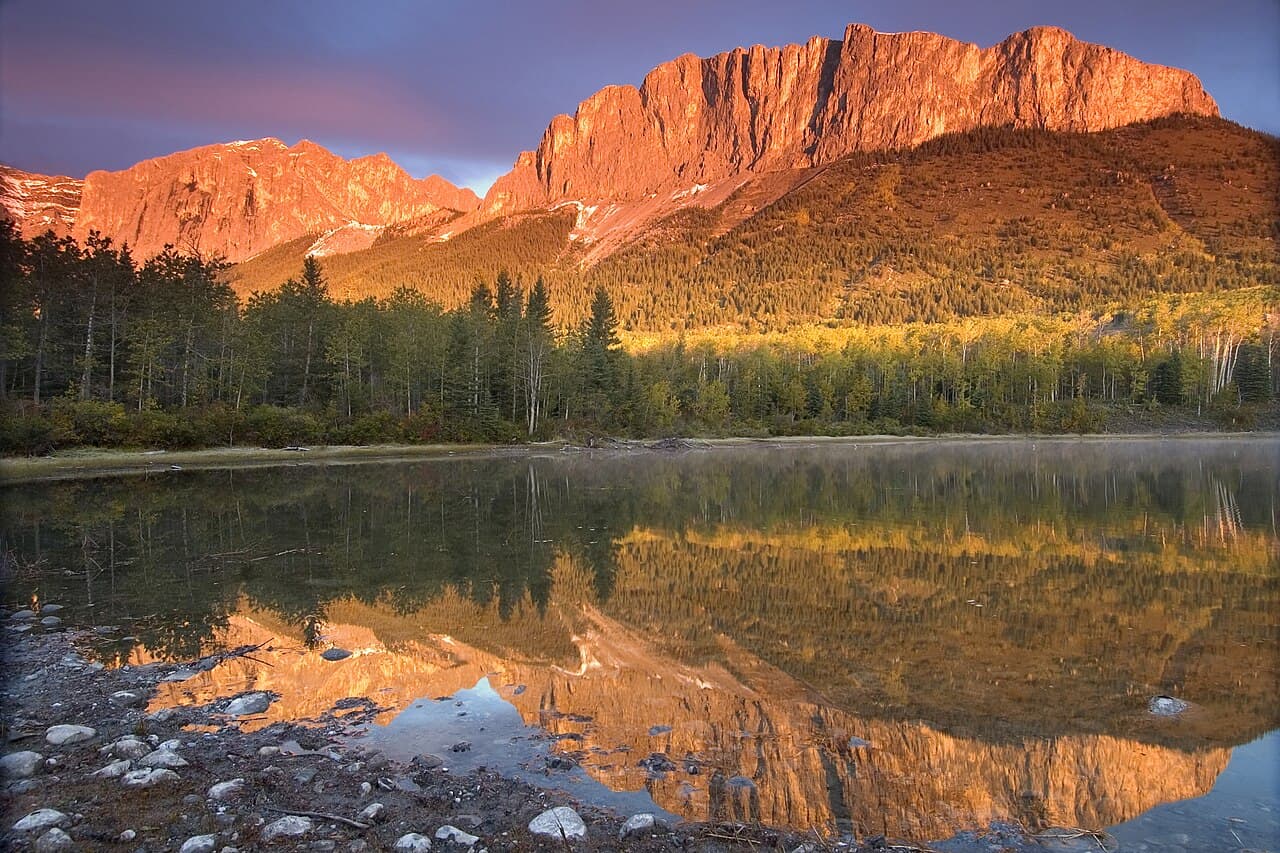
In winter the Bitterroot Valley goes still and silver — Lake Como locks into glassy quiet beneath snow-dusted peaks, and Hamilton's storefronts glow warm against short, cold days. This is a slow, low-mileage itinerary built for savoring rather than summiting.
At a Glance
Highlights
- Frozen stillness at Lake Como with the Bitterroots rising white behind it
- Wandering Hamilton's walkable historic main street at an unhurried pace
- Sandhill cranes and eagles over the snow-quiet wetlands of Lee Metcalf refuge
- Hearty, warming meals in cozy small-town cafés
- Minimal walking, maximal scenery — flat paths and frequent rest stops
- Two nights of true mountain-town quiet, far from any ski crowds
Day-by-Day Plan
Day 1: Settling In: Frozen Water and a Slow Main Street
A light, low-walking day (under 1.5 miles total) centered on Lake Como's winter stillness followed by an easy afternoon exploring Hamilton's historic downtown.
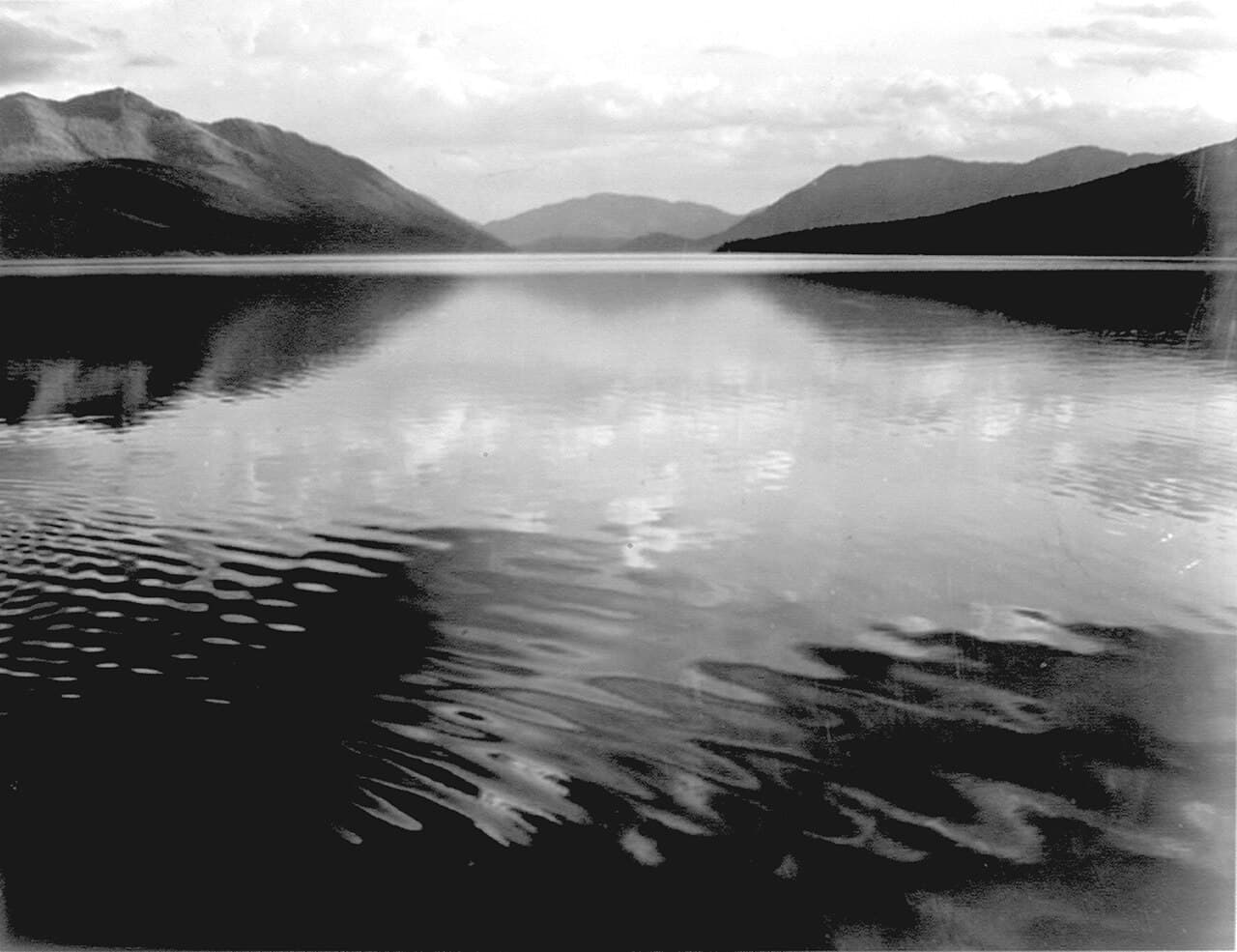
In winter, Lake Como turns into a study in stillness — the water often skimmed with ice near the shore, granite peaks dusted white and mirrored faintly on whatever open water remains. Arrive by 9:30 and you'll likely have the entire shoreline to yourself; the flat lakeside path is manageable even with a light snow cover, and there are enough clearings to simply stand and take in the quiet. This is not a hike so much as a slow, breath-fogging pause among mountains.
The day begins gently, with a drive out to Lake Como where winter has hushed everything — no boat motors, no crowds, just the creak of cold air and perhaps a raven overhead. The lake's edges glaze with ice while the center often stays a deep, clear blue-green, and the surrounding peaks stand sharp and snow-capped against a pale winter sky. This is a stop built for standing still, breathing deep, and letting the scale of the mountains settle in after a day of travel.
After lunch, the pace shifts into Hamilton's compact, walkable downtown — a few blocks of historic storefronts, galleries, and local shops where the cold makes duck-in browsing especially appealing. Wooden buildings and old brick facades carry a frontier warmth, and benches along the main street (when clear of snow) offer spots to rest between stops. There's no rush here; this is unstructured wandering, best done at whatever pace feels comfortable.
As the short winter daylight fades by late afternoon, dinner becomes the natural centerpiece of the evening — something warm, unhurried, and close to lodging, given how early the cold and darkness settle in. Plan to be seated well before 7 PM, since most Hamilton restaurants wind down service early in winter, and let the evening close quietly with the valley settling into deep, star-filled cold outside the window.
Day 2: Wetlands, Wingbeats, and Valley Light
A moderate, flat-terrain day (roughly 1–1.5 miles of walking) exploring the wintering wetlands of Lee Metcalf National Wildlife Refuge near Darby, paired with a relaxed return to Hamilton.
Winter mornings at Lee Metcalf carry a hushed, almost reverent quiet — cattails rattling stiffly in the cold, ice rimming the wetland edges, and if you're lucky, a bald eagle riding the thermals above the frozen ponds. Arrive by 9 AM for the best light and the quietest trails; weekday mornings here are essentially solitary even outside migration season. The auto tour route and viewing platforms offer accessible vantage points without demanding much walking, letting you take in the full sweep of valley floor framed by the snow-covered Bitterroots.

The morning unfolds slowly at Lee Metcalf, where winter strips the wetlands down to their essentials — ice, reeds, distant mountains, and the occasional silhouette of a hunting eagle overhead. Sandhill cranes may have moved on by deep winter, but the resident hawks and waterfowl still animate the marsh, and the absence of summer crowds makes every sighting feel personal. Walking is minimal and flat near the main platforms, making this an easy, contemplative morning suited to unhurried observation.
By early afternoon, the return drive north toward Hamilton offers its own quiet reward — wide views of the snow-covered valley floor with the Bitterroot Range standing sentinel to the west. This is a good window for a relaxed lunch and perhaps a return visit to any Hamilton shops missed the day before, keeping exertion low as the cold deepens and daylight begins its early winter fade.
With the sun dropping behind the mountains well before 5 PM, evening arrives early and invites an unrushed, warming dinner — ideally seated before 7 PM given the valley's early-closing rhythm. This final evening is best spent without an agenda: settling into a quiet meal, reflecting on two days of frozen lakes and wide winter skies, and letting the valley's deep, star-bright cold close out the trip.
Want to tweak this trip?
Our AI planner can customize this itinerary to your exact dates, interests, and travel style.
Customize This ItineraryRestaurant details (hours, menus, availability) change frequently, especially in winter when small-town establishments may adjust hours seasonally. Check current hours before visiting.
Dietary compatibility tags are general guidance. If you have severe allergies, confirm directly with the restaurant.
Travel tips are general guidance, not professional safety advice. Check government advisories and Montana road condition reports for the latest information before winter travel.
All prices are approximate and may vary seasonally.