3 DaysCouples5 Stops

Bitterroot Valley (Hamilton, Darby), Montana

3-Day Itinerary for Couples

β€œPeaks, Water & Quiet Wings: Three Days in the Bitterroot Valley”
Peaks, Water & Quiet Wings: Three Days in the Bitterroot Valley

Here, the Bitterroot Mountains rise like a held breath above cottonwood-lined water, and the valley floor exhales slow, golden light long into summer evenings. This is a place built for unhurried togetherness β€” for lake mornings, forest silence, and the kind of quiet that makes conversation feel unnecessary.

At a Glance

Climate & Weather
Summer days in the Bitterroot Valley run warm to hot, peaking near 73–85Β°F with intense midday sun; afternoons can bring sudden thunderstorms. Pack layers, sun protection, a light rain shell, and sturdy footwear for uneven trail surfaces.
Getting Around
A car is essential β€” distances between clusters range from ten minutes to over an hour, and there's no public transit. Roads are well-maintained but winding; fill your tank in Hamilton before heading toward Darby or into the forest.
Budget
Budget roughly $120–180 per day for two, covering meals, one splurge dinner, and modest activity costs like trail permits or lake access.
Safety
This is genuinely wild country β€” carry bear spray on any forest hike, stay aware at dawn and dusk when wildlife is most active, and let someone know your general plans if heading into the high country. Roads within town are easy, but mountain routes reward caution and full water bottles.
Connectivity
Cell service is reliable in Hamilton and along US-93, but drops out quickly once you're in the forest or near the refuge β€” download maps and reservations in advance.
Local Tips
Restaurants close early here β€” plan dinner reservations before 8:30 PM. Arrive at trailheads and lake access points before 8 AM in July and August to beat both heat and crowds. Afternoon thunderstorms tend to build after 2 PM, so front-load outdoor time.

Highlights

  • Sunrise stillness at Lake Como before the day-trippers arrive
  • A full day lost in the granite spine of Bitterroot National Forest
  • Golden-hour wetlands at Lee Metcalf Refuge with cranes overhead
  • Hamilton's walkable historic main street for slow evenings
  • Wildflower meadows and alpine air at Trapper Peak overlooks
  • Romance-forward pacing with room to breathe between stops

Day-by-Day Plan

Settling In

Day 1: Arrival & the Gentle Mirror of Lake Como

A light, low-effort day easing into the valley's rhythm with a slow lake visit and an evening stroll through Hamilton's historic downtown β€” under 2 miles of walking total.

Wear
Comfortable walking shoes, a light layer for morning cool, sun hat, and a packable rain jacket for the chance of afternoon showers.
Budget
$90–130 for two, including a relaxed dinner and light lake-day snacks
3:00 PM - 4:30 PM
Lake Como Β· afternoon Β· 90 min Β· Hamilton Downtown & Lake Como

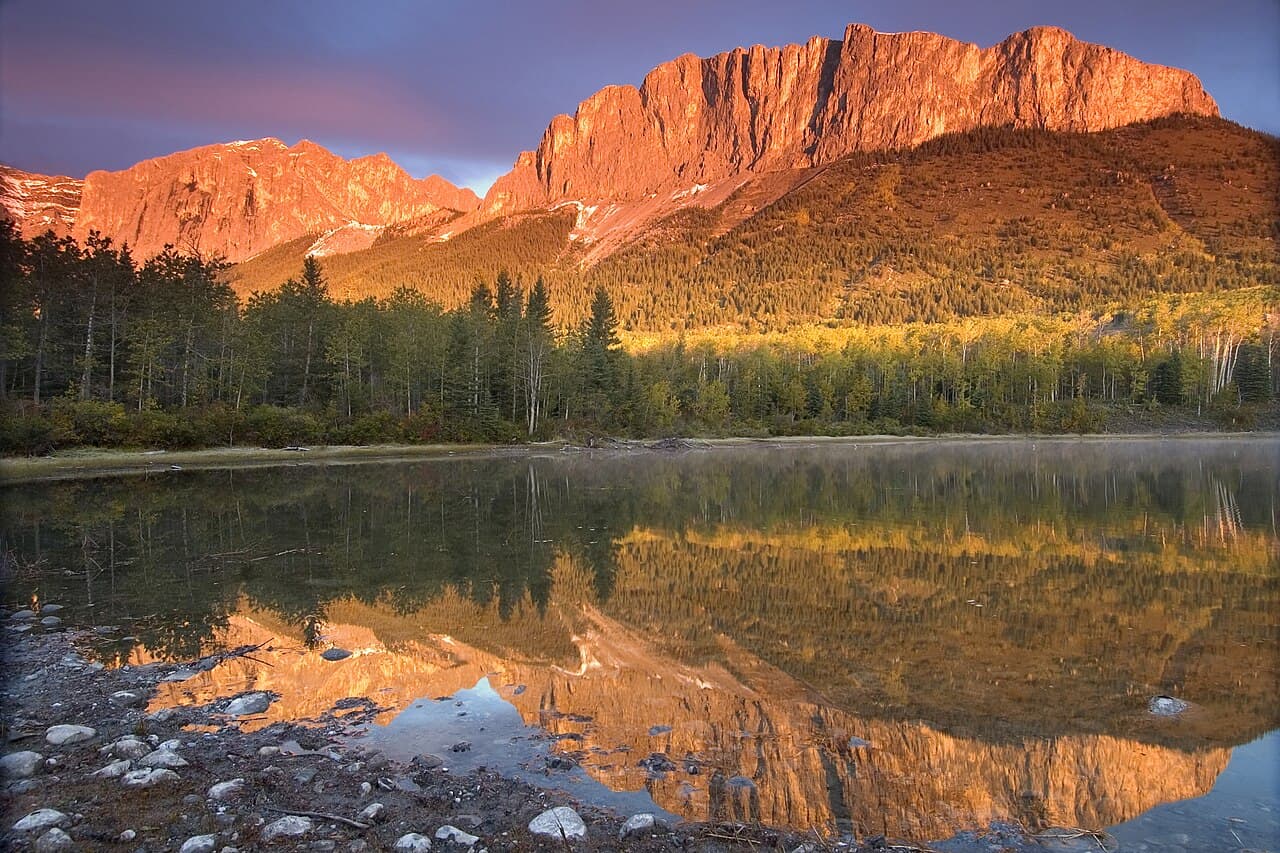
Arrive with the day's travel fatigue still on you and let the lake do the work β€” granite peaks lean over water so clear it seems to hold the sky twice. The path along the north shore is flat and easy, ideal for a slow, hand-in-hand walk with no agenda. Afternoon light here is soft rather than dramatic, which suits an arrival day just fine.

Lake Como
Chuck Szmurlo (talkΒ Β· contribs) / wikimedia (CC BY 3.0)
The north shore tree line offers the clearest reflection shot; for drama, return another evening for west-facing dusk silhouettes.
Wheelchair-accessible with a flat path and sparse benches β€” pace yourselves and bring a cushion if you plan to sit lakeside for a while.
If it rains: If afternoon showers roll in, the lake is still lovely in light rain β€” shorten the visit and shift the evening earlier into Hamilton's covered storefronts and galleries instead.

Travel day β€” settle into lodging, unpack, and let the valley's slower pace begin to set in before any scheduled activity.

Head to Lake Como for a gentle, low-key introduction to the Bitterroots. There's no itinerary pressure here β€” just water, granite, and the first real exhale of the trip.

Wander Hamilton's walkable historic downtown as the light lengthens. Restaurants close early in this town, so aim to be seated by 7:30–8 PM; use the evening to simply adjust to mountain time and mountain quiet.

Alpine Immersion

Day 2: Into the High Country

A full, high-energy day exploring Bitterroot National Forest's granite peaks and forest trails β€” expect 3–4 miles of hiking at a comfortable pace with generous rest stops.

Wear
Sturdy hiking boots, moisture-wicking layers, sun protection, a packable rain shell, and bear spray clipped somewhere accessible.
Budget
$100–150 for two, including trail snacks, a lodge-style lunch, and dinner back in Hamilton
35 min drive β€” A winding forest road climb from Hamilton, windows down, the valley floor dropping away behind you
7:30 AM - 11:30 AM
Bitterroot NF Β· morning Β· 240 min Β· Bitterroot National Forest & High Country

Arrive by 7:30 and the trailhead is nearly yours β€” by mid-morning in July, lots fill fast. The forest opens into lodgepole shade before giving way to granite views toward Trapper Peak, the air sharp with pine resin and the sound of unseen creeks. This is the trip's centerpiece: choose a shorter loop trail if you want more time for lingering at viewpoints, or push toward the Trapper Peak overlooks for sweeping views across the Main Bitterroot divide.

Bitterroot NF
Host, John R Schlieter, Joyce A Forestry Sciences Laboratory (Missoula, Mont.) 1n / wikimedia (Public domain)
Trapper Peak summit views are best in the soft light of mid-to-late morning, before haze builds; West Fork valley at sunrise is the more dramatic (earlier) alternative if you're willing to leave before dawn.
Trails here are not wheelchair accessible and involve uneven, high-elevation terrain β€” pace with rest stops and plenty of water.
10 min drive β€” A short hop deeper into the forest system, gravel crunching underfoot as you park at a quieter pullout
1:00 PM - 3:00 PM
Bitterroot NF Β· afternoon Β· 120 min Β· Bitterroot National Forest & High Country

After a proper lunch break, ease into a gentler stretch of the same forest β€” a lower riverside walk or shaded pullout rather than another summit push, letting the morning's exertion settle. The light through the trees turns lazier by early afternoon, and there's a good chance of having long stretches of trail to yourselves.

Bitterroot NF
Host, John R Schlieter, Joyce A Forestry Sciences Laboratory (Missoula, Mont.) 1n / wikimedia (Public domain)
Mirror Lake reflections, if accessible this late in summer, reward a short detour with genuinely still water.
Choose the flatter riverside sections if energy is flagging β€” benches are sparse, so a portable seat cushion helps.
Optional detour: Skalkaho Pass scenic pullouts β€” Between the morning hike and the afternoon forest walk
A scenic driving detour offers sweeping valley views without added hiking exertion, useful if legs need a break. Skip if: Skip if you're maximizing trail time or if afternoon thunderstorms are already building on the horizon.
If it rains: Lower-elevation forest trails stay passable in light rain, but alpine routes become genuinely risky β€” shift the day toward the Skalkaho Pass scenic drive or spend the afternoon in Hamilton's museums and downtown instead.

Rise early and drive up into Bitterroot National Forest while the trailhead is still empty and the air still cool. Choose a trail suited to your energy β€” a shorter loop or a push toward Trapper Peak's granite overlooks β€” and let the scale of the place sink in slowly, with plenty of pauses for water, wildflowers, and the sound of wind through lodgepole pine.

After lunch, return to the forest for a gentler second act: a shaded, lower-elevation walk that trades summit views for stillness and creek sound. This is the day's quieter half, deliberately paced to avoid stacking two demanding hikes back to back.

Drive back down into Hamilton as the heat breaks, and let the evening be unhurried β€” an early dinner, tired legs, and the particular satisfaction of a day spent somewhere genuinely wild.

Wildlife & Wind-Down

Day 3: Wetlands, Wings & a Slow Farewell

A moderate-energy day exploring the wetlands of Lee Metcalf Refuge near Darby, followed by a relaxed final evening back in Hamilton β€” roughly 2 miles of easy walking.

Wear
Layered clothing for cool mornings, waterproof boots if trails are muddy, binoculars if you have them, and sun protection for midday.
Budget
$90–140 for two, including a splurge dinner in Hamilton to close the trip
50 min drive β€” A relaxed drive south toward Darby, the valley narrowing and wilder by the mile
7:00 AM - 9:00 AM
Lee Metcalf NWR Β· morning Β· 120 min Β· Lee Metcalf Refuge & South Valley

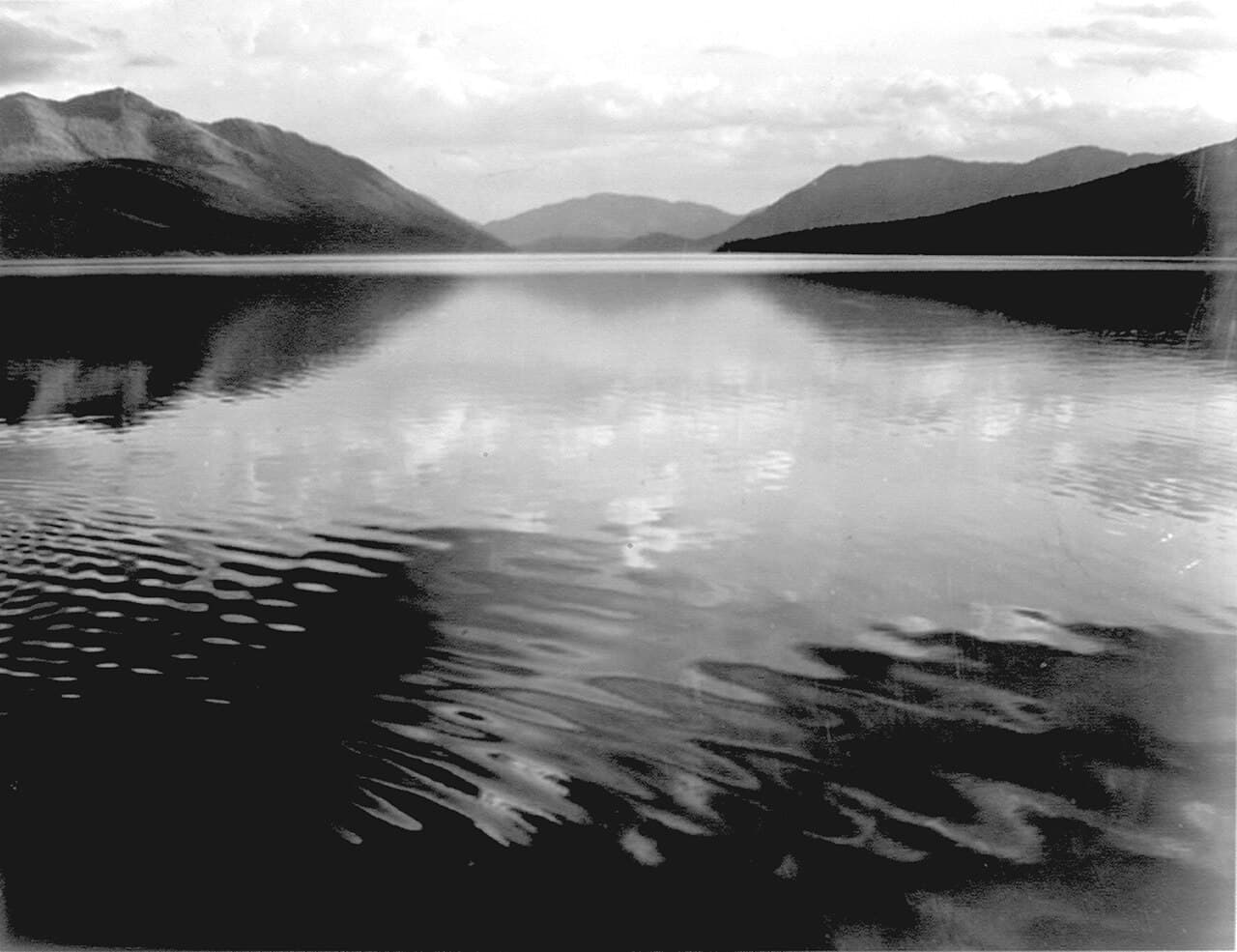
Arrive at first light and the refuge feels like it's still waking up β€” mist over the wetland pools, sandhill cranes calling somewhere unseen, cattails rustling in a breeze that hasn't yet warmed. This is the valley at its most serene, mountains framing every sightline without a single hard edge to the morning. Weekday mornings here are the quietest window of the whole trip.

Lee Metcalf NWR
U.S. National Park Service, restoration/cleanup by National Park Maps (https://npmaps.com) / wikimedia (Public domain)
The auto tour viewing platforms overlooking the main wetland pools offer the best light around 7:30–8 AM, mountains still holding shadow behind the water.
Trails are unpaved and can be muddy after rain β€” sturdy waterproof footwear makes a real difference here.
Optional detour: Bitterroot River overlook near refuge entrance β€” Right after arriving at Lee Metcalf NWR, before the main wetland loop
A quick, easy detour for river views and a good orientation point before the longer wetland walk. Skip if: Skip if mornings are tight on time or if cloud cover is already burning off β€” the wetland pools are the higher-value stop.
If it rains: The refuge remains accessible and often more rewarding in light rain β€” wildlife tends to be more active in overcast conditions β€” so this day holds up well even if the weather turns; just bring proper rain gear and waterproof boots.

Head south toward Darby while the valley is still cool and quiet, arriving at Lee Metcalf National Wildlife Refuge as the mist lifts off the wetland pools. Move slowly along the auto tour route, watching for cranes and eagles, and let this be the trip's most meditative stretch β€” no rush, no crowd, just water, wind, and mountains standing patient in the background.

Drive back north toward Hamilton with the afternoon open for whatever the trip still needs β€” a return visit to a favorite spot, a slow lunch, or simply rest before the evening. Let the pace loosen entirely; this is the wind-down half of the wind-down day.

Close the trip with a proper splurge dinner in Hamilton β€” reserve ahead, since tables fill and the town's kitchens close early. Let the evening run unhurried: good food, a shared glass of wine, and the particular quiet gratitude of a trip that gave you exactly the kind of togetherness this valley is built for.

Want to tweak this trip?

Our AI planner can customize this itinerary to your exact dates, interests, and travel style.

Customize This Itinerary
Good to Know

Restaurant details (hours, menus, availability) change frequently. Check current hours before visiting, especially in seasonal destinations.

Dietary compatibility tags are general guidance. If you have severe allergies, confirm directly with the restaurant.

Travel tips are general guidance, not professional safety advice. Check government advisories for latest information.

All prices are approximate and may vary seasonally.
We use cookies to improve your experience and analyze site usage. Essential cookies are always active. You can customize your preferences or accept all cookies. Cookie Policy