Bitterroot Valley (Hamilton, Darby), Montana
3-Day Itinerary for Couples
“Frost, Water, and Wing: Three Winter Days in the Bitterroot Valley”
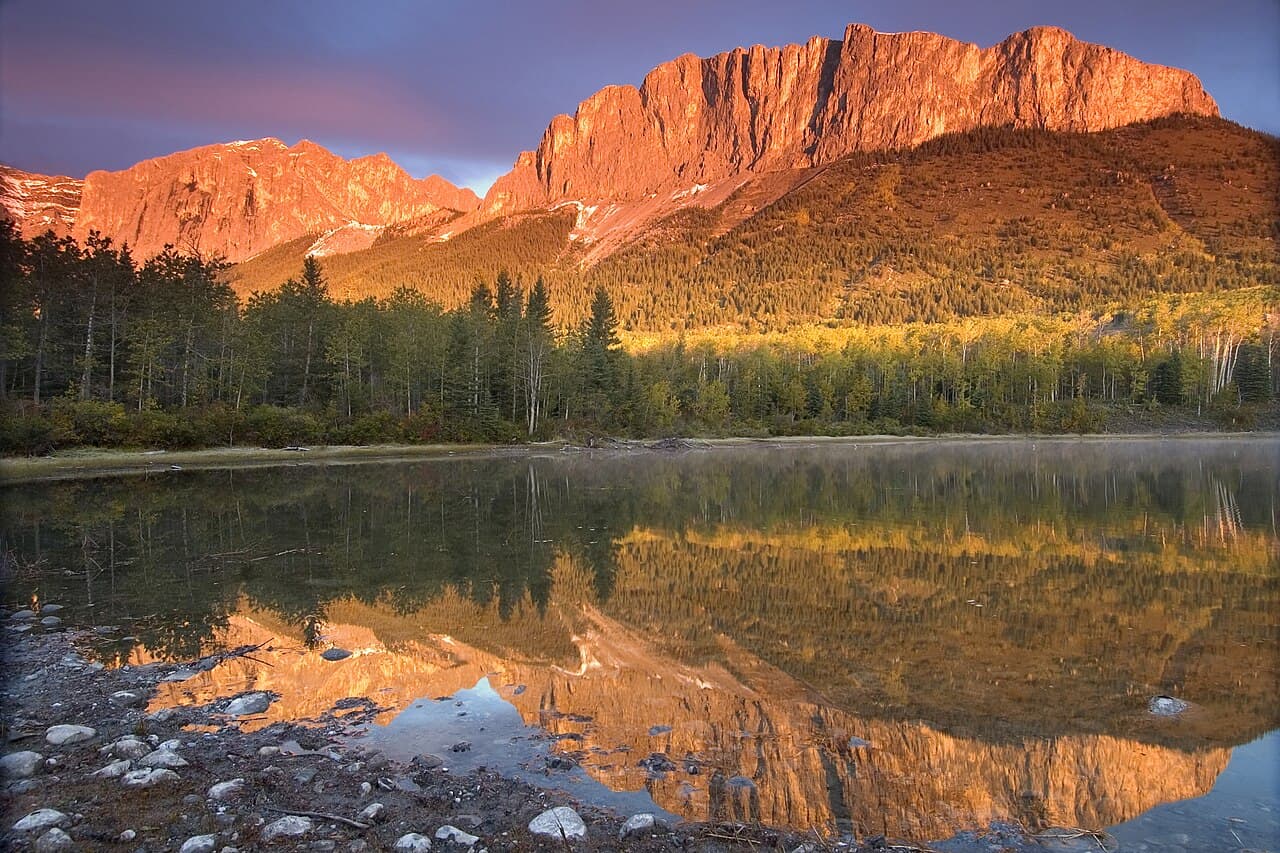
In winter the Bitterroot Valley goes hush — snow presses the sagebrush flat, breath hangs in the air over Lake Como's still water, and the mountains stand closer somehow, sharper against a low winter sun. This is a slow, intimate itinerary built for two: short daylight windows, warm fires, and landscapes that reward patience over pace.
At a Glance
Highlights
- Sunrise stillness at frozen Lake Como with the Bitterroots mirrored in ice-glass water
- A fireside evening on Hamilton's historic main street after a day in the snow
- Scenic winter drive into Bitterroot National Forest's high country solitude
- Sandhill cranes and eagles over frost-rimmed wetlands at Lee Metcalf Refuge
- Golden hour light on granite peaks from quiet, uncrowded viewpoints
- Cozy, unhurried dinners built around local trout and hearty ranch-country comfort food
Day-by-Day Plan
Day 1: Arrival and the Stillness of Lake Como
A light, low-effort day easing into valley time with under 2 miles of easy, flat walking around a frozen lake and a relaxed evening in downtown Hamilton.
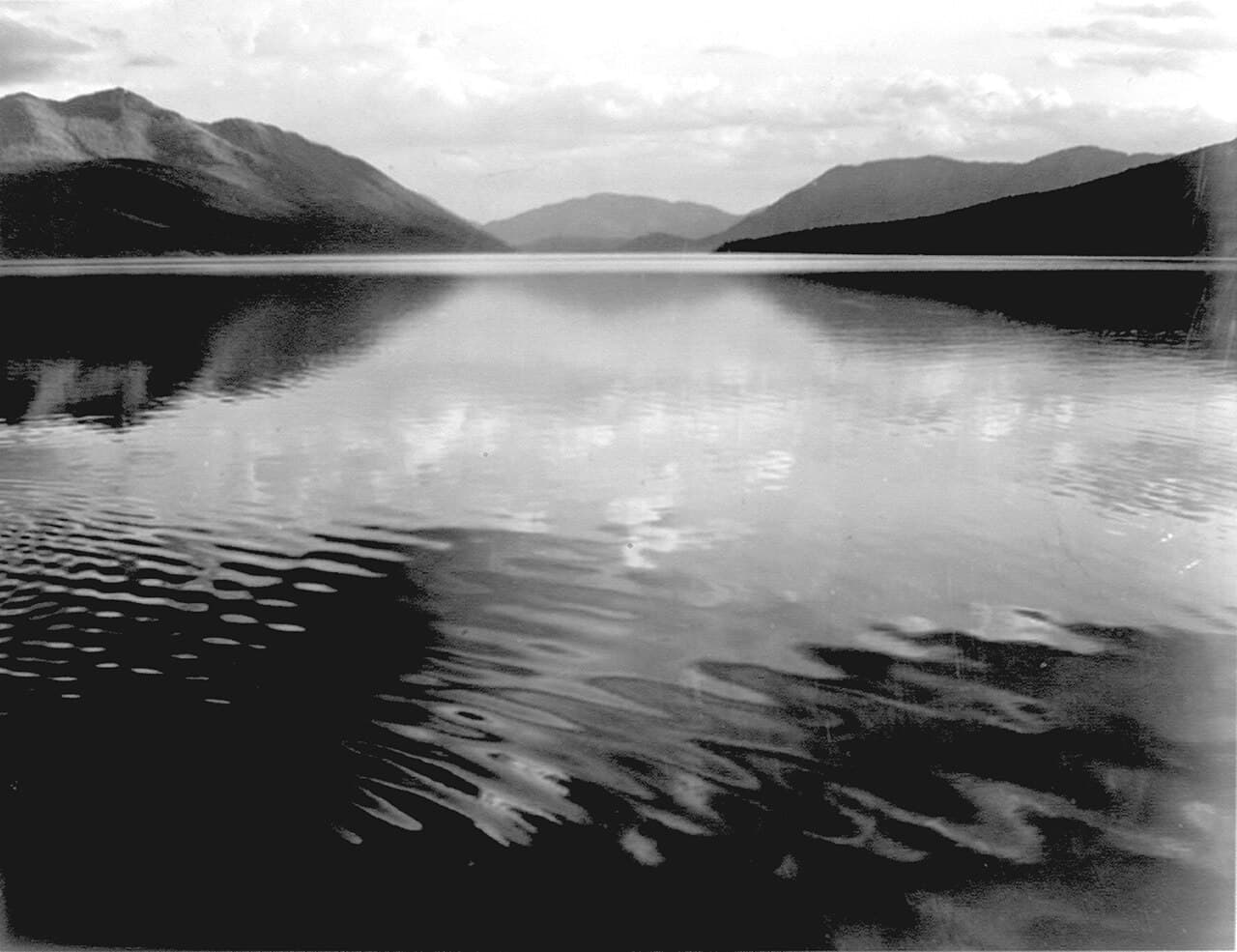
In winter, Lake Como turns glassy and still, its surface often skimmed with ice that catches the low sun like hammered silver. The peaks that carved this basin rise close and sharp against a pale sky, and with almost no one else here on a weekday morning, the quiet feels earned rather than accidental — just the occasional creak of ice or call of a raven. This is the kind of slow, wordless start that suits jet-lagged travelers and new arrivals alike.
Ease into the valley slowly. Lake Como in winter asks little of you beyond presence — bundle up, walk the flat accessible shoreline, and let the cold, clean air and mirror-still water do the resetting. There's no rush here; this is a morning built for arriving, not achieving.
With no further stops scheduled, let the afternoon breathe. Settle into lodging in Hamilton, take a short walk along the historic downtown blocks if energy allows, and let the short winter daylight set the pace rather than fight it.
As the early winter dark settles in, head into downtown Hamilton for a relaxed dinner — the town's cafés and casual spots lean toward hearty, warming comfort food, well-suited to a first night of settling in. Keep it low-key; save the splurge dinner for later in the trip.
Day 2: Into the High Country
A fuller day centered on a scenic winter drive and moderate forest exploration in Bitterroot National Forest, with roughly 2–3 miles of walking on lower-elevation trails and pullouts.
Winter strips Bitterroot National Forest down to its essentials: white-crusted lodgepole pines, the muffled hush of snow-laden slopes, and granite peaks that seem to hang closer in the cold, clear air. Arrive early — by 9am the forest roads are nearly empty, and the light through the trees has a low golden quality that lingers most of the morning. Rather than a summit push, this is a day for the accessible lower trails and scenic overlooks near the West Fork valley, where the drama of the peaks is visible without technical winter mountaineering — ideal for a couple seeking awe without risk.
Set out early for Bitterroot National Forest while the roads are still quiet and the light is soft and low. Stick to the accessible lower valley trails and scenic pullouts rather than attempting alpine routes — the forest in winter delivers its drama through stillness and scale rather than exertion, all rushing creeks gone silent under ice and peaks rendered stark white against deep sky.
As the morning's cold clarity gives way to the brief winter afternoon, begin the drive back toward Hamilton. If daylight and energy allow, consider a short stop at Lee Metcalf Refuge on the way, though it's just as well saved fresh for tomorrow — winter days are short, and there's no need to rush the return.
Tonight calls for the trip's splurge dinner: settle into one of Hamilton's more considered restaurants for a slower, candlelit meal — local trout, hearty ranch-country fare, and unhurried conversation after a day spent in big, quiet landscapes. Reserve ahead, as the town's dining rooms are small and fill even in the off-season.
Day 3: Wetlands, Wings, and a Slow Goodbye
A gentler final day centered on the wetlands and valley views of Lee Metcalf Refuge, with light walking (under 2 miles) suited to a relaxed departure pace.
Winter mornings at Lee Metcalf Refuge carry a particular hush — frost rimming the cattails, the valley's mountains sharp-edged in the cold air, and if you're lucky, the distant call of overwintering waterfowl or the silhouette of an eagle riding thermals above the wetland pools. Arrive by 8:30am for the quietest window, when the light is low and gold and the refuge feels entirely yours. It's a moderate-energy close to the trip — contemplative rather than strenuous, and a fitting last full stop before heading home.

Close out the trip gently at Lee Metcalf Refuge, where winter's stillness makes even a short visit feel rich — frosted wetlands, distant mountain views, and the quiet possibility of eagles or cranes overhead. This is a morning for slow observation rather than covering ground.
With the refuge visit complete, the pace naturally shifts toward departure. If time and routing allow, a final short stop back at Lake Como offers a fitting bookend to the trip, though it's entirely reasonable to head straight toward the airport or next leg of travel instead.
If timing allows a last meal in the valley, keep it simple and unhurried in Hamilton before departure — a quiet close to three days that moved at winter's own patient rhythm.
Want to tweak this trip?
Our AI planner can customize this itinerary to your exact dates, interests, and travel style.
Customize This ItineraryRestaurant details (hours, menus, availability) change frequently, especially in small seasonal towns. Check current hours before visiting.
Dietary compatibility tags are general guidance. If you have severe allergies, confirm directly with the restaurant.
Travel tips are general guidance, not professional safety advice. Check road conditions and government advisories before winter travel in mountain regions.
All prices are approximate and may vary seasonally.