3 DaysSolo Traveler3 Stops

Bitterroot Valley (Hamilton, Darby), Montana

3-Day Itinerary for Solo Traveler

Frozen Peaks & Quiet Waters: 3 Days Solo in the Bitterroot Valley

Frozen Peaks & Quiet Waters: 3 Days Solo in the Bitterroot Valley

Winter strips the Bitterroot Valley down to its essence: white peaks, dark timber, and a silence broken only by wind and the occasional call of a wintering eagle. This is a solo traveler's landscape — vast enough for solitude, small enough that the towns still feel like they're expecting you.

At a Glance

Climate & Weather
Winter in the Bitterroot Valley runs cold and dry, averaging 28–29°F with regular snow December through March. Pack real cold-weather layers: insulated boots, wool socks, a windproof shell, gloves, and a warm hat — mountain wind at higher elevations will cut through anything thin.
Getting Around
A car is essential — distances between clusters run 20–40 minutes and public transit doesn't serve the valley. Winter roads can ice quickly, especially on Skalkaho Pass and forest access roads (often closed entirely in deep winter); stick to US-93 and plowed county roads for reliability.
Budget
Budget roughly $60–90/day for a solo traveler — modest lodge or café meals, gas, and free-to-low-cost outdoor access (most refuge and forest sites have no entry fee in winter).
Safety
Solo travelers should let someone know their day plan, especially before entering Bitterroot NF backcountry — cell coverage is unreliable there. Carry bear spray even in winter (though encounters are rare), keep an emergency kit and blanket in the car, and check road conditions daily via MDT's 511 service before mountain driving.
Connectivity
Cell service is solid in Hamilton and along US-93 but drops out significantly inside Bitterroot NF and much of the Lee Metcalf refuge area. Download offline maps before heading into either.
Local Tips
Restaurants close early here (9–10 PM at the latest, often earlier in winter) so plan dinner before 8 PM. Mid-week visits mean near-total solitude at Lake Como and the refuge. Locals are friendly but value self-reliance — a nod and a real question goes further than small talk.

Highlights

  • Frost-rimmed shoreline solitude at Lake Como
  • Deep, hushed forest at the edge of 1.6 million wilderness acres
  • Sandhill cranes and eagles over frozen wetlands at Lee Metcalf
  • Empty trailheads and no summer crowds
  • Small-town main street in Hamilton, snow-dusted and quiet
  • Golden hour on granite peaks with nobody else around
  • A genuine, unhurried mountain-town rhythm

Day-by-Day Plan

Arrival & orientation

Day 1: Settling In: Lake Como's Winter Hush

A gentle first day easing into the valley's rhythm with a short, low-energy lakeside walk and quiet time in Hamilton; roughly 2 miles of walking total.

Wear
Insulated waterproof boots, heavy base layers, windproof outer shell, warm hat and gloves — lake-edge wind can be sharp even on calm days.
Budget
$50–70 (meals, incidental warmth stops)
9:00 AM - 10:30 AM
Lake Como · morning · 90 min · Hamilton Downtown & Lake Como

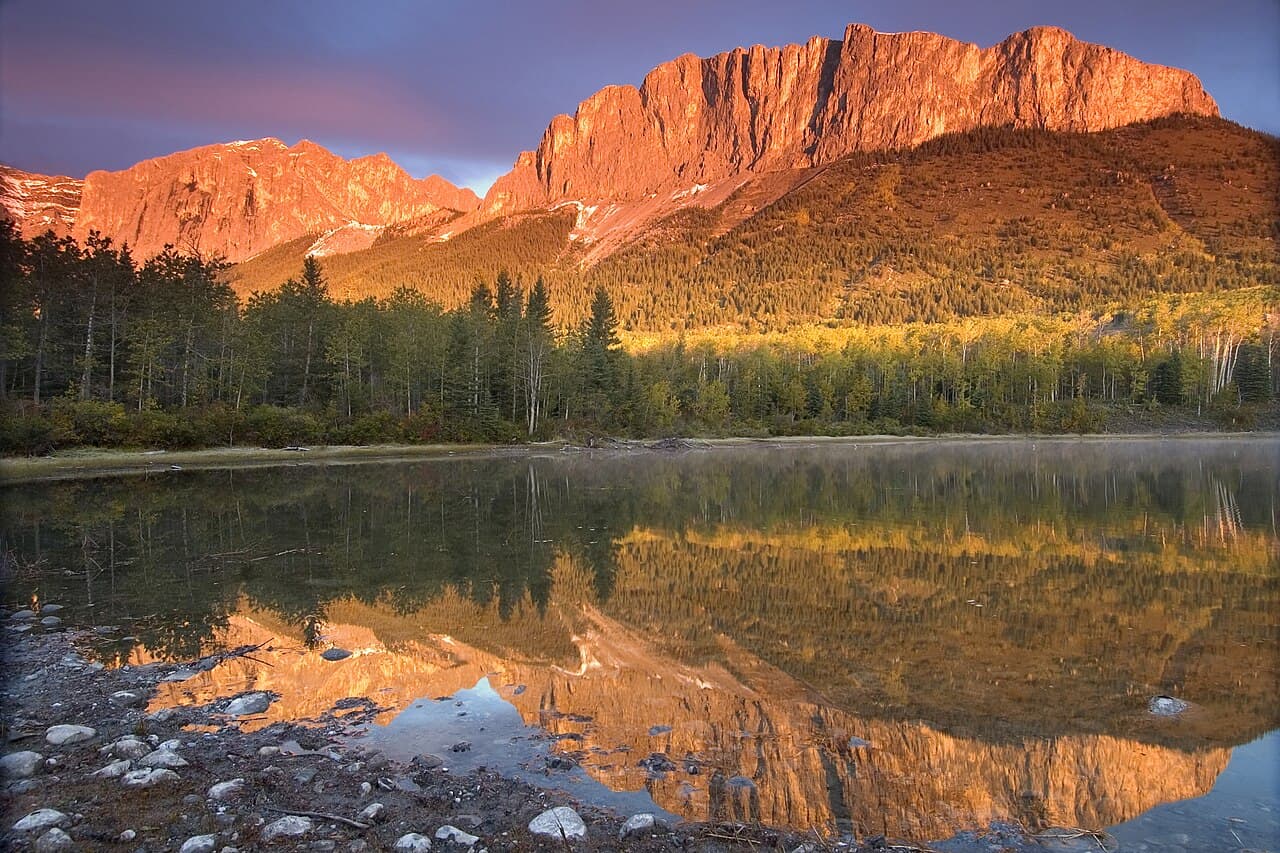
In winter, Lake Como turns still and pale, ice creeping along its edges while the granite peaks behind it stand starkly against a low sun. Arrive by 9 AM and you'll likely have the entire shoreline to yourself — no other footprints in the snow, just the soft crunch of your own boots and the occasional crack of ice settling. It's a gentle, meditative way to ease into the valley after travel, with flat accessible paths near the shore for easy walking.

Lake Como
Chuck Szmurlo (talk · contribs) / wikimedia (CC BY 3.0)
Shoot the north shore tree line around 9:30 AM when low winter light rakes across the ice for a soft, cold-toned reflection.
Paths near the lake are flat and wheelchair-accessible, though winter ice may require extra caution and trekking poles.
If it rains: If snow or ice makes the lakeside path treacherous, shorten the visit to the accessible viewpoint near the parking area and photograph from there rather than risking the full loop.

The day begins slow and low-key, easing travel fatigue with a short visit to Lake Como. Arriving early means near-total solitude — just the hush of winter water and the mountains standing guard. It's less about mileage and more about letting the pace of the valley settle in.

With the morning's cold air still in your lungs, the afternoon opens up for free wandering through Hamilton at your own pace — no fixed itinerary, just time to get oriented, warm up indoors, and adjust to the rhythm of a town that runs quieter and earlier than most.

Evenings here wind down fast; plan for an early dinner and a low-key night in, since most local spots close by 9 or 10 PM. Use the quiet hours to check weather and road conditions for the more demanding day ahead in Bitterroot NF.

Alpine wilderness

Day 2: Into the Wild: Bitterroot National Forest

A full, high-energy day exploring the forest's accessible winter trails and scenic pullouts, covering up to 4–5 miles depending on trail conditions.

Wear
Full winter hiking gear: waterproof insulated boots, microspikes or crampons if trails are icy, layered wool/synthetic clothing, insulated jacket, gloves, and a hat; bring extra layers in the pack.
Budget
$40–60 (mostly gas and a lodge-style meal; forest access is free in winter)
25 min driveA quiet morning drive south from Hamilton on US-93, the valley floor still frosted white, peaks sharpening into view as the road climbs slightly toward the forest boundary.
8:30 AM - 12:30 PM
Bitterroot NF · morning · 240 min · Bitterroot National Forest & High Country

Winter transforms Bitterroot NF into something hushed and severe — lodgepole pines heavy with snow, creeks running black against white banks, and a silence so complete you can hear your own breath. Solo travelers should stick to lower-elevation, well-traveled trails or scenic pullouts near the road in winter, since higher alpine routes become genuinely hazardous. Arrive early (before 9 AM) for the best light and to have the trailhead entirely to yourself; by midday a handful of other visitors may appear, but true crowding is a summer problem, not a winter one.

Bitterroot NF
Host, John R Schlieter, Joyce A Forestry Sciences Laboratory (Missoula, Mont.) 1n / wikimedia (Public domain)
Photograph the West Fork valley in the first hour of light, when backlit granite cliffs catch a cold gold glow against the snow.
Trails are unpaved and often icy or snow-covered — not wheelchair accessible in winter; stick to plowed scenic pullouts if mobility is a concern.
Optional detour: Bitterroot NFWithin the same forest visit, as an extended stop
If the day feels too short, extending time here rewards you with deeper solitude and better light for photography as the afternoon progresses. Skip if: If snow conditions are unstable or visibility drops, cut the visit shorter and prioritize returning to the valley floor before dark.
If it rains: If snow becomes heavy or roads unsafe, skip the higher forest routes entirely and instead take the scenic driving loop toward Skalkaho Pass (conditions permitting) or spend the day in Hamilton exploring its indoor spaces and galleries instead.

The morning is the heart of the day — hours spent moving through hushed, snow-heavy forest, the only sounds your own footsteps and the occasional creak of cold branches. This is Bitterroot NF at its most solitary, and solo travelers in winter will find it almost eerily peaceful.

As the light shifts toward afternoon, energy naturally tapers — this is the point to turn back toward the valley, warming up gradually as the drive descends from forest elevation back to Hamilton's more sheltered air.

After a physically demanding day, keep the evening simple: warm up, refuel, and get to bed at a reasonable hour, since tomorrow's wetland visit rewards an early start and clear-headed energy.

Wildlife & wetlands

Day 3: Wings Over Frozen Water: Lee Metcalf Refuge

A moderate-energy final day exploring the quiet winter wetlands near Darby, with easy walking totaling around 2–3 miles.

Wear
Waterproof boots (mud and ice both possible), warm layered clothing, gloves that allow camera operation, and a hat — wind across open wetland can be biting.
Budget
$30–50 (light meals, no entry fees)
30 min driveA calm morning drive south toward Darby, the valley narrowing slightly as the road follows the river, mountains closing in on both sides.
8:00 AM - 10:00 AM
Lee Metcalf NWR · morning · 120 min · Lee Metcalf Refuge & South Valley

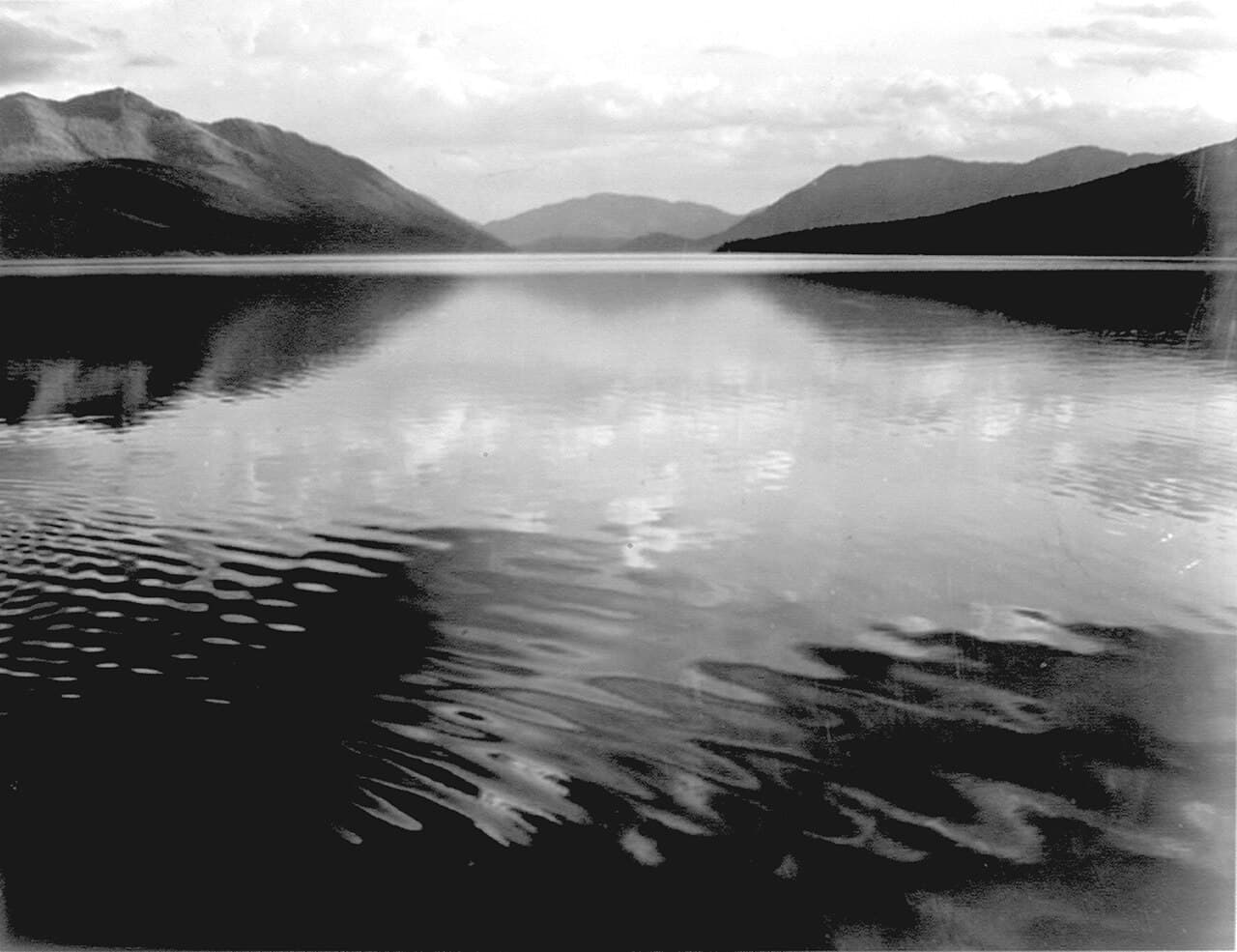
Winter mornings at Lee Metcalf are quiet in a different key than the forest — open sky, frozen cattails rattling in the wind, and if you're lucky, eagles perched motionless over the wetland ice waiting for open water. Sandhill cranes are less common in deep winter, but raptors are a real possibility, and the stillness makes every sound and movement stand out. Arrive by 8 AM for the best chance at active wildlife before human activity picks up, and bring binoculars if you have them — the auto tour viewing platforms offer the best vantage without disturbing anything.

Lee Metcalf NWR
U.S. National Park Service, restoration/cleanup by National Park Maps (https://npmaps.com) / wikimedia (Public domain)
Shoot from the auto tour viewing platforms in early morning light, when frost on the cattails catches a faint gold edge before it melts.
Trails are unpaved and can be muddy or icy; the viewing platforms offer the most accessible vantage point for those with mobility concerns.
Optional detour: Lee Metcalf NWRExtended time at the same site, late morning into midday
Lingering longer increases the odds of spotting eagles or other winter raptors as activity picks up with the warming late-morning air. Skip if: If the cold becomes uncomfortable or the wind is strong, a shorter visit still captures the essence of the place without unnecessary exposure.
If it rains: In heavier snow or rain, the refuge remains accessible — trails simply get muddier — and overcast conditions often mean more active wildlife, so this day adapts well to poor weather without needing an alternate plan.

The final morning is quieter and slower-paced than the forest day before it — wide-open wetland views, distant mountain framing, and the patient work of watching for movement in the reeds and sky.

With the core activity finished by late morning, the early afternoon is left open and unstructured — a good window for a final unhurried walk, a last look at the mountains from the valley floor, or simply resting before departure.

As the trip winds down, keep plans simple: an early dinner, a last quiet look at the darkening peaks, and rest ahead of any travel departure the next morning, honoring the valley's own early-to-bed rhythm.

Want to tweak this trip?

Our AI planner can customize this itinerary to your exact dates, interests, and travel style.

Customize This Itinerary
Good to Know

Restaurant details (hours, menus, availability) change frequently, especially in small seasonal towns. Check current hours before visiting.

Dietary compatibility tags are general guidance. If you have severe allergies, confirm directly with any restaurant before ordering.

Travel tips are general guidance, not professional safety advice. Check current road conditions and government advisories before winter travel in this region.

All prices are approximate and may vary seasonally.
We use cookies to improve your experience and analyze site usage. Essential cookies are always active. You can customize your preferences or accept all cookies. Cookie Policy