Bitterroot Valley (Hamilton, Darby), Montana
3-Day Itinerary for Teen Families
“Frost, Peaks & Quiet Water: 3 Days in the Bitterroot Valley”
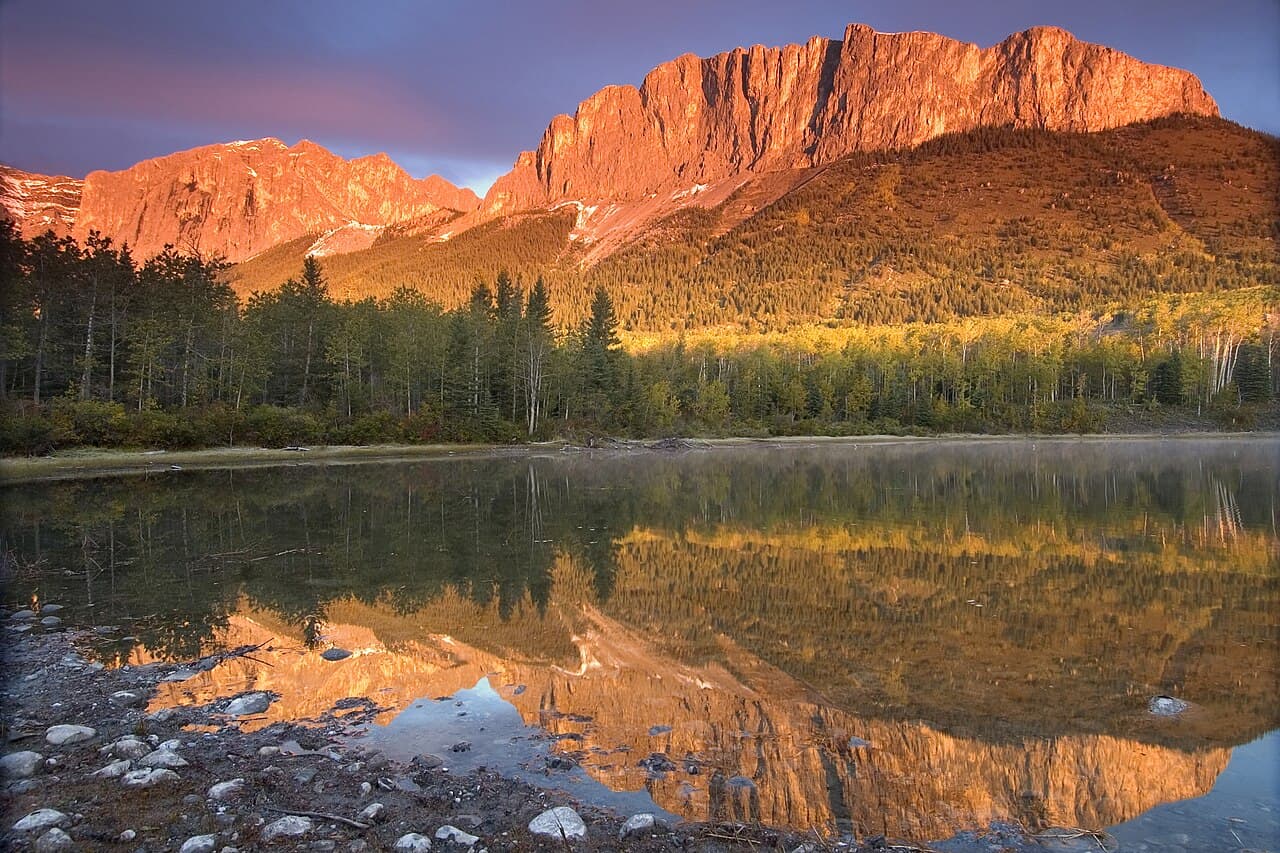
Snow settles over the Bitterroot and Sapphire ranges like a held breath, and the valley floor goes quiet enough to hear your own boots crunch. This is a slow, cold, wide-open kind of trip — one where teens get room to roam and parents get mountain views they won't forget.
At a Glance
Highlights
- Frozen hush of Lake Como's shoreline at sunrise
- Snow-draped lodgepole pines in Bitterroot National Forest
- Sandhill cranes and eagles over frosted wetlands at Lee Metcalf
- Golden-hour peak reflections with almost no other visitors
- Small-town Montana pace — early dinners, big skies
- Low-crowd winter access to trails packed in summer
- A genuine unplugged reset for teens and parents alike
Day-by-Day Plan
Day 1: Settling In: Lake Como's Frozen Calm
A light, low-exertion first day (under 2 miles walking) centered on Lake Como's flat, accessible shoreline to ease into valley time and altitude.
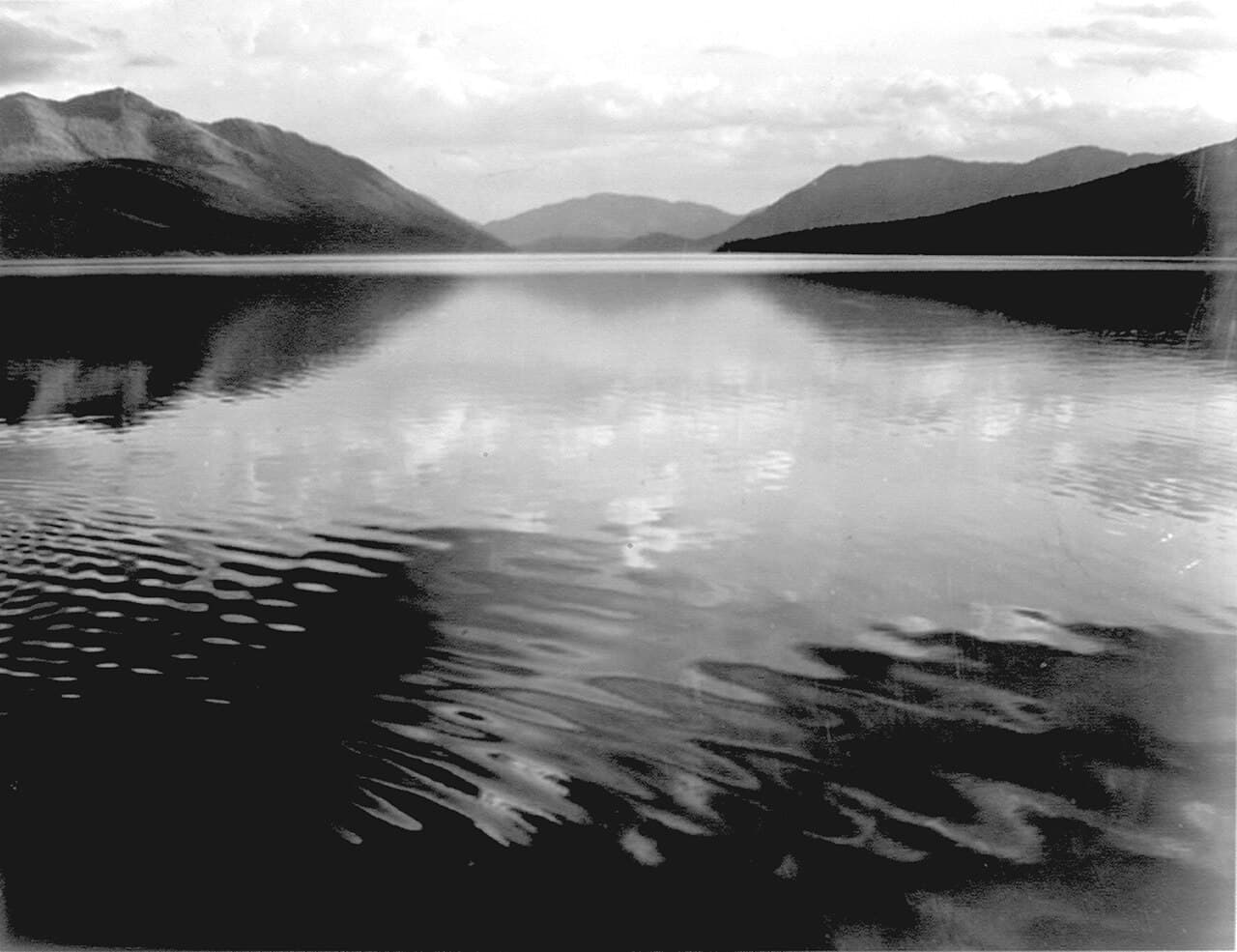
The lake arrives quiet and still, its surface either glassy or lightly iced at the edges, granite peaks doubling themselves in the water when the wind cooperates. In winter the crowds vanish entirely, so the family can walk the flat shoreline path at an easy pace, breath visible in the cold air, without dodging other visitors. Teens will appreciate the photo payoff — snow-dusted peaks mirrored in blue-green water — without much physical demand.
The drive into the valley slows everything down — snow-frosted fence lines, the Bitterroot range rising ahead like a wall of white teeth. At Lake Como, the family steps out into crisp, still air, the kind that makes conversation quieter without anyone trying. The shoreline trail is flat and forgiving, ideal for an arrival day when legs (and moods) need an easy start rather than a summit push.
With the morning kept deliberately light, the afternoon is left open for settling into lodging, resting up from travel, and letting teens explore at their own pace nearby — a good moment for some independence within a small, safe radius. Energy naturally shifts from outdoor cold to indoor warmth as the short winter daylight starts fading by mid-afternoon.
Dinner should happen early given the valley's quiet-town rhythm — most kitchens wind down by 9pm, earlier in winter. Keep it simple and warm: this is a night for hot food, dry socks, and low expectations, setting the stage for the more active days ahead.
Day 2: Into the White: Bitterroot National Forest
The most physically active day (up to 4 miles walking on lower forest trails) with high alpine scenery balanced by family-paced trail choices.
The forest in winter feels enormous and hushed — snow-laden lodgepole pines lining quiet lower trails, the occasional creak of a branch under fresh snow the loudest sound around. Arrive by 8:30am and the trailhead lot is essentially empty, a rare thing here even in shoulder season, let alone deep winter. Stick to the lower-elevation family-friendly routes rather than alpine basin trails, which turn genuinely hazardous with snowpack — this keeps the pace safe while still delivering real wilderness scale for teens who want adventure without technical risk.

A slower midday stretch — a scenic drive loop or a flatter riverside walk within the forest, giving legs a break while still keeping the family inside the same wild landscape. This is a good window for a packed lunch eaten trailside or from the car, since dining options near the forest itself are essentially nonexistent this deep into winter.
The forest swallows sound in winter — no birdsong, just the occasional gust moving through pine boughs heavy with snow. Trailheads that would be crowded by mid-morning in July are empty at 8:30am, giving the family a rare sense of true solitude on trails that still feel dramatic: granite ridgelines, dense white forest, and a scale that makes teenagers stop scrolling and actually look up.
After the more demanding morning stretch, the pace deliberately eases — a flatter walk or scenic drive loop lets tired legs recover while keeping everyone inside the same wild, quiet landscape. This is also a natural point to eat a packed lunch trailside, since options this far into the forest are limited; plan meals around town rather than expecting anything at the trailhead.
The drive back down toward town as light fades is its own quiet reward — shadows stretching long and blue across the snow. Given the valley's early-closing restaurant rhythm, aim to be back and settled well before 8pm, leaving room for a warm dinner and an early wind-down after a physically full day.
Day 3: Wetlands in Winter Light: Lee Metcalf Refuge
A moderate, lower-impact final day (roughly 2 miles walking) focused on wildlife viewing and calm valley-floor scenery near Darby.
Arrive early and the refuge belongs almost entirely to the family — cold air carrying the distant calls of sandhill cranes, cattails rustling stiff with frost, mountains framing the wetlands on every side. Winter thins the wildlife somewhat compared to spring migration, but eagles are a common sight overhead, and the stillness itself becomes the main event — a deliberate contrast to the high-energy forest day before it.

The wetlands feel like the valley exhaling after two active days — flat, wide, and quiet, with just enough wildlife movement to keep teens engaged without demanding another hike. Arriving early rewards the family with near-total solitude and the sharpest frost-lit views, cranes calling somewhere out over the reeds.
With one moderate stop as the day's anchor, the afternoon opens up as a soft landing before departure or onward travel — a good window for a relaxed final walk, packing up, or simply letting the morning's stillness settle before the trip wraps.
As the shortest-day winter light fades early, plan any final dinner well before the valley's kitchens close for the night. It's a fitting close to a trip built around quiet extremes — frozen lake, snow-heavy forest, and now a wetland hush — each day offering its own distinct rhythm within the same wide valley.
Want to tweak this trip?
Our AI planner can customize this itinerary to your exact dates, interests, and travel style.
Customize This ItineraryRestaurant details (hours, menus, availability) change frequently, and this itinerary intentionally omits specific restaurant names where no verified dining data was available near these POIs — plan meals around Hamilton or Darby town centers rather than expecting options at trailheads or refuge entrances.
Dietary compatibility tags are general guidance. If you have severe allergies, confirm directly with any restaurant before dining.
Travel tips are general guidance, not professional safety advice. Check government and local road-condition advisories for the latest winter driving and trail information.
All prices are approximate and may vary seasonally.