Bitterroot Valley (Hamilton, Darby), Montana
5-Day Itinerary for Couples
“Frost, Peaks & Firelight: Five Winter Days in the Bitterroot Valley”
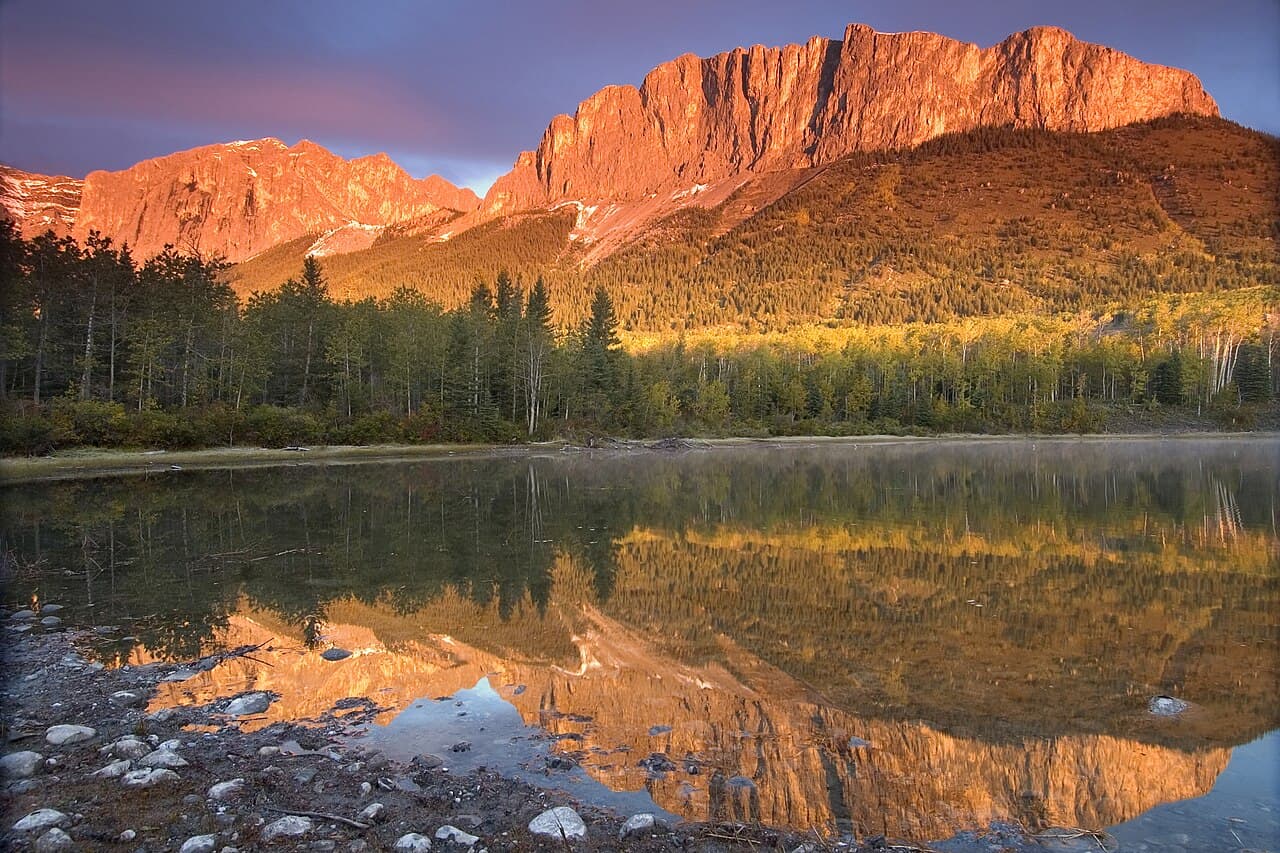
Snow settles over the Bitterroot like a held breath, the peaks going silver-blue at dusk while woodsmoke curls from chimneys in Hamilton's quiet main street. This is a valley built for slowing down together — for fogged breath, hot drinks, and skies that clear to impossible stars.
At a Glance
Highlights
- Frozen hush of Lake Como at sunrise
- A full day lost in the white wilderness of Bitterroot National Forest
- Sandhill cranes and eagles over the winter wetlands of Lee Metcalf
- Golden-hour drives along the valley floor with the range lit rose and gray
- Slow mornings and firelit dinners in downtown Hamilton
- A splurge dinner worth dressing up for
- Genuine solitude — this valley empties out in winter
Day-by-Day Plan
Day 1: Arrival & the Valley's Quiet Welcome
A gentle arrival day with one easy, scenic stop and an early dinner in Hamilton — about 1 mile of walking, low energy.
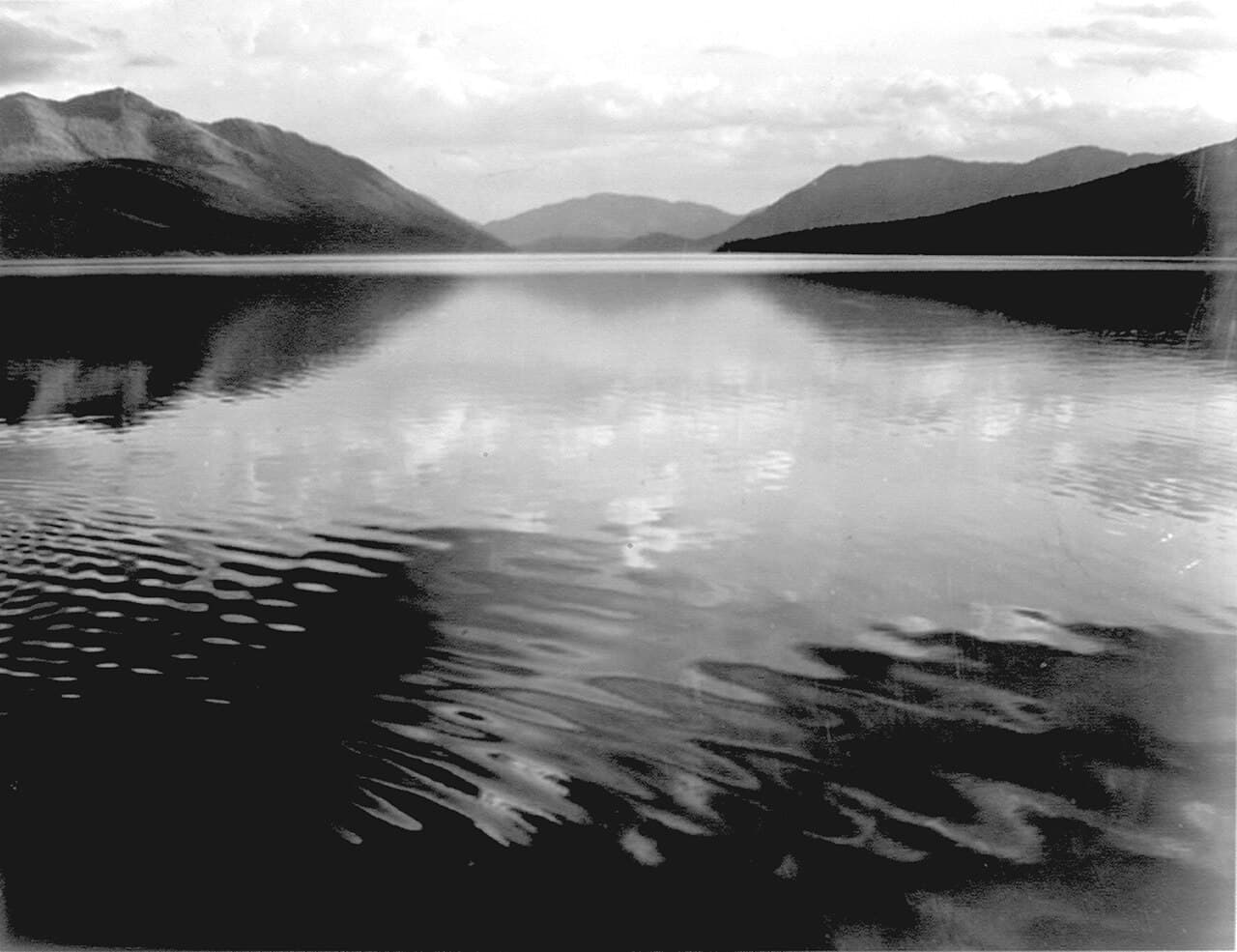
After the drive down from Missoula, let Lake Como be your first breath of the valley — in winter its surface often carries a skin of ice near the shore, the peaks behind it dusted white and mirrored faintly in the still water where it hasn't frozen. It's a low-key, flat, easy walk, perfect for shaking off travel stiffness without demanding much of tired legs. Arrive before 3:30pm to catch the last warm light on the granite peaks before the valley slides into blue winter dusk.
Travel day — most of the morning is spent making the scenic 90-minute drive south from Missoula on US-93, the Bitterroot Range unfolding gradually to the west under a typically pale winter sky. Take it slow; icy patches are common on this stretch in early morning.
By early afternoon, settle into the valley with an easy stop at Lake Como, letting its stillness and cold, clean air mark the real beginning of the trip. There's no rush here — this is about resetting your pace to match the valley's own unhurried rhythm.
Head into Hamilton as the light fades, timing dinner for early evening since most restaurants close by 9 or 10pm. Settle into a warm, unhurried meal, and let the first full dark of the Bitterroot night — deep and star-heavy away from town lights — be your welcome to the valley.
Day 2: Into the White Wilderness
A full day in Bitterroot National Forest with scenic winter driving and lower-elevation trail walking — roughly 2–3 miles, moderate-to-high energy depending on conditions.
In winter, Bitterroot National Forest turns into something closer to silence made visible — snow-laden lodgepole pines, creeks half-frozen but still audible under the ice, and views of Trapper Peak and the Main Bitterroot divide sharpened by clear cold air. Higher alpine trails are best left for summer, but the lower-elevation forest roads and short accessible trails near the valley floor remain a genuinely awe-inducing outing for couples, especially with almost no other visitors in sight. Arrive by 9am — the forest is essentially empty on winter weekdays, and the morning light through bare branches and snow is extraordinary for photos.
Set out early for Bitterroot National Forest, driving into a landscape that feels genuinely wild in winter — steep granite peaks capped white, forest silent but for wind and the occasional creak of ice-laden branches. This is the day's centerpiece: unhurried, high-energy but not strenuous, built around slow observation rather than summit-chasing.
By early afternoon, ease back toward the valley floor, stopping at any scenic pullouts along the drive where the mountains catch the flatter midday light. Energy shifts from active exploration to quieter appreciation — this is a good stretch for lingering conversation in the car as the road winds back toward Hamilton.
Return to Hamilton in the late afternoon with just enough daylight left to warm up before dinner. After a day spent in serious cold, prioritize an early, hearty meal and a slow evening — this is not a night for lingering out past dark.
Day 3: Slow Town, Golden Light
A lighter, town-centered day balancing a relaxed morning with a golden-hour return to Lake Como at sunset — under 2 miles of walking, low energy.
Return to Lake Como in the late afternoon for a completely different mood than your first visit — the low winter sun drops fast behind the ridgeline, and the ice-rimmed shore turns lavender, then deep blue, in the space of twenty minutes. This is the kind of quiet, unhurried scene built for couples: no crowds, just the two of you and the sound of your own footsteps on packed snow. Bring a thermos of something warm and give yourselves permission to simply stand and watch the light change.
Give the morning over to rest and a slow pace — this is intentionally the trip's lightest day after yesterday's exertion in the forest. Wander Hamilton's walkable historic main street at whatever pace feels right, popping into local galleries and shops as the town wakes up slowly around you.
In the mid-afternoon, head back to Lake Como, this time timed deliberately for sunset — the shift in light from your first visit will be striking, the whole scene softer and more intimate as the sun drops behind the peaks. This is a day built entirely around romance and pacing, not checklist-ticking.
Tonight is the trip's splurge dinner — dress a little warmer than usual and head into Hamilton for an unhurried, upscale meal. Reserve ahead where possible, given the town's limited seating and early closing times, and let the evening stretch as long as the restaurant allows before the valley's early quiet sets back in.
Day 4: Wetlands, Wings, and Winter Light
A moderate-energy day exploring the wetlands and valley views of Lee Metcalf National Wildlife Refuge near Darby — around 2 miles of walking, low-to-moderate energy.
Arrive at Lee Metcalf early, when the cold morning air carries the calls of overwintering birds across half-frozen wetland pools and the Bitterroot Mountains stand sharp and close behind the cattails. Winter thins the refuge's visitor numbers to almost nothing, so the auto tour route and viewing platforms feel entirely yours — a rare, hushed intimacy for a couple willing to bundle up. Eagles are a real possibility this time of year, often perched along the tree line scanning the open water for movement.

Head south toward Darby for a morning at Lee Metcalf National Wildlife Refuge, trading yesterday's mountain intensity for something quieter and more contemplative — wide wetland views, distant peaks, and the soft business of overwintering birds. This is a slower, more observational stop, well-suited to a couple who'd rather watch than hike.
After the refuge, take the early afternoon at an easy pace — a simple lunch and a slow drive back through the south valley, watching the light shift over ranch land and snow-covered pasture as you make your way back toward Hamilton or Darby lodging.
Keep the evening low-key after a day built around stillness and observation — an early dinner and an unhurried wind-down suits the day's quieter rhythm, with the valley's dark, star-filled sky as a fitting close.
Day 5: Last Light Over the Valley
A short, low-key final morning with one easy stop before departure — under 1 mile of walking, low energy.
Close the trip the way it began — with a final quiet stop at Lake Como, the morning light pale and soft over the frozen shoreline. It's a fitting bookend: no agenda, just a last unhurried look at the peaks that have framed the whole visit before the long drive back toward Missoula.
Take one last unhurried morning at Lake Como before starting the drive north — a quiet, wordless kind of closure after five days spent slowing down together in the valley's rhythm.
Begin the scenic 90-minute drive back to Missoula International Airport via US-93, giving yourselves a buffer for winter road conditions and one last look at the Bitterroot Range receding in the rearview mirror.
Depending on flight timing, an early departure means the evening is spent in transit — carry the valley's quiet with you as the mountains give way to the wider Missoula valley and, eventually, home.
Want to tweak this trip?
Our AI planner can customize this itinerary to your exact dates, interests, and travel style.
Customize This ItineraryRestaurant details (hours, menus, availability) change frequently, especially in small seasonal towns like Hamilton and Darby. Check current hours before visiting, particularly in winter when many spots reduce their schedules.
Dietary compatibility tags are general guidance. If you have severe allergies, confirm directly with the restaurant before ordering.
Travel tips are general guidance, not professional safety advice. Check current Montana road conditions and government advisories before winter travel.
All prices are approximate and may vary seasonally.