Great North Woods, New Hampshire
4-Day Itinerary for Teen Families
“Ice, Silence, and Stars: 4 Days in the Great North Woods”
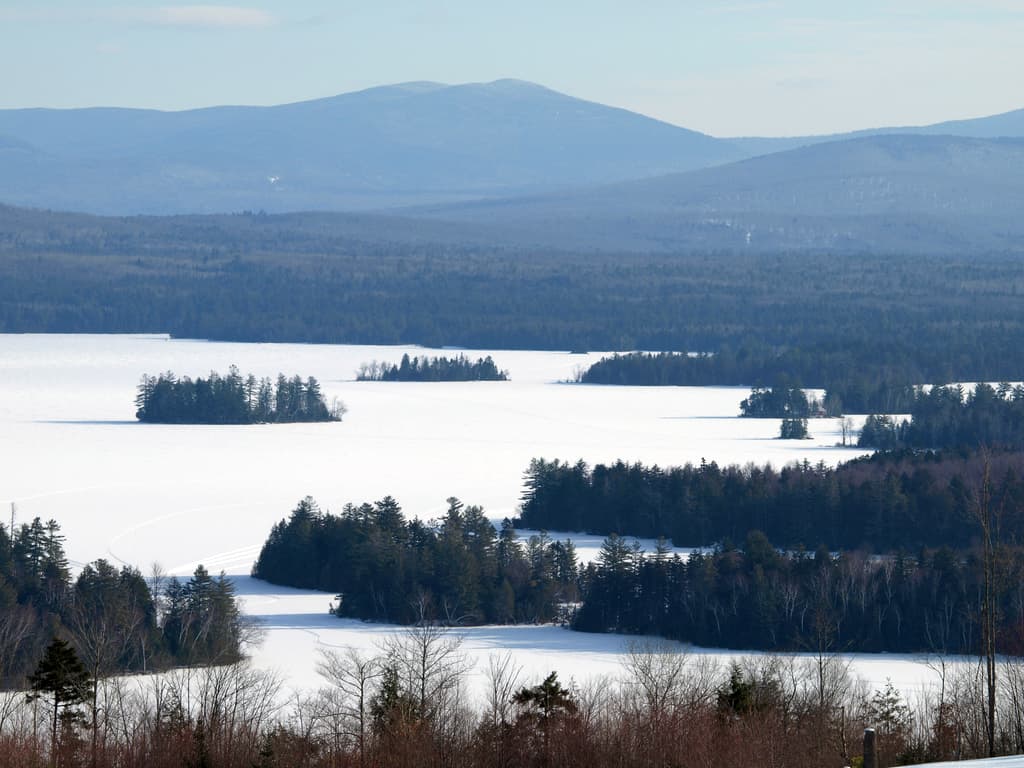
Out here, winter doesn't whisper—it takes over completely, turning Lake Umbagog into a sheet of white silence broken only by wind through the spruce. This is a trip for families who want their teens off screens and into cold air that smells like woodsmoke and pine, where the biggest excitement of the day might be spotting a moose crossing the road at dusk.
At a Glance
Highlights
- Sunrise stillness over a frozen, mist-veiled Lake Umbagog
- Deep-woods silence broken only by wind and distant loon calls (in memory, if not in winter)
- Moose-spotting drives at dawn and dusk
- Star-drenched night skies far from any city glow
- Snow-hushed forest trails perfect for teen independence with walkie-talkies
- Hearty diner comfort food after cold-weather adventures
- A true unplugged reset for the whole family
Day-by-Day Plan
Day 1: Arrival & Settling Into the Silence
A gentle arrival day with one easy stop to acclimate to the cold, the quiet, and the long drive north—light walking, low exertion.
After hours in the car, this is the payoff: a vast frozen expanse rimmed by dark spruce-fir forest, utterly still except for wind hissing across the snowpack. In winter the lake becomes a wide white plain—no paddlers, no boats, just you and a horizon that feels like the edge of somewhere forgotten. Kids and teens alike tend to go quiet here, which is its own kind of magic after a long drive. Keep this visit short and easy today—just enough to feel the scale of the place before you settle into your lodging.
Today is about the drive north and the shift in pace it brings—expect 3–4 hours behind the wheel from Manchester or Boston, with the landscape thinning from suburbs to forest to true wilderness the further you go. Stock up on snacks and layers before you lose cell service, and let the kids track the change in scenery as towns get smaller and the woods get bigger.
Once you arrive, ease into the Great North Woods with a short, low-pressure stop at Lake Umbagog. In winter this isn't a place for paddling or long hikes—it's a place to stand at the shoreline, breathe cold clean air, and let the silence sink in. Forty-five minutes to an hour is plenty; the goal today is arrival, not achievement.
Head to your base—Berlin, Lancaster, or a lakeside cabin near Umbagog—and settle in early. Dinner will likely be simple and close to your lodging since many local kitchens close by 7 or 8pm in winter; treat tonight as a wind-down, with warm food, dry socks, and an early bedtime to prepare for a fuller day tomorrow.
Day 2: Frozen Light on the Lake
A fuller day centered on Lake Umbagog in daylight, with morning stillness, a midday break, and an afternoon return for different light—moderate walking, low-to-moderate exertion.
Arrive at first light and you'll have this frozen world almost entirely to yourselves—by mid-morning even the handful of other winter visitors will have come and gone. The eastern shoreline catches sunrise mist rising off any open water, forest reflected in glassy patches where the ice hasn't fully sealed, and if you're lucky, a moose moving along the treeline in the low gold light. This is prime territory for teens to feel a bit of independence—give them a stretch of shoreline to explore with a walkie-talkie while parents set up a thermos and watch the light shift. Bundle up hard; standing still in this cold bites fast.
Return in the afternoon for a completely different mood—flatter, whiter light, and a chance to explore a different cove or overlook than this morning's spot, keeping things fresh rather than repetitive. This is a good window for a short, easy walk along a cleared section near the shore, letting teens set the pace while parents watch for wildlife. The stillness by afternoon takes on a heavier, more contemplative quality—less golden, more vast.
Set an alarm and get out the door before sunrise—this is the single best move of the trip. Arriving at Lake Umbagog by 7:30am means empty shoreline, soft light, and a real shot at spotting a moose before the day gets going. Let the teens wander a stretch of shoreline (within sight, with a walkie-talkie) while the adults set up a thermos of coffee or cocoa; the cold is sharp, so plan for shorter bursts outside with breaks in the car to warm up.
After a warm lunch break back at your lodging or in town, return to the lake in early afternoon for a change of light and a different vantage point—this keeps the day varied rather than repetitive. The pace here is slower and more contemplative; it's a good time for quiet conversation, photography, or simply watching the wind move over the snowpack. Keep outdoor stretches to 45–60 minutes given the cold, with warm-up breaks in between.
Head back to base with plenty of daylight to spare, given how early winter sunsets fall (around 4:15pm). Dinner should happen early—by 5:30 or 6pm most local kitchens are winding down—so treat the evening as a slow wind-down: warm food, dry clothes, and if skies are clear, step back outside after dark for a look at the stars, which are extraordinary this far from any city light.
Day 3: Deep Woods & Wide Skies
A day balancing another lake-area visit with flexible free time for moose-spotting drives and stargazing—light-to-moderate walking, low exertion given the cold.
One more morning at the lake, but this time aim for a spot you haven't tried yet—the Magalloway Mountain overlook area offers a wider, higher vantage over the frozen basin and surrounding peaks. The scale here is different from shoreline level: you can see how the lake sits inside this enormous quiet bowl of forest. It's a good morning for teens to take photos on their own terms—give them time to find their own compositions rather than following a checklist.
Take the morning at a slower pace than yesterday—head to a higher vantage point near Lake Umbagog for a different perspective on the wilderness you've been exploring. The cold and altitude mean shorter outdoor stretches, so plan for an hour or two rather than a marathon. This is a good moment to let teens take the lead with a camera or phone, framing their own shots of the frozen basin below.
Keep the afternoon light and flexible—this is prime time for a slow drive along quiet backroads scanning for moose, especially near dusk as light starts to fade around 3:30–4pm. Moose are most active at dawn and dusk in winter, moving to find food, so keep the car windows cracked slightly for sound and eyes on the treeline. This is unstructured, low-pressure time that works well for restless teens who want a break from set itinerary stops.
After an early dinner, bundle up one more time for the real showstopper of the Great North Woods: the night sky. Far from any city glow, on a clear winter night the stars here are almost overwhelming in number—bring blankets, thermoses, and step outside your lodging or a dark pullover spot for twenty or thirty minutes of pure quiet stargazing before the cold sends everyone back inside.
Day 4: Last Light Before the Long Drive Home
A light final morning with one last lake visit before the drive south—minimal walking, easy pace to close out the trip gently.
One final visit, and arriving early again means the lake is yours—just the crunch of snow underfoot and the wide white silence you've come to know over the past few days. This is less about a new experience and more about closure: a last look at the water, a last chance for photos, a moment to notice how different the place feels now that it's familiar rather than foreign. Let the goodbye be unhurried.
Keep this morning short and easy—one last visit to Lake Umbagog to say goodbye to the place that's defined the trip. There's no pressure to do anything new; simply stand at the shoreline once more, breathe the cold air, and let the kids take it in without an agenda. Grab a simple breakfast near your lodging before you go, since options thin out fast once you're on the road.
By late morning, it's time to point the car south and begin the drive back toward Manchester or Boston—budget 3 to 4 hours depending on your route and road conditions, with an extra buffer for winter driving. Use the drive to decompress as a family, talking through favorite moments from the trip while the deep woods gradually give way to smaller towns and eventually highway traffic.
Depending on your flight or drive schedule, evening may simply mean arriving home or at your final airport hotel—there's no additional itinerary stop planned for tonight, allowing flexibility for travel delays common with winter weather. Consider this trip's real souvenir the quiet it leaves behind: a reset that's hard to find outside truly wild places like this.
Want to tweak this trip?
Our AI planner can customize this itinerary to your exact dates, interests, and travel style.
Customize This ItineraryRestaurant details (hours, menus, availability) change frequently, especially in winter when many establishments operate reduced schedules. Check current hours before visiting.
Dietary compatibility tags are general guidance. If you have severe allergies, confirm directly with the restaurant.
Travel tips are general guidance, not professional safety advice. Check government advisories and local conditions, especially regarding ice, road conditions, and wildlife, before heading out.
All prices are approximate and may vary seasonally.