Bitterroot Valley (Hamilton, Darby), Montana
2-Day Itinerary for Solo Traveler
“Frost, Pine, and Solitude: Two Winter Days in the Bitterroot Valley”
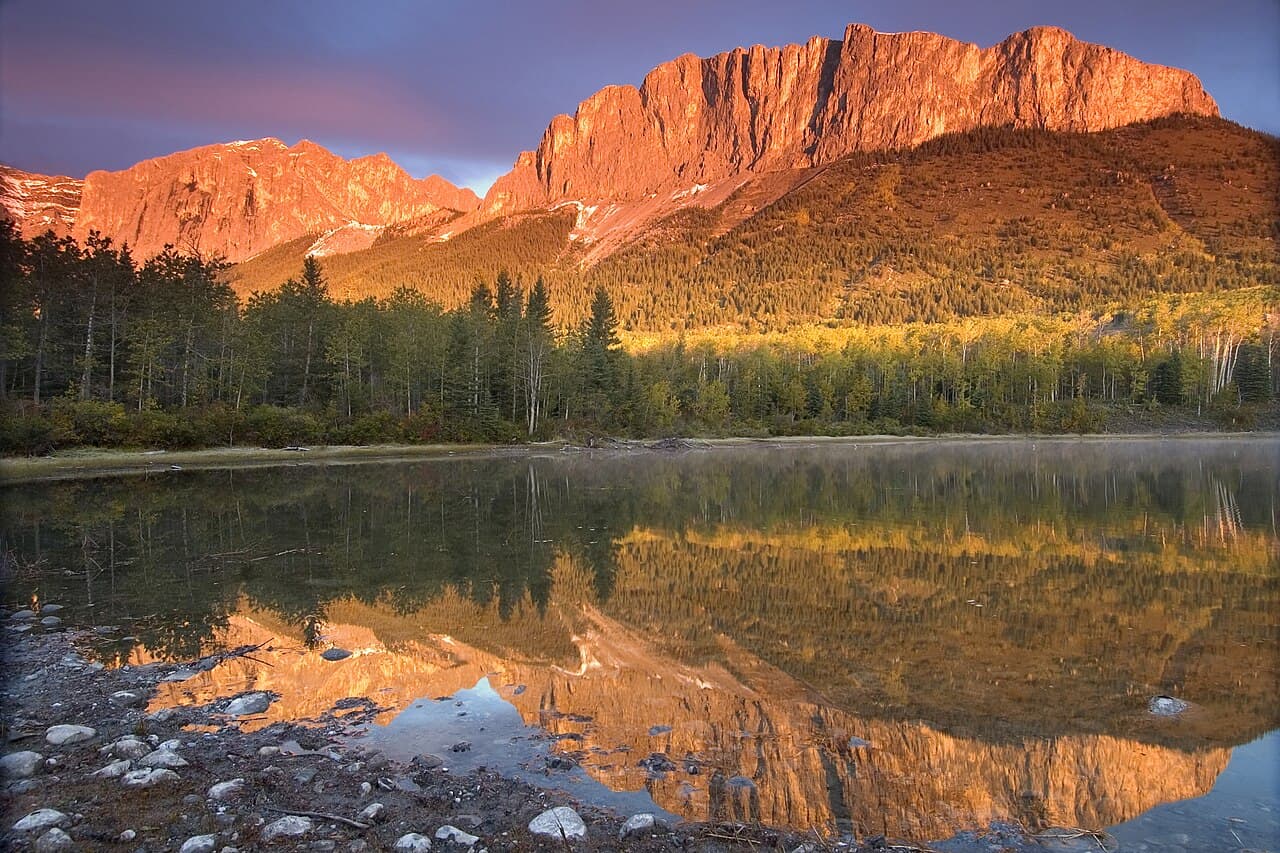
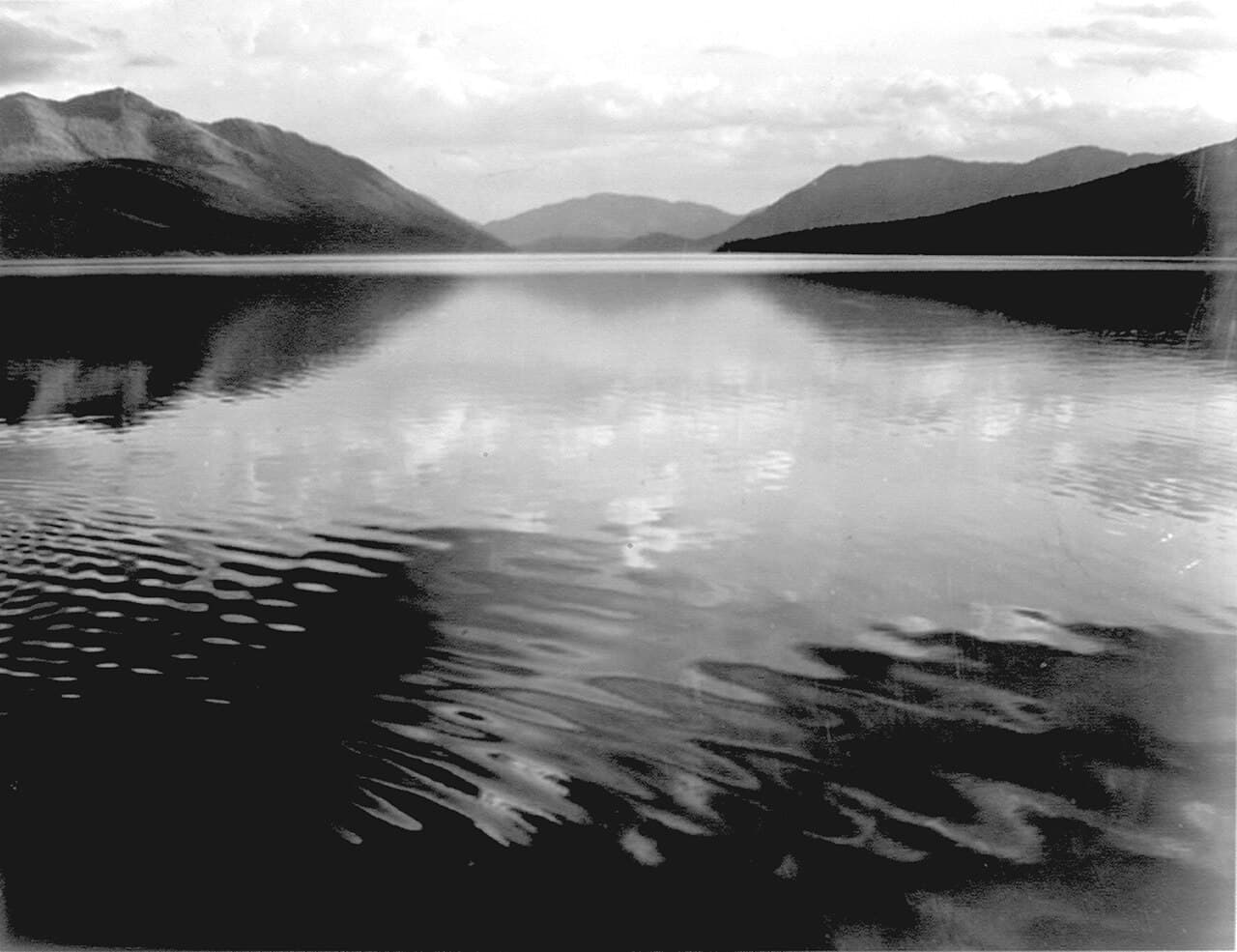
Winter strips the Bitterroot Valley down to its bones — bare cottonwoods, snow-hushed forest roads, and a lake gone still and silver under the peaks that made it. This is a trip for travelers who want mountains without crowds and quiet without loneliness.
At a Glance
Highlights
- Sunrise stillness at a frozen Lake Como
- Solo-friendly forest drive through Bitterroot NF's winter hush
- Sandhill crane silence over snow-dusted wetlands at Lee Metcalf
- Golden hour on granite peaks reflected in ice-rimmed water
- Hearty valley-town meals built for solo diners at the counter
- Low-crowd photography windows all winter long
Day-by-Day Plan
Day 1: Arrival & the Quiet Mirror of Lake Como
A light half-day easing into the valley's rhythm with a short, flat lakeside walk under winter peaks — under 2 miles total, low energy.
Arrive by 9 AM and the lake will likely be yours alone — winter strips away the weekend crowds entirely, leaving just the crunch of frost underfoot and the low hush of wind moving across ice-rimmed water. The granite peaks that carved this basin stand starker against a bare winter sky, doubled in the lake's mirror-still surface where it hasn't frozen. Bring a thermos; benches are sparse and the cold settles in fast, but the flat, wheelchair-accessible path makes this an easy, contemplative solo walk before the day picks up.
Ease into the valley slowly. Lake Como in winter offers exactly the kind of low-key, solitary beauty that suits a first day — no itinerary pressure, just cold air, still water, and mountains standing quiet guard. The short, flat walk works well for shaking off travel fatigue without demanding much of tired legs.
With the morning's solitude behind you, spend the afternoon settling into Hamilton at your own pace — this is intentionally left open for check-in, unpacking, and orienting yourself to the valley's early winter sunset schedule. Use the time to scout dinner options and rest ahead of tomorrow's fuller day in the forest.
Dinner should be simple and early — most Bitterroot Valley restaurants wind down by 9 or 10 PM, so plan to eat by 7 or 8. Bar seating or counter-style spots in town are the easiest way for a solo traveler to feel comfortable and maybe strike up a conversation with a local rancher or fellow winter traveler before an early, well-earned night.
Day 2: Forest Solitude and Wetland Stillness
A fuller day moving from high-energy forest exploration to a calmer wetland wind-down — roughly 3-4 miles total walking, moderate-to-high morning energy tapering to low.
Arrive early — by 8 AM the forest is entirely still, snow-muffled and cold in a way that feels genuinely remote, the kind of solitude solo travelers often come to Montana seeking. Lower-elevation trails stay passable in winter conditions, offering the sound of half-frozen creeks and wind moving through lodgepole pines rather than a summit push; higher alpine routes should be skipped this season for safety. Check current road and trail conditions before setting out, carry bear spray as habit, and let someone know your general route — cell coverage disappears fast once you're past the trailhead pullouts.
The pace shifts here — after the forest's high-energy morning, the refuge offers a slower, quieter kind of wonder. Winter mornings are normally best for birdlife but afternoons still bring the soft rustle of cattails and, if you're lucky, sandhill cranes or eagles working the open water pockets against a backdrop of snow-dusted mountains. The trail is muddy and uneven rather than icy this time of day, so waterproof boots earn their keep, and the near-total quiet makes this an easy, contemplative close to an active day.

The day opens with real immersion — forest air that bites at exposed skin, snow underfoot, and a stillness broken only by wind and the occasional creak of ice on a creek. This is Bitterroot NF at its most solitary and, for many solo travelers, most rewarding: no crowds, no noise, just scale and quiet. Stick to lower-elevation trails and scenic pullouts given winter conditions, and treat the drive itself as part of the experience.
The shift to Lee Metcalf marks a deliberate change of rhythm — from forest intensity to wetland calm. The valley floor opens up, the mountains recede to a softer backdrop, and the focus turns to small movements: a crane lifting off, wind through frozen cattails, the particular quality of afternoon light on still water. It's a gentler close to a physically fuller day.
With the sun down by late afternoon in winter, head back into Hamilton for an early dinner — aim to be seated by 7 or 8 PM given the valley's early-closing rhythm. A counter seat or communal table remains the best bet for a solo traveler wanting easy conversation after a day spent largely in solitary landscapes, and an early night sets up well for departure or further exploration the next morning.
Want to tweak this trip?
Our AI planner can customize this itinerary to your exact dates, interests, and travel style.
Customize This ItineraryRestaurant details (hours, menus, availability) change frequently, and specific venue data was not available for this itinerary's stops — check current options in Hamilton before finalizing meal plans.
Dietary compatibility tags are general guidance. If you have severe allergies, confirm directly with any restaurant before ordering.
Travel tips are general guidance, not professional safety advice. Check government and local road-condition advisories for the latest information, especially for winter mountain driving.
All prices are approximate and may vary seasonally.