Bitterroot Valley (Hamilton, Darby), Montana
4-Day Itinerary for Teen Families
“Snowbound Valley: A Bitterroot Winter for Restless Families”
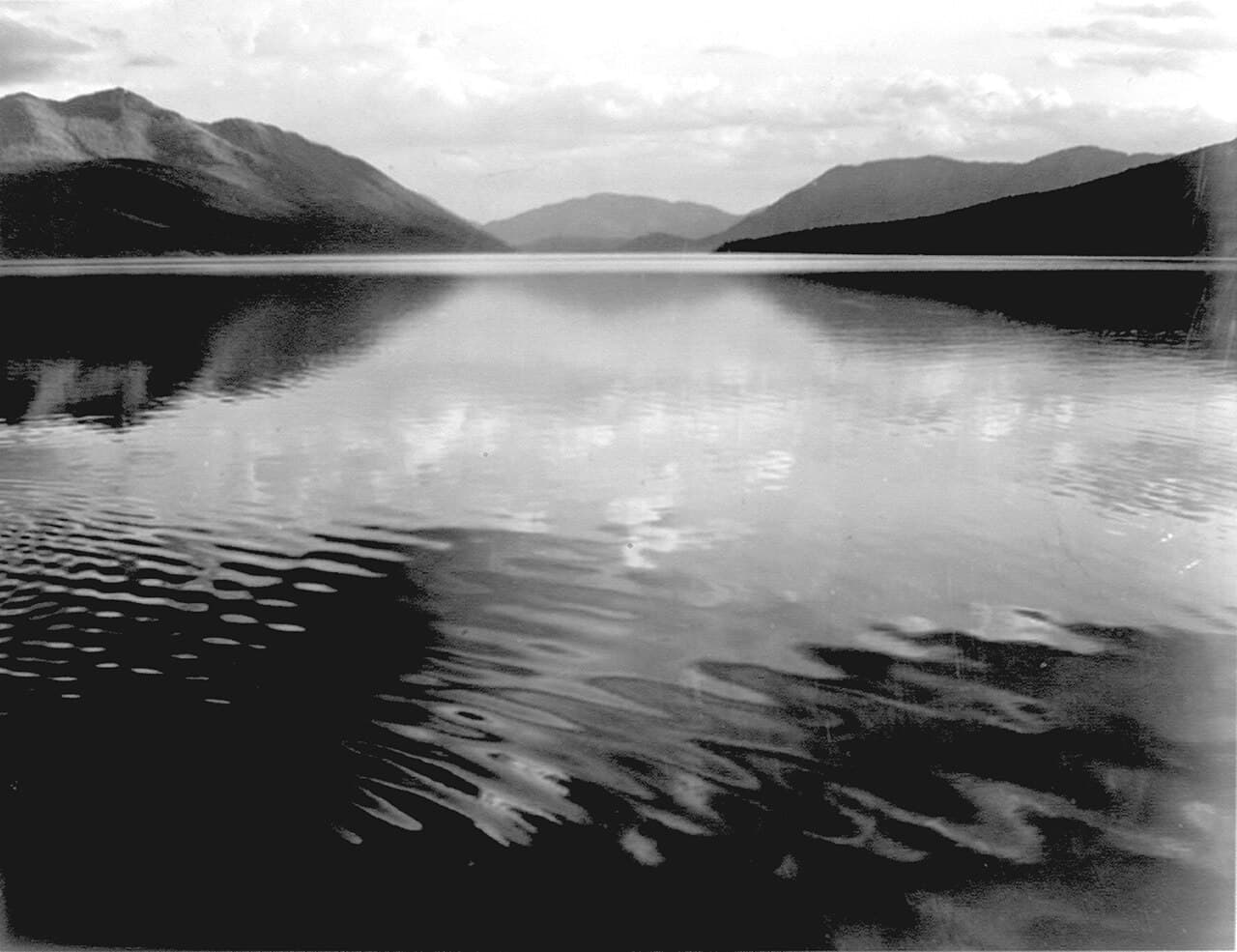
Winter strips the Bitterroot Valley down to its bones — bare cottonwoods, snow-hushed peaks, and a cold so clean it wakes you up. This is a slower, quieter version of Montana, built for families who want real space between them and a screen, and teens who'll actually put the phone down when a bald eagle drops out of a frozen sky.
At a Glance
Highlights
- Snow-rimmed shoreline at Lake Como with almost nobody else around
- A high-country forest day scaled back for winter — short hikes, big silence
- Wetland flyover watching for eagles and wintering waterfowl at Lee Metcalf
- Hamilton's walkable historic main street for slow mornings and easy dinners
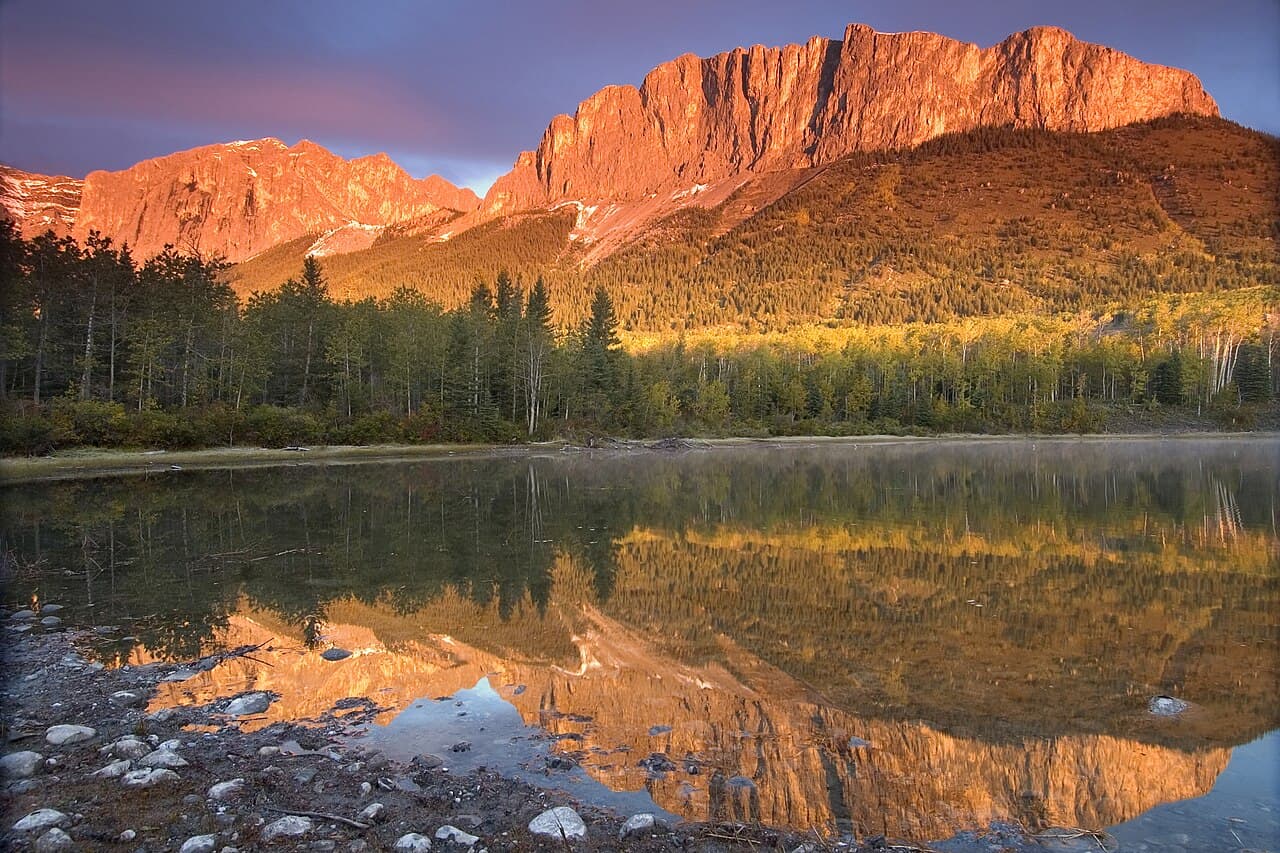
- Golden hour on granite peaks reflected in half-frozen water
- Built-in teen autonomy time to explore Hamilton's shops solo
- A rain (snow) backup plan for every outdoor day
Day-by-Day Plan
Day 1: Settling In: Snow, Quiet, and a Frozen Lake
A light half-day easing into valley time with a short, scenic outing to Lake Como and an early evening in walkable Hamilton — under 2 miles of walking total.
In winter the lake goes still and silver, edges crusted with ice, the granite peaks behind it dusted white and doubled in whatever open water remains. It's a gentle first stop after travel — flat, short, and quiet enough that teens can wander a little ways down the shoreline on their own while parents catch their breath. Arrive after lunch when the light softens and you'll likely have the north shore entirely to yourselves.
Give the morning over to travel and settling — check into your lodging, unpack the winter gear, and let everyone acclimate to the cold and the quiet after the drive down from Missoula. There's no rush; this is the one day built with slack in it.
By early afternoon, make the short drive out to Lake Como. The cold air off the water has a bite to it, but the scene — snow-dusted granite peaks mirrored in still water, absolute silence broken only by the occasional creak of ice — is the kind of grounding first taste of the valley that resets everyone's pace. Keep it short; 90 minutes is plenty for a first day.
Head back into Hamilton as the light fades early — winter sunsets here can arrive before 5pm. Settle into town for dinner and an early night; this is a good evening to let teens have a bit of independence walking Hamilton's compact main street before everything closes up for the night.
Day 2: Into the High Country: Bitterroot National Forest
A full day scaled back for winter conditions in Bitterroot National Forest — shorter, lower-elevation walks and scenic driving rather than summit pushes, roughly 2-3 miles of walking.
Winter turns the forest into something closer to a held breath — snow-laden lodgepole pines, creeks running slow and half-iced beneath crusted banks, and a silence so complete you can hear snow shift off branches. Skip the high alpine routes this season; instead stick to lower-elevation forest trails and scenic pullouts, which stay passable and still deliver the scale and solitude that make this place remarkable. Arrive by 9am and the forest is entirely yours — no other cars in the trailhead lots, no other footprints in the snow.
After a lunch break, use the afternoon for a scenic driving loop through the forest rather than another hike — a good way to cover more visual ground without exhausting anyone, particularly with shortened winter daylight to manage. Pull over at viewpoints where the Bitterroot peaks show themselves fully snow-capped against a low winter sun; it's a different, starker beauty than summer's green density.
Head south from Hamilton into Bitterroot National Forest as the sun climbs over the ridgeline. This is scaled-down winter hiking — lower forest trails rather than alpine summits — but the payoff is a hush and scale that's hard to find elsewhere: snow-heavy pines, half-frozen creeks, and total quiet. Pack snacks, since options this deep in the forest are limited; plan your real meals around Hamilton rather than the trailhead.
After warming up with lunch, shift into a slower gear with a scenic driving loop through the forest, stopping at pullouts for wide views of snow-capped peaks. It's an easier pace than the morning, good for tired legs and shorter attention spans, and it stretches the day's sense of wilderness without pushing anyone past their limit.
Head back into Hamilton before dark — winter dusk arrives early here — for a relaxed dinner and an early night. The day's cold and quiet tend to make for good sleep.
Day 3: Wings Over the Wetlands: Lee Metcalf & South Valley
A moderate-energy day exploring Lee Metcalf National Wildlife Refuge near Darby, with easy walking (under 2 miles) suited to bird-watching and photography.
Winter mornings at the refuge carry a particular hush — cattails rattling in the cold, the distant honk of overwintering geese, and if you're lucky, a bald eagle perched motionless over the half-frozen wetlands. The mountains stand sharp and white behind every view, framing the flat valley floor in a way that feels almost staged. Arrive early — by 9am you'll likely have the auto tour route and viewing platforms to yourselves, and wildlife tends to be more active in the cold, still morning air.

Drive south toward Darby for a morning at Lee Metcalf National Wildlife Refuge, timing arrival for around 9am to catch the wetlands at their quietest and most active. It's a different rhythm than the forest day before — flatter, slower, built around patience and watching rather than movement — a good change of pace for a family day three.
With the refuge visit wrapped by late morning, use the early afternoon to explore a bit of Darby itself before heading back north — a smaller, quieter counterpart to Hamilton, worth a short walk-through even if options are limited compared to the main town.
Return to Hamilton in the late afternoon with enough daylight left for teens to have some independent time downtown before dinner. Keep the evening low-key — an early dinner and rest ahead of the trip's final day.
Day 4: Last Light on Main Street
A lighter final day back in Hamilton Downtown for last-minute exploring, easy walking under 2 miles, before departure.
A final, quieter return to the lake before departure — the same still water and snow-capped peaks, but with the particular clarity of a morning you know is your last here. Arriving early means the shoreline is empty and the light is at its sharpest, good for one last set of photos before the drive back to the airport.
Return one more time to Lake Como for a shorter, quieter visit — a fitting bookend to the trip's opening day. The mountains look the same but somehow feel more familiar now, and the early light makes for a memorable last look before packing up.
Spend the remaining time in Hamilton's downtown for any last shopping, a relaxed lunch, and time for teens to wander the main street independently one more time before the drive to Missoula.
With Missoula roughly 90 minutes north, plan departure with enough buffer for winter road conditions — an early start home means arriving at the airport unrushed and with daylight still on your side.
Want to tweak this trip?
Our AI planner can customize this itinerary to your exact dates, interests, and travel style.
Customize This ItineraryRestaurant details (hours, menus, availability) change frequently, especially in small seasonal towns like Hamilton and Darby — check current hours before visiting.
Dietary compatibility tags are general guidance. If you have severe allergies, confirm directly with the restaurant.
Travel tips are general guidance, not professional safety advice. Check government advisories and local road condition reports for the latest information, especially in winter.
All prices are approximate and may vary seasonally.