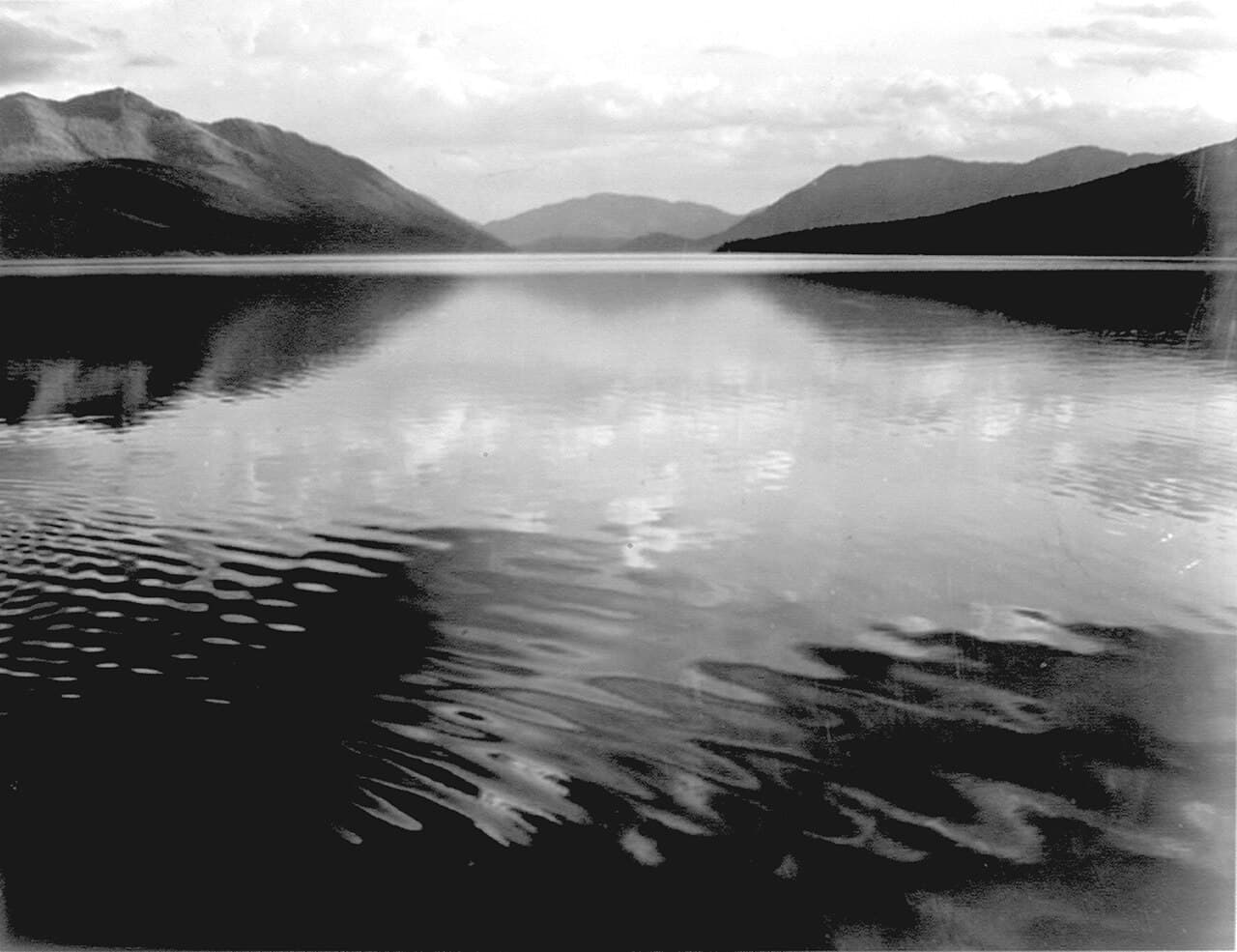
Bitterroot Valley (Hamilton, Darby), Montana
5-Day Itinerary for Teen Families
“Frost, Peaks, and Quiet Water: 5 Winter Days in the Bitterroot Valley”
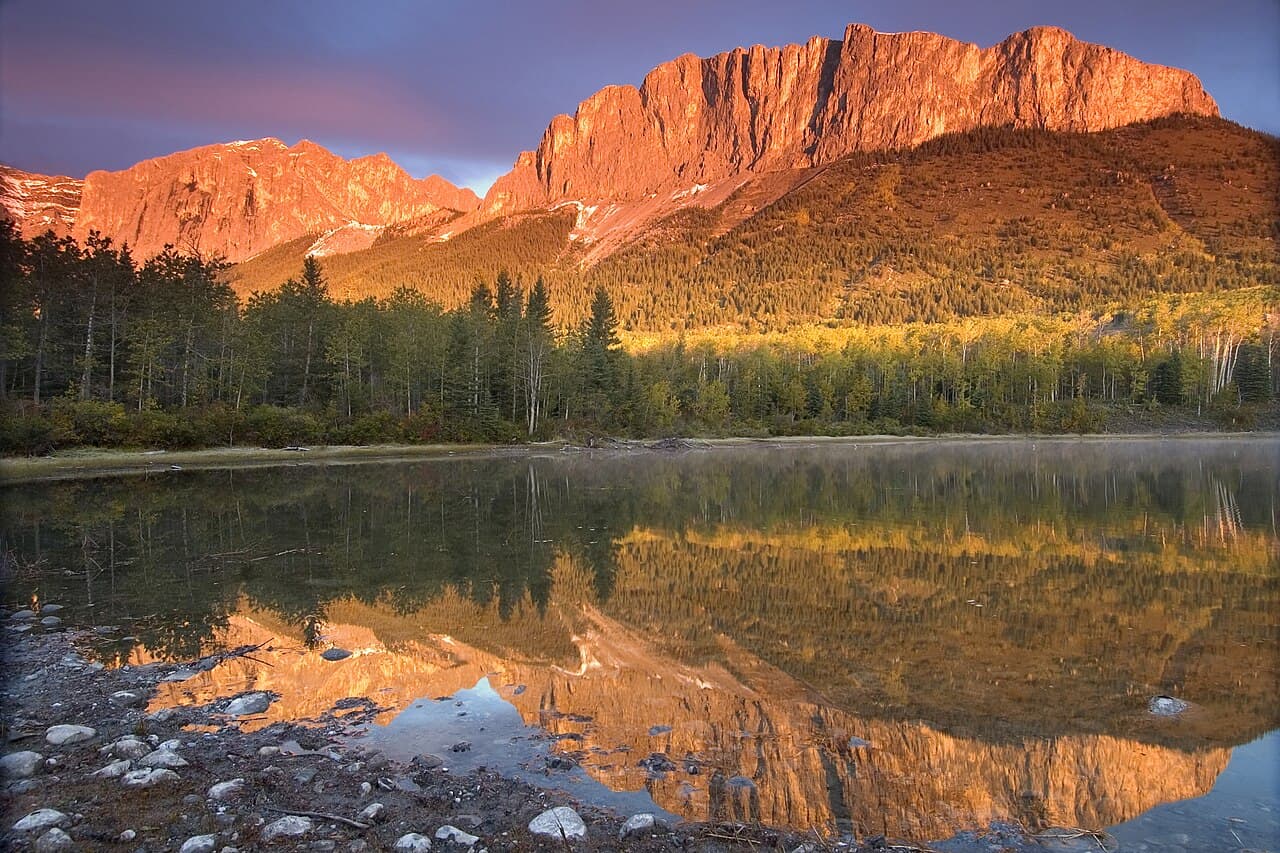
Snow settles heavy on the lodgepole pines here, and the valley goes quiet in a way that feels almost private. This is winter Montana at its most unfiltered — frozen lake edges, wide skies, and small towns that close early but welcome deeply.
At a Glance
Highlights
- Frozen shoreline stillness at Lake Como at first light
- Snow-hushed forest trails in Bitterroot National Forest
- Sandhill cranes and eagles over frosted wetlands at Lee Metcalf
- Golden hour on granite peaks reflected in still water
- Low-crowd solitude that summer visitors never get to see
- Hearty valley comfort food after cold-weather days
Day-by-Day Plan
Day 1: Settling In: First Light on Frozen Water
A gentle arrival day centered on Lake Como's quiet winter shoreline, with low walking distance (under 2 miles) and minimal exertion to ease into valley time and altitude.
In winter, Lake Como turns into something almost otherworldly — ice rimming the shallows, granite peaks doubled in the still water, and a silence broken only by wind through bare cottonwoods. Arrive by 9:30 and you'll likely have the entire north shore to yourselves; this isn't a summer crowd scene, and winter strips it down to something rawer and more contemplative. Teens who roll their eyes at 'another lake' tend to go quiet here — there's something about the scale of the peaks against the flat water that reframes the whole trip.
The family eases into valley time with a late-morning visit to Lake Como, its winter stillness a gentle welcome rather than a full-throttle adventure. Boots crunch on frosted gravel, breath fogs in the cold air, and the mountains stand doubled in the half-frozen water — a quiet, low-effort way to shake off travel fatigue.
With the morning kept short and easy, the afternoon is left open for settling into lodging, unpacking winter gear, and letting jet-lagged legs rest. This is intentionally the lightest day of the trip — no rushing, no long drives, just acclimating to the cold and the rhythm of a town that runs on daylight.
Dinner should be simple and early, given how quickly small-town Montana kitchens wind down for the night; plan to eat by 7 PM and use the evening for an early turn-in, since tomorrow's forest day asks for more energy and an early start.
Day 2: Into the Snowbound Forest
A full high-energy day exploring lower-elevation trails and scenic pullouts in Bitterroot National Forest, with roughly 3–4 miles of walking on snow-packed paths.
In winter, Bitterroot National Forest trades its summer hikers for near-total silence — snow-laden lodgepole pines, the occasional crack of a branch settling under weight, and views of the Main Bitterroot divide sharpened by clear cold air. Stick to lower-elevation trails; alpine routes turn genuinely dangerous this time of year, but even a modest riverside or forest-edge walk delivers the scale and solitude this place is known for. Teens get a real taste of backcountry without technical risk, and the total absence of crowds — even on a Saturday — makes this feel like a discovery rather than a tourist stop.

The morning is given fully to Bitterroot National Forest, where snow muffles every sound and the family moves at a slower, more deliberate pace along lower forest trails. It's the most physically demanding stretch of the trip, but the payoff — total solitude, sharp mountain air, and views that summer crowds never get this quiet — makes it worth the effort.
By early afternoon, energy shifts from exertion to recovery: the drive back toward Hamilton offers a chance to warm up in the car, peel off outer layers, and let the morning's cold-weather adrenaline settle before an easier evening.
Dinner should be hearty and warming after a cold, active day — think comfort food eaten early, since Bitterroot Valley kitchens close by 9 or 10 PM even in town. Let teens have a bit of unsupervised wandering time in town if lodging is central, a small autonomy moment after a demanding day.
Day 3: Wetlands, Wings, and Wide Sky
A moderate-energy day near Darby exploring Lee Metcalf National Wildlife Refuge's frosted wetlands, with light walking (1–2 miles) and long stretches of quiet observation.
Winter mornings at Lee Metcalf carry a particular hush — frost-rimed cattails, the distant honk of overwintering waterfowl, and the Bitterroot Mountains standing sharp and close against a pale sky. Arrive by 9 AM for the best light and the quietest trails; this refuge sees almost no winter foot traffic, so what feels like a hidden discovery in summer becomes something close to solitude in the cold months. Teens with a photography streak will find this an unexpectedly rewarding stop — the auto tour viewing platforms offer unobstructed shots of both wildlife and mountain backdrop without another visitor in frame.

The morning unfolds slowly at Lee Metcalf, where the pace drops from yesterday's exertion to quiet observation — scanning frosted wetlands for cranes and eagles, tracking mountain silhouettes across the water, and letting the cold, clear air do most of the work. It's a deliberate contrast to the forest day, low-key but rich in sensory detail.
With the refuge visit wrapped by late morning, the afternoon opens up for a relaxed drive back toward Hamilton or Darby, giving the family room to warm up, grab a slow lunch, and let teens set their own pace for a bit of independent exploring in whichever town serves as home base.
Keep the evening low-key after two demanding outdoor days — an early dinner and a quiet night in are well-earned, especially with another active day ahead.
Day 4: Second Look at the High Country
A second, more relaxed pass through Bitterroot National Forest focused on scenic driving and short accessible walks rather than deep hiking, keeping total walking under 2 miles.
This second visit trades yesterday's trail effort for scenic pullouts and shorter, accessible riverside walks — a gentler way to take in the same rugged terrain without repeating the exact experience. Winter light through the pines shifts constantly, and the drive itself becomes part of the attraction: switchbacks opening onto sudden views of the Main Bitterroot divide, snow banks glowing faintly blue in shadowed stretches. It's a good day to let teens navigate the map or choose which pullout to stop at — a small taste of autonomy within a very controlled, safe setting.
The morning returns to Bitterroot National Forest, but at a gentler pace — scenic pullouts, short walks, and long stretches in the warm car taking in views that yesterday's hike only partially revealed. It's a smart pacing choice for teen families, offering adventure without repeating yesterday's physical demand.
The drive back toward Hamilton in early afternoon offers flexible time — an optional return to Lake Como for different light, or simply unstructured time in town, letting the pace loosen as the trip's energy naturally tapers.
With tomorrow being departure day, keep the evening easy and early — a relaxed dinner and time to pack, letting the valley's early-closing rhythm dictate the schedule rather than fighting it.
Day 5: Last Light on the Valley
A light closing day with one final visit to Lake Como for departure-morning stillness, plus flexible time before heading out, keeping walking minimal (under 1 mile).
One last look at Lake Como before departure feels different than Day 1 — familiar now, but still striking, with morning light catching ice crystals along the shoreline and the peaks standing exactly as still as they did on arrival. Early morning here, before 9 AM, means the family gets the lake essentially to itself one final time — a quiet, unhurried bookend to a week spent chasing solitude in the valley's wild corners.
The trip closes gently with a final, brief visit to Lake Como — no new ground to cover, just a last quiet look at the frozen shoreline and peaks that framed the whole week, with the cold morning air serving as a fitting send-off.
With the lake visit complete by mid-morning, the remainder of the day is left open for the drive back toward Missoula International Airport or the next leg of travel, allowing buffer time for winter road conditions on US-93.
Plan travel to align with the valley's early rhythm — grab a final casual meal before departure if timing allows, keeping expectations modest given how early local kitchens wind down.
Want to tweak this trip?
Our AI planner can customize this itinerary to your exact dates, interests, and travel style.
Customize This ItineraryRestaurant details (hours, menus, availability) change frequently, and specific dining options were limited in our source data for several stops on this itinerary — plan meals around Hamilton or Darby town centers rather than relying on POI-adjacent dining, and check current hours before visiting, especially in winter when small-town kitchens close early.
Dietary compatibility tags are general guidance. If you have severe allergies, confirm directly with the restaurant.
Travel tips are general guidance, not professional safety advice. Check government advisories and local road condition reports for the latest information, especially for winter mountain driving.
All prices are approximate and may vary seasonally.