3 DaysSolo Traveler7 Stops

Outer Banks (Nags Head, Ocracoke, Hatteras), North Carolina

3-Day Itinerary for Solo Traveler

Wind, Wild Ponies, and the Edge of America: 3 Days Alone on the Outer Banks

Wind, Wild Ponies, and the Edge of America: 3 Days Alone on the Outer Banks

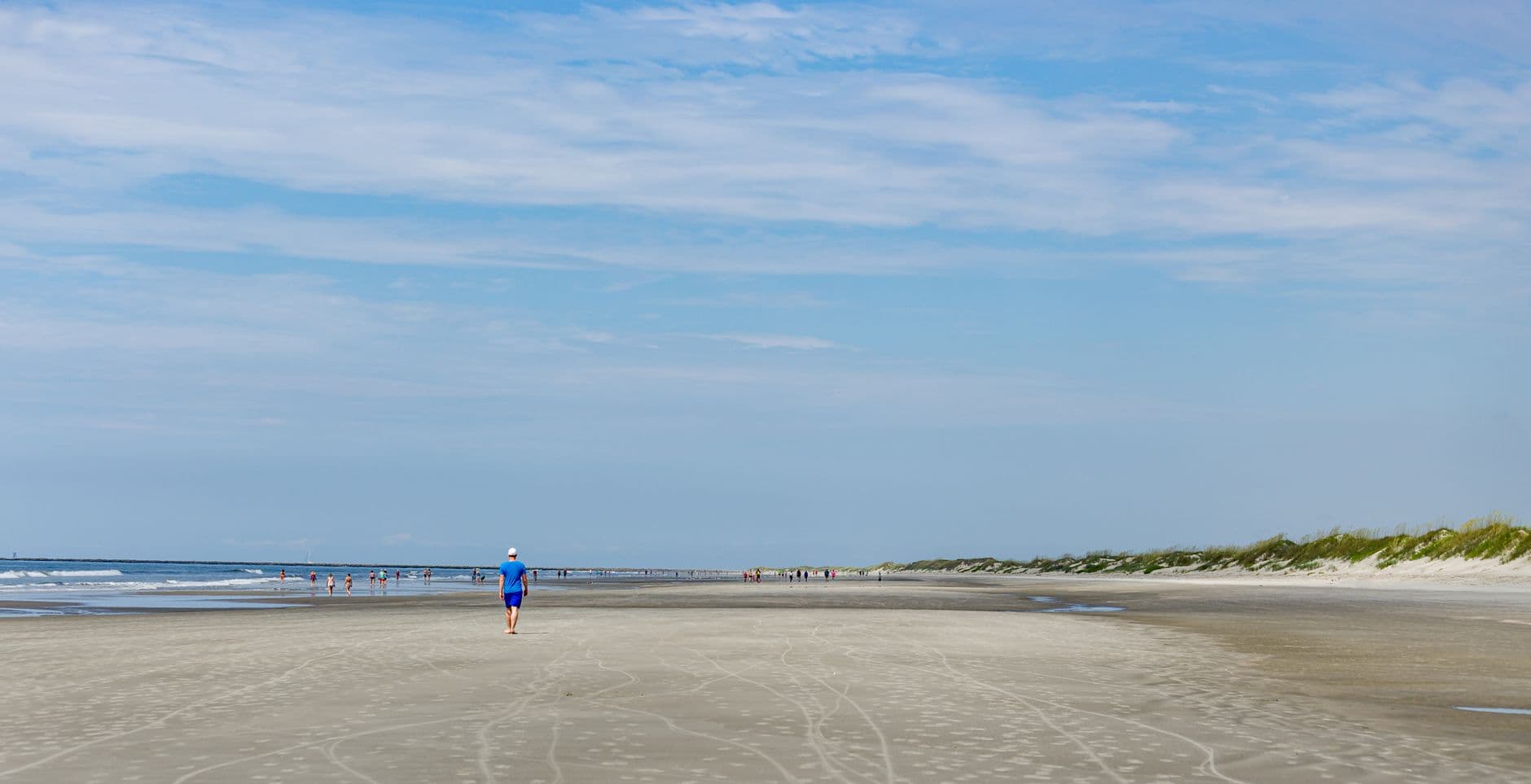
The Outer Banks in spring is a place of shifting light and low crowds — wildflowers pushing up through dune grass, ferries gliding across silver sound water, and enough solitude to hear your own footsteps on 200-year-old lighthouse stairs. This is a trip built for one: unhurried mornings, long drives down a two-lane highway with the ocean on one side and marsh on the other, and dinners at counters where the person next to you is always ready to talk fishing or weather.

At a Glance

Climate & Weather
Spring on the Outer Banks swings between mild sunny afternoons and sudden squalls off the Atlantic — expect 55–70°F days, brisk mornings, and wind that never fully quits. Pack layers, a real rain jacket (not just a windbreaker), and closed-toe shoes for dune and lighthouse climbs.
Getting Around
A car is essential for Nags Head and Hatteras; NC Highway 12 is the sole scenic spine connecting all three destinations, often single-lane and slow near inlets. Ocracoke itself is walkable and bike-friendly once you're off the ferry — leave the car parked near the village center.
Budget
Budget roughly $80–120/day for a solo traveler covering casual seafood meals, lighthouse admission (where applicable), coffee, and incidentals — Ocracoke runs slightly higher given its remoteness.
Safety
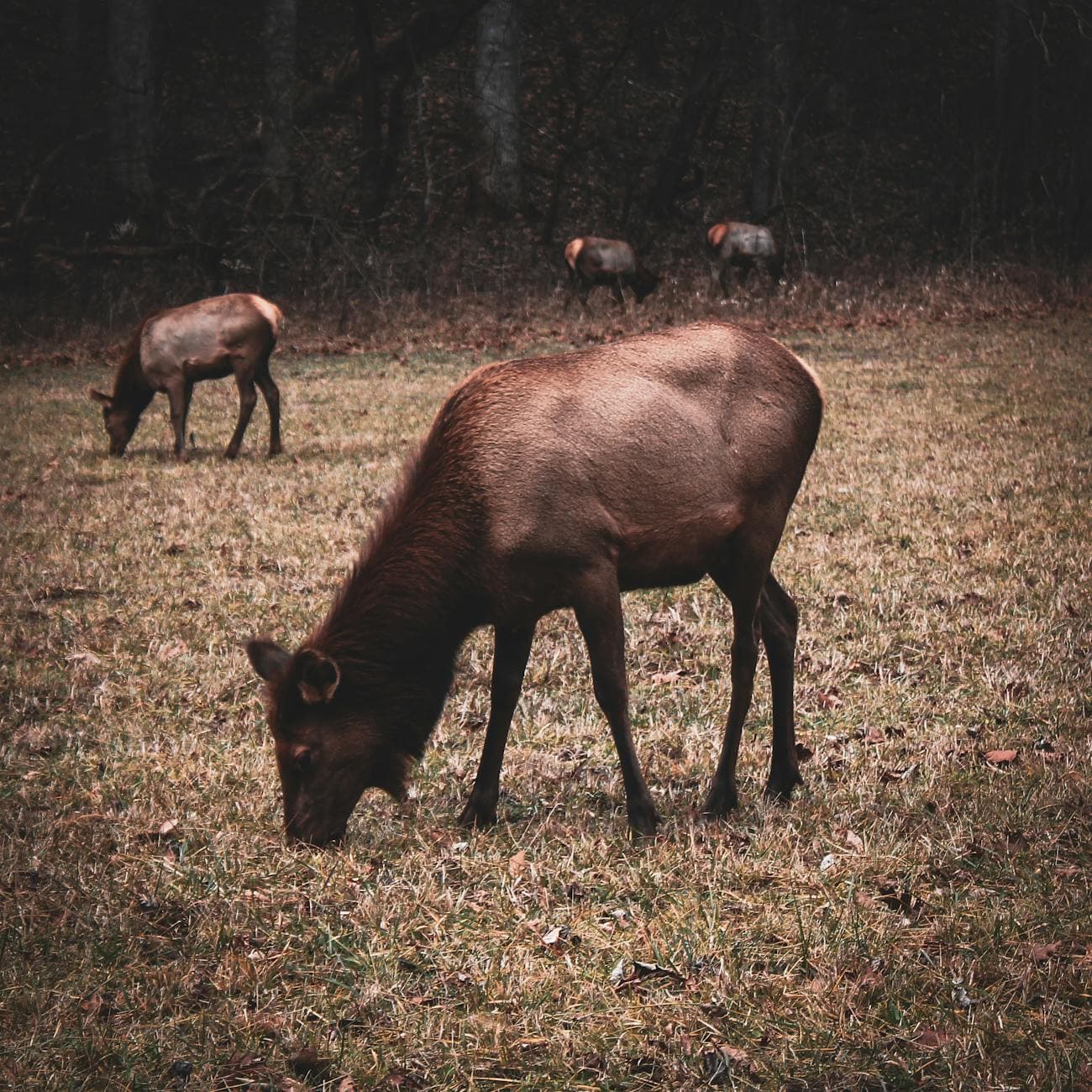
Solo travelers are generally very safe here, but currents can be dangerous — never swim alone in unfamiliar surf, and ask locals about rip current conditions before wading in past your knees. Wild ponies on Ocracoke are calm but unpredictable; keep distance and never feed them. Cell coverage thins out on Hatteras and Ocracoke, so tell someone your rough plan for the day.
Connectivity
Cell service is reliable in Nags Head and Kill Devil Hills, patchy through Hatteras, and weak-to-nonexistent on parts of Ocracoke. Download maps and ferry schedules in advance.
Local Tips
Arrive at popular sites before 9am to beat the shoulder-season day-trippers; book your Ocracoke ferry reservation in advance even in spring, as slots fill up on weekends; and pack snacks for the ferry crossing since options are limited once you're on the water.

Highlights

  • Standing where the Wright Brothers proved flight possible, wind still whipping off the dunes
  • Climbing the spiral stairs of the candy-striped Cape Hatteras Lighthouse
  • Riding the ferry across Pamlico Sound to car-free Ocracoke Island
  • Spotting wild ponies grazing near the marsh at golden hour
  • Watching storm light move across the Graveyard of the Atlantic
  • Solo-friendly seafood counters where the catch of the day is the only question that matters
  • Sunset from a lighthouse gallery deck with the whole horizon on fire

Day-by-Day Plan

Arrival & Orientation

Day 1: First Light and First Flight in Nags Head

A gentle orientation day covering roughly 3 miles of walking, centered on the Wright Brothers memorial and the bustling but manageable energy of Nags Head and Kill Devil Hills.

Wear
Layers — a light jacket for the morning wind, comfortable closed-toe shoes for sand and gravel paths, and a hat that won't blow away.
Budget
$70–90 (breakfast, lunch, dinner, memorial admission, incidentals)
8:00 AM - 9:30 AM
Wright Brothers NM · morning · 90 min · Nags Head & Kill Devil Hills

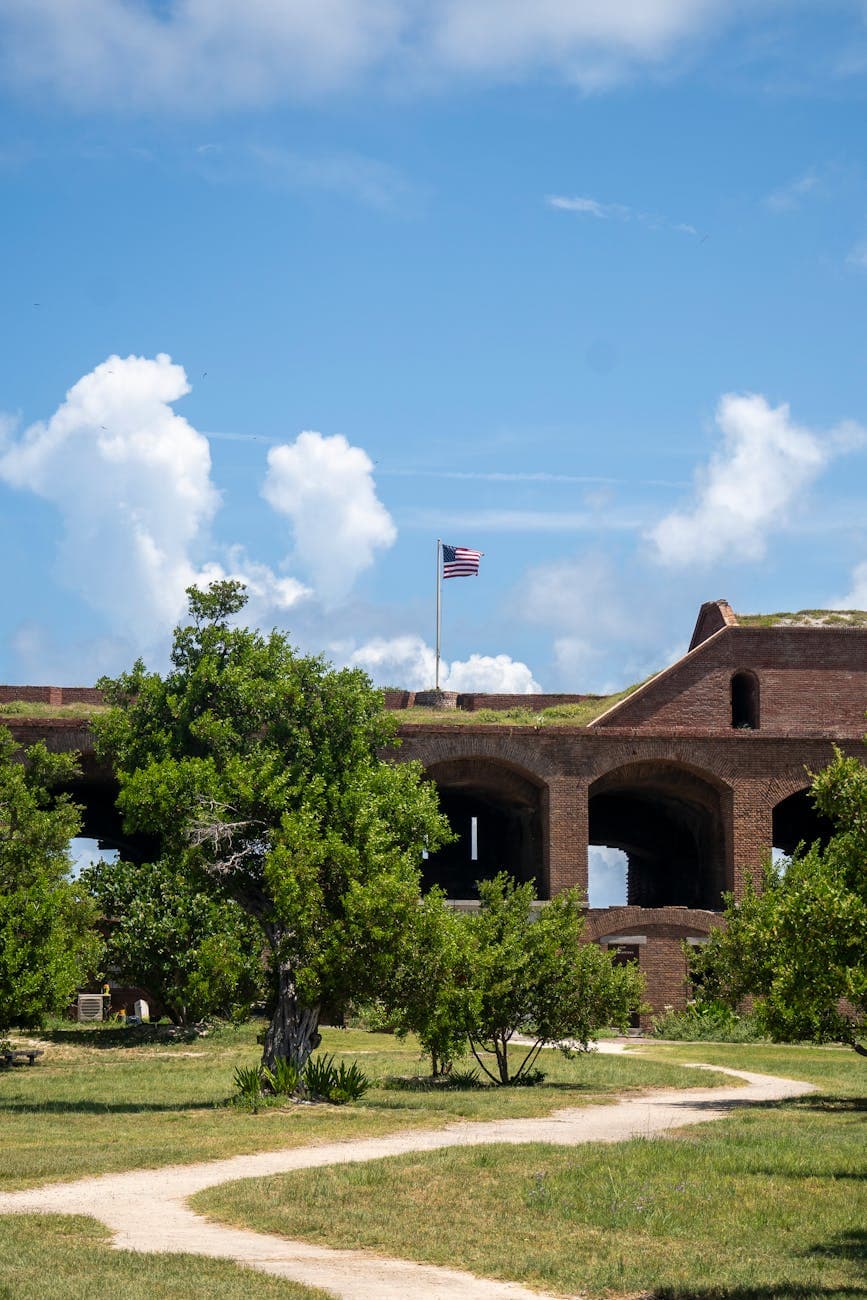
Arrive by 8am and the dune-top monument is nearly yours alone — just wind, gulls, and the strange hush of a place where two bicycle mechanics rewrote what was possible. The granite obelisk catches early light beautifully, and the reconstructed hangar and flight markers along the ground let you trace the actual path of that first 12-second flight. By 9:30, tour buses start arriving; you'll have beaten them.

Wright Brothers NM
Tom Fournier / pexels (Pexels License)
Shoot the granite monument from the dune base looking up around 8:15am for soft morning light and an empty foreground.
Fully paved, flat paths with frequent benches — one of the most accessible stops on this itinerary.
5 min walkA short walk from the outdoor monument path back down to the visitor center, wind at your back.
9:30 AM - 10:30 AM
Wright Brothers NM · midday · 60 min · Nags Head & Kill Devil Hills

Spend a slower second hour in the visitor center itself — exhibits on the Wright brothers' engineering process reward unhurried, solo attention, and there's no one to rush you along. It's an easy, low-cognitive-load transition into the trip after a travel day.

Wright Brothers NM
Tom Fournier / pexels (Pexels License)
The First Flight boulder marker photographs well with the open sky behind it — best light late morning.
Visitor center is fully wheelchair accessible with ramps throughout.
Lunch
Sam and Omie's Restaurant $$
Regional, Seafood · Near Cape Hatteras NS cluster, worth noting for later trip planning
A no-frills local institution with counter seating that's easy and welcoming for solo diners — order the crab cakes and strike up conversation with the regulars.
Dinner
Dune Burger $
Burger · Near Cape Hatteras NS cluster
Casual, fast, and unpretentious — a good low-key first dinner after a travel day, with bar-style seating.
Optional detour: Jockey's Ridge (mentioned in destination overview, not detailed in POI data)After Wright Brothers NM and before lunch
The tallest natural sand dune system on the East Coast makes a striking sunset walk if you have extra energy on day one. Skip if: Skip if you're feeling travel fatigue — day one is meant to be light, and this can be folded into a future OBX trip.
If it rains: The Wright Brothers visitor center is fully enclosed and can easily absorb 60–90 minutes of unhurried exploring if rain moves in — exhibits on early aviation engineering are engaging enough to fill the gap without feeling like a consolation plan.

The day begins gently, easing into the trip with the Wright Brothers National Memorial while the dunes are still cool and empty. Early light rakes across the granite monument, and the only sounds are wind and distant gulls — a quiet, contemplative start well-suited to a solo traveler still finding their rhythm.

After a relaxed lunch, the afternoon stays loose and low-key — a chance to settle into the trip's pace, wander Nags Head's beach access points at your own speed, and let the travel-day fatigue burn off without pressure to check off more sights.

Dinner is casual and unfussy, the kind of place where solo diners blend right in at the counter. Turn in early — tomorrow's drive down to Hatteras is long, and the lighthouse deserves a rested, curious version of you.

Wild Coast & History

Day 2: Windswept Solitude at the Cape

A dramatic, moderately active day of roughly 2 miles of walking centered on Cape Hatteras National Seashore's rugged lighthouse and shipwreck coast.

Wear
Sturdy shoes for uneven, sandy terrain, a windproof rain jacket, and sun protection — the Cape offers little shade and constant wind.
Budget
$60–85 (lunch, dinner, snacks, possible museum donation)
75 min driveA long, scenic drive south on NC-12 with marsh on one side and ocean glimpses on the other — consider a pullover at one of the sound-side overlooks to stretch and take photos midway.
9:00 AM - 10:30 AM
Cape Hatteras NS · morning · 90 min · Cape Hatteras & Buxton

Arrive by 9am for a nearly empty point — the Atlantic swells crash hard against the narrow spit, salt spray drifting in on the wind, and the black-and-white striped lighthouse stands sentinel against a sky that seems to stretch forever. This stretch of coast has swallowed more ships than almost anywhere in America, and standing here alone, that history feels close and physical rather than abstract.

Cape Hatteras NS
Robin Anderson / pexels (Pexels License)
Shoot the lighthouse from the point looking northeast toward Diamond Shoals in early morning light, before haze builds up over the water.
Terrain is uneven and not wheelchair accessible; nearby overlooks allow viewing from a vehicle if mobility is a concern.
10 min walkA short walk back from the point toward the lighthouse base and museum grounds, wind easing as you move inland slightly.
10:30 AM - 11:15 AM
Cape Hatteras NS · midday · 45 min · Cape Hatteras & Buxton

Round out the visit with the Graveyard of the Atlantic Museum context nearby, giving weight and story to the shipwreck coast you've just walked. It's a good, low-intensity way to close out the stop before lunch.

Cape Hatteras NS
Robin Anderson / pexels (Pexels License)
The lighthouse reflection pools at low tide make for striking, symmetrical shots — check tide charts before you go.
Museum building is more accessible than the outdoor point; ask staff about ground-level viewing options.
Lunch
Sugar Creek Restaurant $$
Seafood · Near Cape Hatteras NS
A solid sit-down option with water views — the seafood platter is generous, and the pace is relaxed enough for a solo lunch with a book.
Fat Boyz $
Ice cream, Sandwich · Near Cape Hatteras NS
A quick, casual counter-service option if you want something lighter and faster before more exploring.
Dinner
Sam and Omie's Restaurant $$
Regional, Seafood · Near Cape Hatteras NS
Worth the return visit if you're staying nearby — communal, unpretentious, and a good spot to hear fishing stories from the regulars at the counter.
Optional detour: Graveyard of the Atlantic MuseumAfter Cape Hatteras NS point visit and before lunch
Deepens the shipwreck history you've just felt standing at the point, especially valuable for solo travelers who enjoy context and quiet reading time. Skip if: Skip if the wind and waves already told you everything you need to know, or if you'd rather maximize beach time before lunch.
If it rains: If weather turns rough, the Graveyard of the Atlantic Museum and the Cape Hatteras Lighthouse visitor center both offer sheltered, engaging alternatives — the Cape's stark beauty actually intensifies in storm light if you're willing to stay bundled up at a safe distance from the water.

The morning belongs to the Cape itself — wide open, wind-scoured, and dramatic in a way that rewards early arrival. Standing at the point with the Atlantic roaring against the shoals, the isolation feels earned after yesterday's gentler pace, and the lighthouse's black-and-white spiral becomes a fixed point against a sky in constant motion.

After lunch, the pace eases — a good afternoon for wandering the museum grounds, photographing the lighthouse from different angles as the light shifts, or simply sitting somewhere with a view and letting the roar of the ocean become background noise. This is solo travel at its best: no negotiation, no rush.

Dinner returns to familiar, comfortable territory — casual seafood, counter seating, easy conversation with whoever's nearby. Get to bed at a reasonable hour; tomorrow requires an early ferry departure for Ocracoke.

Remote Island Escape

Day 3: Ferry Crossing to the Edge of the World

A slower-paced, low-mileage day (under 2 miles walking) centered on a ferry crossing and the timeless, car-free village of Ocracoke Island.

Wear
Comfortable walking shoes or sandals, a light layer for the ferry crossing (it's windy on the water), and sun protection for the lighthouse climb.
Budget
$50–75 (ferry is typically free or low-cost for passengers, lunch, dinner, lighthouse donation)
150 min ferryA long, meditative ferry ride from Hatteras to Ocracoke — bring a book, watch for dolphins, and let the crossing itself become part of the day's rhythm rather than just transit.
9:30 AM - 10:30 AM
Ocracoke Island (ponies, lighthouse) · morning · 60 min · Ocracoke Island

After the ferry glides you across Pamlico Sound — a crossing worth savoring alone at the rail, watching Hatteras shrink behind you — Ocracoke unfolds as something genuinely different: car-free, unhurried, and quietly bohemian. Wild ponies graze in the distance near the marsh, their manes tossing in the wind, and the candy-striped lighthouse pulses in the near distance. Arrive at the lighthouse grounds before 10am and the crowds haven't caught the later ferries yet.

Ocracoke Island (ponies, lighthouse)
Dottie Di Liddo / pexels (Pexels License)
Photograph wild ponies from a respectful distance in the marsh grass — telephoto lens recommended, and never approach for a closer shot.
Ground-level viewing of the lighthouse and pony areas is accessible; the boardwalk approach has some uneven sections.
5 min walkA short walk along the sandy path from the pony-viewing area to the lighthouse base, keeper's cottage coming into view first.
10:30 AM - 11:15 AM
Ocracoke Lighthouse · midday · 45 min · Ocracoke Island

Climb the spiral stairs worn smooth by 200 years of keepers, feeling the tower's iron railings hum with wind, until the 360-degree horizon opens up in every direction — sound on one side, ocean on the other. It's a solo traveler's dream: quiet, physical, and rewarding, with the lighthouse beam's shadow sweeping across your shoulders if the light's rotating during your visit.

Ocracoke Lighthouse
Photo by Mark Stebnicki on Pexels
The gallery deck facing southwest is best around 4-5pm for golden hour, but morning light on the ground-level tower shot is also excellent and less crowded.
Stairs are not wheelchair accessible; ground-level viewing and keeper's cottage grounds offer an alternative for those unable to climb.
Lunch
Sam and Omie's Restaurant $$
Regional, Seafood · General Ocracoke Island area
Referenced as a reliable regional option earlier in the trip — check for an Ocracoke-area equivalent locally, as options on the island itself are limited and best explored on foot around the village center rather than planned in advance.
Optional detour: Ocracoke Village shops and boardwalkAfter Ocracoke Lighthouse and before ferry departure
Wandering the car-free village on foot is a quintessential solo-travel pleasure — bohemian shops, easy conversations, and a slower rhythm than anywhere else on the trip. Skip if: Skip if you're tight on time before your return ferry, since missing a reserved crossing can mean a long wait for the next one.
If it rains: If it rains, the lighthouse tower may close in heavy weather or lightning — the keeper's cottage museum and village shops offer sheltered alternatives, and pony-spotting from the car or a covered vantage point is often still possible in light rain.

The day opens with a long, unhurried ferry crossing — a rare stretch of pure stillness for a solo traveler, water on all sides and Hatteras receding behind. Ocracoke arrives quietly: wild ponies grazing in marsh grass, a candy-striped lighthouse rising over maritime forest, and an overall sense of having reached the edge of something.

After climbing the lighthouse, the afternoon opens up for wandering the car-free village on foot — no schedule pressure, just narrow sandy lanes, small shops, and the particular quiet of an island that still feels slightly out of time. Meals here are best found by wandering rather than planning, so stay flexible.

As the light softens toward evening, take one last look at the lighthouse beam beginning its rotation before heading back toward the ferry dock. It's a fitting, quiet close to a solo trip built around solitude, wind, and the long horizon line of the Atlantic.

Want to tweak this trip?

Our AI planner can customize this itinerary to your exact dates, interests, and travel style.

Customize This Itinerary
Good to Know

Restaurant details (hours, menus, availability) change frequently, especially in shoulder season — check current hours before visiting.

Dietary compatibility tags are general guidance. If you have severe allergies, confirm directly with the restaurant.

Travel tips are general guidance, not professional safety advice. Check government advisories and local conditions, especially regarding surf and weather, for the latest information.

All prices are approximate and may vary seasonally, including ferry schedules and lighthouse climb fees.

We use cookies to improve your experience and analyze site usage. Essential cookies are always active. You can customize your preferences or accept all cookies. Cookie Policy