3 DaysSolo Traveler6 Stops

Outer Banks (Nags Head, Ocracoke, Hatteras), North Carolina

3-Day Itinerary for Solo Traveler

Wind, Wings & Wild Ponies: 3 Days Alone on the Outer Banks

Wind, Wings & Wild Ponies: 3 Days Alone on the Outer Banks

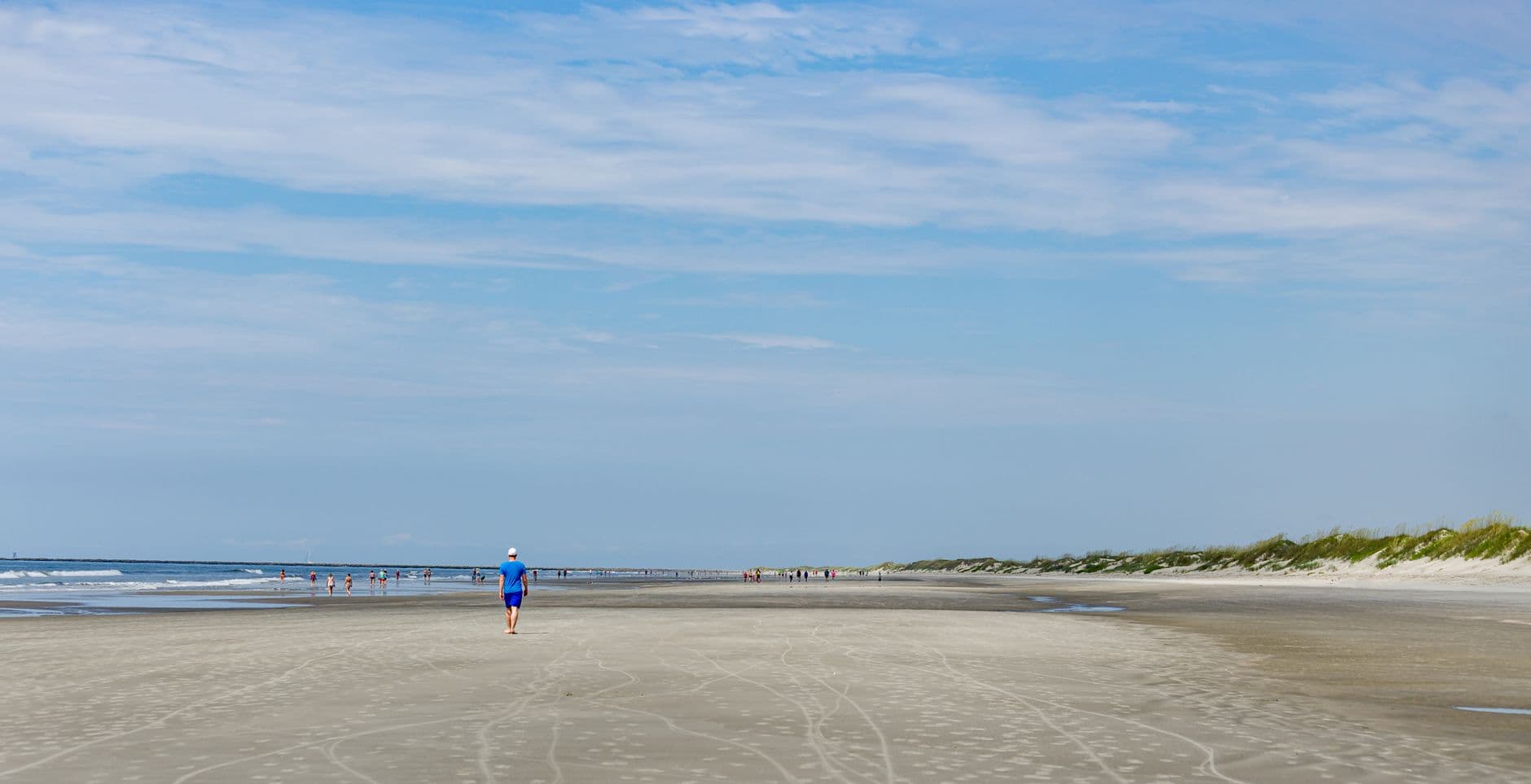
The barrier islands unspool south in a thin ribbon of sand and light, each stretch quieter and stranger than the last. This is a trip built for solitude — long stretches of empty beach, a 200-year-old lighthouse climb with your name on it, and enough fresh flounder to make eating alone feel like the whole point.

At a Glance

Climate & Weather
Expect 80–81°F with high humidity and strong sun — pack breathable fabrics, a wide-brim hat, reef-safe sunscreen, and a light rain shell for sudden coastal squalls. Mornings can carry a cool sea breeze even in July.
Getting Around
A car is essential for Nags Head and Hatteras (NC-12 is the only road, and it's slow and scenic — budget extra time). Ocracoke Island itself is walkable/bikeable once you're across on the ferry; reserve your ferry slot in advance during summer.
Budget
Budget roughly $70–110/day for a solo traveler covering casual seafood meals, lighthouse climb fees, and incidentals — Ocracoke runs slightly pricier given its remoteness.
Safety
Solo travelers are generally very safe here, but rip currents are real — always check flag conditions and ask lifeguards or locals before swimming, and never swim alone at dusk. Hurricane season overlaps with this trip window (Aug–Oct), so check forecasts a few days out. Wild ponies on Ocracoke look approachable but are unpredictable; keep 50+ feet of distance and never feed them.
Connectivity
Cell coverage is solid in Nags Head and Kill Devil Hills, patchier through Hatteras, and intermittent on Ocracoke — download offline maps before the ferry crossing. Most inns and cafes offer WiFi, but don't count on strong signal on the beach or lighthouse grounds.
Local Tips
Arrive at every major stop before 9am in summer — by mid-morning, parking lots and lighthouse lines swell fast. Restaurants here often close by 9–10pm, so don't plan a late dinner. Stock up on snacks and water before the Ocracoke ferry — options thin out fast once you're on island time.

Highlights

  • Climb the dune at Jockey's Ridge before the heat sets in
  • Stand where the Wright Brothers proved flight possible
  • Watch the Cape Hatteras Lighthouse pierce a storm-streaked sky
  • Catch the ferry to car-free, pony-roamed Ocracoke Island
  • Climb 200 years of spiral stairs at Ocracoke Lighthouse
  • Eat fresh-caught flounder at a counter where locals actually sit
  • Wake early enough to have entire beaches to yourself

Day-by-Day Plan

Arrival & Orientation

Day 1: Sand, Sky, and the Birthplace of Flight

A gentle first day covering roughly 2 miles on foot, centered entirely in the energetic Nags Head & Kill Devil Hills cluster.

Wear
Breathable shorts or sundress, closed-toe sandals for dune climbing, sun hat, and a light long-sleeve for wind protection near the water.
Budget
$60–85 (entry fees, lunch, dinner, incidentals)
7:30 AM - 9:00 AM
Wright Brothers NM · morning · 90 min · Nags Head & Kill Devil Hills

Arrive right at opening and the grounds are nearly empty — just you, the granite monument catching first light, and the wide Carolina sky pressing down on the flat field where two bicycle mechanics changed everything. Walk the flight path markers slowly; the silence here does more storytelling than any placard. By 9am tour buses start arriving, so this early window is the one to protect.

Wright Brothers NM
Tom Fournier / pexels (Pexels License)
Shoot the granite monument from the dune crest just after sunrise, when the light rakes low across the grass and the sky is still soft pink.
Fully paved, flat paths with frequent benches — one of the most accessible stops on this trip.
5 min walkA short stroll back from the monument, the crushed-shell path crunching underfoot
9:00 AM - 9:45 AM
Wright Brothers NM · midday · 45 min · Nags Head & Kill Devil Hills

Duck into the visitor center once the outdoor light flattens — the exhibits on the Wrights' obsessive trial-and-error process are worth lingering over, especially the reproduction glider hanging mid-flight indoors. It's air-conditioned, which by mid-morning in July is its own reward.

Wright Brothers NM
Tom Fournier / pexels (Pexels License)
The reproduction 1902 glider suspended indoors photographs well against the museum's dark walls — no flash needed.
Wheelchair accessible throughout, with ramps and wide doorways.
Dinner
Sam and Omie's Restaurant $$
Regional, Seafood · Near Nags Head & Kill Devil Hills cluster
A beloved local institution since 1937 — sit at the bar solo and you'll likely end up chatting with a fisherman or two over a basket of fried flounder.
Optional detour: Jockey's Ridge (informal add-on)After Wright Brothers NM visitor center and before dinner
The East Coast's tallest natural sand dune system sits minutes away and makes for an unforgettable sunset climb, with panoramic views over both the sound and ocean. Skip if: If the midday heat has sapped your energy, the sand climb is strenuous and shadeless — better saved for a cooler evening visit or skipped entirely on a light first day.
If it rains: The Wright Brothers visitor center is fully enclosed and can easily absorb 90+ minutes of exploration if rain moves in — the exhibits on the Wrights' engineering process hold up well as a rainy-day anchor.

The day begins gently, with the kind of quiet that only exists before a place fully wakes up. Arriving at Wright Brothers National Memorial just after sunrise means having the granite monument and windswept dune almost entirely to yourself — a rare, contemplative start before the tour buses roll in. The visitor center offers a cool, air-conditioned pivot once the sun climbs, its exhibits unpacking the Wrights' years of failure and iteration in a way that rewards unhurried reading.

With the morning's one substantial stop complete, the afternoon opens up — a deliberate low-key stretch to let jet lag or travel fatigue settle. This is the moment to wander Nags Head's beach at your own pace, feet in the surf, no itinerary pressing.

As the light softens, settle in at Sam and Omie's, where the bar seating makes solo dining easy and often social — locals and regulars tend to strike up conversation over a plate of fried flounder. Dinner wraps early here, true to island rhythm, leaving time for an unhurried walk back before the 9pm quiet sets in.

Windswept Solitude

Day 2: Where the Atlantic Turns Wild

A moderate day of roughly 3 miles walking, centered on the dramatic, less-crowded Cape Hatteras & Buxton cluster.

Wear
Sturdy sandals or water shoes for uneven sandy terrain, a windbreaker for the exposed cape, and sun protection — the wind here can mask how strong the sun actually is.
Budget
$50–75 (lunch, dinner, incidentals)
75 min driveA long, scenic haul south on NC-12 with the sound on one side and open ocean on the other — worth a coffee stop in Rodanthe or Avon en route to break up the drive
7:30 AM - 8:30 AM
Cape Hatteras NS · morning · 60 min · Cape Hatteras & Buxton

Arrive early and the point feels like the edge of the known world — just you, the roar of Atlantic swells slamming into the narrow spit, and the black-and-white spiral of the lighthouse rising against a sky still streaked with dawn color. This is Diamond Shoals, the so-called Graveyard of the Atlantic, and the wildness is palpable even in stillness. By late morning the parking area fills and the solitude evaporates.

Cape Hatteras NS
Robin Anderson / pexels (Pexels License)
Shoot the lighthouse from the point looking northeast, catching the swells breaking around Diamond Shoals — golden hour intensifies the black-and-white stripes dramatically.
Terrain here is uneven and sandy with no paved paths — those with mobility concerns may prefer viewing from the nearby parking overlook.
5 min walkA short walk along the shoreline path, sand shifting underfoot with each step
8:30 AM - 9:30 AM
Cape Hatteras NS · midday · 60 min · Cape Hatteras & Buxton

Linger a bit longer here for the Graveyard of the Atlantic context — the shipwreck history embedded in this stretch of coast adds real weight to the wind and waves. It's a good, quiet second pass before the sun climbs high and the light turns harsh and flat.

Cape Hatteras NS
Robin Anderson / pexels (Pexels License)
Midday light is harsh here — better to use this window for wide landscape shots of the dunes and grasses rather than lighthouse close-ups.
Sparse benches; bring water and expect to stand or sit on sand.
Lunch
Sugar Creek Restaurant $$
Seafood · Near Cape Hatteras & Buxton cluster
A sound-side spot with big windows and an easy, unhurried pace — good for a solo lunch with a view over the water.
Dune Burger $
Burger · Near Cape Hatteras & Buxton cluster
A casual counter-service break from seafood — quick, cheap, and reliable if you want something familiar mid-trip.
Dinner
Sugar Creek Restaurant $$
Seafood · Near Cape Hatteras & Buxton cluster
Return for dinner if lunch impressed — sunset over the sound from the dining room is worth the repeat visit.
Fat Boyz $
Ice cream, Sandwich · Near Cape Hatteras & Buxton cluster
A low-key, easy dinner option if you want something light after a long day in the wind and sun.
Optional detour: Graveyard of the Atlantic MuseumAfter Cape Hatteras NS midday visit and before lunch
Deepens the shipwreck history glimpsed at the point, especially valuable if weather cuts outdoor time short. Skip if: Skip if you're museum-fatigued from Day 1 or prefer to maximize beach and dune time in the good weather.
If it rains: If storms roll through, the Graveyard of the Atlantic Museum near the lighthouse offers sheltered maritime history and context for the shipwreck coast outside — a fitting rainy-day substitute for outdoor cape exploration.

The drive south along NC-12 is itself part of the day's rhythm — sound on one side, ocean on the other, the road narrowing as civilization thins out. Arriving at Cape Hatteras National Seashore early rewards you with a nearly private encounter with one of the most dramatic stretches of coast in the country: the lighthouse rising over crashing Atlantic swells, the wind constant and bracing.

After a slower second pass through the Cape's shipwreck history, the afternoon eases into recovery mode — lunch at Sugar Creek's sound-side windows offers a calm, scenic reset before the wind and sun of the morning. The rest of the afternoon stays intentionally open, whether that means beach time or simply resting before dinner.

Dinner options cluster easily near the Cape — Sugar Creek again for a sunset repeat, or Fat Boyz for something lighter and quicker. Either way, the island's early rhythm means winding down well before 9pm, the wind outside finally settling as the sky darkens over the shoals.

Remote Escape

Day 3: Ferry Light and Wild Ponies

A full but unhurried day of roughly 2.5 miles walking, spent entirely on car-free Ocracoke Island after a scenic ferry crossing.

Wear
Comfortable walking shoes for cobblestone-adjacent village paths and lighthouse stairs, a light jacket for the ferry's open-air deck, and swimwear if beach time appeals.
Budget
$60–100 (ferry, lighthouse climb, lunch, dinner)
150 min ferryA long, meditative crossing from Cedar Island — bring a book or just watch the horizon flatten into open water, dolphins occasionally surfacing alongside the boat
9:00 AM - 10:00 AM
Ocracoke Island (ponies, lighthouse) · morning · 60 min · Ocracoke Island

Step off the ferry into a place that feels genuinely apart — no chain stores, no traffic lights, just sandy lanes and salt air. Head toward the marshland edges first, where the wild ponies graze in loose bands; keep your distance and let them move at their own pace. Early arrival means fewer visitors competing for pony-spotting and quieter lanes through the maritime forest.

Ocracoke Island (ponies, lighthouse)
Dottie Di Liddo / pexels (Pexels License)
Photograph the ponies from a distance with a zoom lens in the soft morning light, when they're most active and the marsh grass glows gold.
Uneven, unpaved terrain around pony viewing areas; no dedicated accessible path.
10 min walkA short walk through sandy village lanes shaded by live oaks, the lighthouse gradually coming into view
10:15 AM - 11:00 AM
Ocracoke Lighthouse · midday · 45 min · Ocracoke Island

Climb the spiral stairs worn smooth by 200 years of keepers, iron railings rattling faintly in the wind, until the horizon opens in a full 360-degree sweep of sound and sea. It's one of the most rewarding solo climbs on the whole trip — quiet, physical, and rich with the sense of standing somewhere genuinely remote. Arrive before 11am; the narrow stairwell gets crowded fast once tour groups disembark from later ferries.

Ocracoke Lighthouse
Photo by Mark Stebnicki on Pexels
The gallery deck facing southwest is the money shot at golden hour, but even midday offers striking ground-level shots framing the full tower against blue sky.
Stairs only — not wheelchair accessible; ground-level viewing is the alternative for those unable to climb.
Optional detour: Ocracoke Village shops and boardwalkAfter Ocracoke Lighthouse and before the return ferry
A relaxed wander through the bohemian village center rounds out the island's character with local art, books, and quiet cafes. Skip if: Skip if you'd rather maximize beach time before the ferry departure — the village can feel repetitive after the lighthouse and ponies.
If it rains: If rain or lightning closes the lighthouse tower, the keeper's cottage museum at its base offers sheltered history, and pony-spotting remains viable even in light rain — just keep extra distance on slick terrain.

The ferry crossing itself sets the tone for the day — a long, unhurried drift across open water that strips away the mainland's noise well before the boat even docks. Stepping onto Ocracoke feels like arriving somewhere genuinely apart, and the wild ponies grazing in the marsh grass beyond the village make for a quiet, memorable first encounter with the island's timeless character.

The lighthouse climb anchors the midday hours — physical, meditative, and rewarding in a way few stops on this trip match. Afterward, the pace loosens considerably; with no set agenda, the rest of the afternoon can drift toward the village's sandy lanes, a quiet beach stretch, or simply sitting somewhere shaded and watching the light change over the sound.

As the day winds down, Ocracoke's unhurried rhythm asserts itself fully — expect an early, easy dinner and a return ferry that turns the day's final hour into one more slow, reflective crossing, the island's silhouette shrinking behind the wake as the light fades.

Want to tweak this trip?

Our AI planner can customize this itinerary to your exact dates, interests, and travel style.

Customize This Itinerary
Good to Know

Restaurant details (hours, menus, availability) change frequently. Check current hours before visiting, especially in seasonal destinations.

Dietary compatibility tags are general guidance. If you have severe allergies, confirm directly with the restaurant.

Travel tips are general guidance, not professional safety advice. Check government advisories for latest information.

All prices are approximate and may vary seasonally.

We use cookies to improve your experience and analyze site usage. Essential cookies are always active. You can customize your preferences or accept all cookies. Cookie Policy