Outer Banks (Nags Head, Ocracoke, Hatteras), North Carolina
5-Day Itinerary for Active Retirees
“Wind, Wings & Wild Ponies: 5 Days Along the Outer Banks”
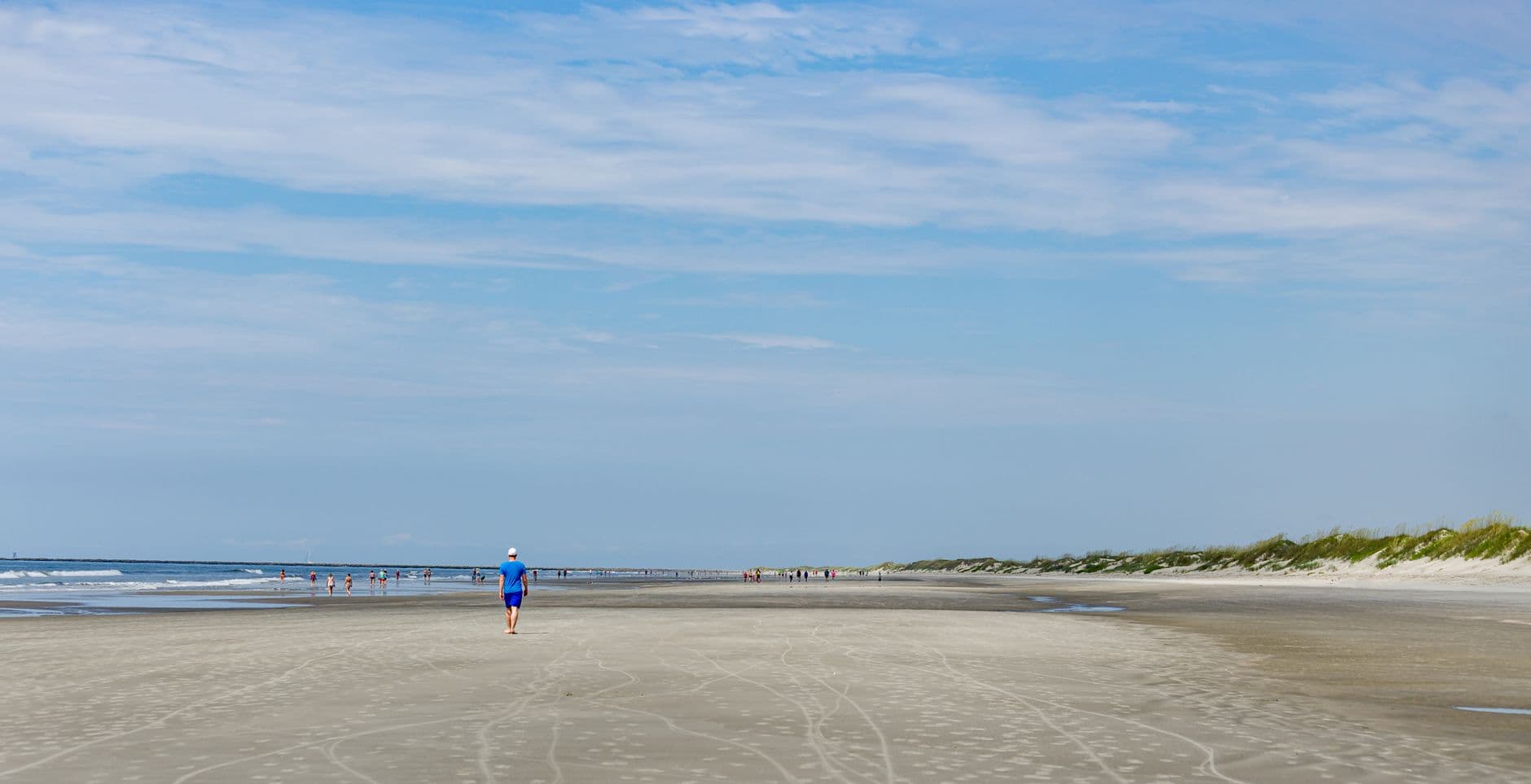
Salt air settles into your shoulders here, slow and certain, the way tide settles into sand. Across five unhurried days, the Outer Banks unspools from the bustling dunes of Nags Head to the windswept solitude of Cape Hatteras and finally to Ocracoke, an island so remote it feels like a secret the Atlantic decided to keep.
At a Glance
Highlights
- Standing where the Wright Brothers first left the ground at Kill Devil Hills
- Climbing the dune crest at golden hour with the sound and sea both visible
- The long, rugged hush of Cape Hatteras National Seashore
- A ferry crossing to car-free Ocracoke Island
- Wild ponies grazing beneath the candy-striped Ocracoke Lighthouse
- Fresh flounder and hush puppies at unpretentious dockside tables
- Sunset over Pamlico Sound from a quiet village bench
Day-by-Day Plan
Day 1: First Light and First Flight
A gentle arrival day centered on Nags Head's flattest, most accessible landmarks, with roughly 1.5 miles of easy walking.
Arrive by 8am and the grounds are nearly empty, just salt-laden wind and the soft crunch of sand beneath the granite monument. This is where two bicycle mechanics proved humans could fly, and the flat, well-paved paths make it an easy, unhurried morning of quiet awe rather than a hike.

The day begins gently, with the Wright Brothers National Memorial offering a soft landing into the trip's rhythm. Early light slants across the granite monument, the wind carries a faint tang of salt, and the paved paths mean there's no rush and no strain — just the quiet thrill of standing where flight began.
The afternoon is left open for settling in — unpacking, a slow walk along the shoreline near your lodging, or simply resting in the shade with the sound of gulls overhead. This is the trip's softest day, designed to let travel fatigue melt away before the more active days ahead.
As the light lowers, take an easy stroll toward the beach to watch the sky change color over the Atlantic. Dinner can be kept simple and local — ask your lodging host for a nearby seafood spot, and turn in early to be ready for tomorrow's dune climb.
Day 2: Dunes, Sky, and Salt Wind
A relaxed second day exploring Nags Head's dramatic dune landscape and shoreline, with under 2 miles of walking across soft sand and boardwalk.
A second, quieter pass through the memorial grounds rewards an early riser — by 7:30am the paths are nearly empty, the flag snapping in the breeze, and the First Flight boulder marker catches soft morning light. For those who love a slower, more contemplative return visit, this is the calmest version of the site you'll see all trip.
The morning returns to the Wright Brothers grounds at their most peaceful hour, before the tour buses arrive. The dune-top monument catches long shadows, gulls wheel overhead, and the pace stays unhurried — a chance to notice details missed the day before.
With the morning's activity complete, the afternoon opens up for beach time or quiet rest near Nags Head — a good moment to pack and prepare for tomorrow's drive south toward the wilder, quieter stretches of Cape Hatteras. Keep the pace easy; tomorrow's roads are longer.
An early, relaxed dinner near your lodging sets a calm tone before an early night. Longer travel awaits tomorrow, so let this evening wind down without rush — the sound of waves is the only agenda.
Day 3: Where the Atlantic Turns Wild
A dramatic, windswept day at Cape Hatteras National Seashore with under 1 mile of walking on uneven, sandy terrain.
Arrive by 8:30am to have the point nearly to yourself, the roar of Atlantic swells crashing against the narrow spit and the black-and-white lighthouse standing sentinel against the sky. The terrain is uneven and the energy here is more elemental than manicured, but benches near the visitor area allow rest between short walks.

The morning belongs to the wild edge of the seashore, where wind and water dominate every sense. The lighthouse rises in dramatic contrast against the sky, and the roar of the surf makes conversation quiet and thoughtful rather than easy — a landscape that asks you to simply take it in.
After a long, satisfying seafood lunch at one of the area's local favorites, the afternoon shifts to rest — the heat peaks here in summer, and a shaded porch or air-conditioned break is well earned before evening.
Dinner stays simple and unhurried, whether a casual burger or a quieter seafood plate, with the day's dramatic scenery still settling in memory. An early night helps prepare for tomorrow's ferry crossing to Ocracoke.
Day 4: Crossing to the Edge of the World
A scenic ferry crossing followed by an easy, low-impact exploration of Ocracoke's lighthouse and pony-dotted landscape, with under 1.5 miles of walking.
After the ferry's slow, rhythmic crossing, the island reveals itself quietly — salt-tanged air, wooden boardwalks creaking underfoot, and glimpses of wild manes tossing in the coastal wind across distant marsh grass. This low-energy stop is ideal for savoring the island's timeless, unhurried mood without exertion.

By mid-afternoon the crowds thin and the light softens, ideal for a quiet, unhurried look at America's most remote active lighthouse. The keeper's cottage and tower exterior make for a rich photographic and historical stop even without climbing the stairs.

The morning is given over entirely to the ferry crossing, a slow and soothing transition from the mainland pace of the Outer Banks to Ocracoke's timeless isolation. Watch the wake, the gulls, and the horizon — there's nowhere to be but exactly here.
Once ashore, the afternoon unfolds gently between the island's iconic lighthouse and its wild, pony-dotted marshes. The pace stays deliberately slow, with boardwalks and flat village paths keeping the walking easy and the mood reflective.
As the light softens toward evening, settle into the village's unhurried rhythm — a bench near the harbor, the sound of halyards clinking against masts, and the sense of having arrived somewhere genuinely apart from the mainland's bustle. Plan meals around the village's small offerings rather than a fixed plan, and turn in early after a full day of travel and discovery.
Day 5: Ponies, Light, and a Slow Goodbye
A gentle final day revisiting Ocracoke's lighthouse and pony landscape at golden morning light, with under 1 mile of easy walking before departure.
Arrive by 7:30am and the village is hushed, the ponies often visible grazing in the low morning light before the day's visitors arrive. This final, quiet look at the island's marshes and boardwalks offers a peaceful send-off, the wooden stairs creaking softly underfoot as the Pamlico Sound catches the first full light.
The final morning is unhurried and reflective, a last quiet walk among Ocracoke's wild ponies and weathered boardwalks before the ferry pulls travelers back toward the mainland. The light is soft, the crowds absent, and the island feels, for a little while longer, entirely your own.
With the morning's gentle farewell complete, the afternoon is reserved for the ferry crossing and onward travel, allowing plenty of time to reflect on five unhurried days of dunes, lighthouses, and wide Atlantic horizons.
As the journey concludes, the memory that lingers is less any single sight than the pace itself — wind, tide, and light moving at their own patient rhythm, exactly as the Outer Banks intended.
Want to tweak this trip?
Our AI planner can customize this itinerary to your exact dates, interests, and travel style.
Customize This ItineraryRestaurant details (hours, menus, availability) change frequently. Check current hours before visiting, especially in seasonal destinations.
Dietary compatibility tags are general guidance. If you have severe allergies, confirm directly with the restaurant.
Travel tips are general guidance, not professional safety advice. Check government advisories for latest information.
All prices are approximate and may vary seasonally.
Attractions in This Itinerary
More Itineraries for Outer Banks (Nags Head, Ocracoke, Hatteras)
Explore North Carolina